Explore Cyprus with Our Interactive Map

Explore our top stories and discover ideas worth your time.

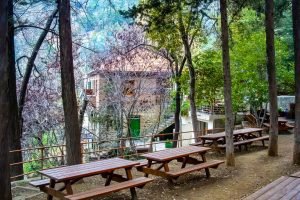
Paphos Forest Nature Reserve – Endemic Wildlife

Paphos Forest Nature Reserve – Endemic Wildlife

Paphos Forest Nature Reserve stands as one of the largest and most ecologically significant protected areas in Cyprus. Spanning approximately 620 square kilometers across the northwestern Troodos Mountains, this vast wilderness represents the island's most extensive continuous forest ecosystem. wikipedia-org The reserve gained official protected status through a series of conservation measures beginning in 1938, when the government recognized the urgent need to preserve the habitat of the endangered Cyprus mouflon. Today, the forest functions as a critical biodiversity hotspot, home to dozens of endemic species found nowhere else on Earth. The landscape ranges from dense pine forests and ancient cedar groves to golden oak woodlands and riparian vegetation along mountain streams. This diversity of habitats supports an exceptional variety of wildlife, from large mammals to rare insects, making it an essential sanctuary for Mediterranean biodiversity. Historical Background The history of Paphos Forest as a protected area began with a crisis. By the early 20th century, the Cyprus mouflon population had collapsed to approximately 25 individuals due to relentless hunting. The animals faced imminent extinction. In response, the British colonial administration declared the entire Paphos Forest a permanent game preserve on November 4, 1938. This unprecedented action protected not only government land but also private properties within the forest boundaries and holdings of the Kykkos Monastery. The decision proved controversial,…

Read more
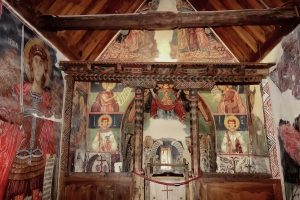
Archangelos Michael Church Pedoulas Byzantine Art

Archangelos Michael Church Pedoulas Byzantine Art

Historical Background and Regional Setting The Church of Archangelos Michael stands in the mountain village of Pedoulas in the Troodos region of Cyprus and forms part of the UNESCO World Heritage group known as the Painted Churches of the Troodos Region. Dated to 1474 by an inscription inside the building, the church belongs to the late Byzantine period, a time when Cyprus had passed through political change yet retained strong Orthodox artistic traditions. Unlike earlier monuments that reflect close ties to Constantinopolitan styles, this church is celebrated for its vivid and more rustic wall paintings, which represent a local interpretation of Byzantine artistic language. The monument therefore offers valuable insight into how artistic traditions continued to evolve in rural settings during the later medieval centuries. sobory-ru Pedoulas was a small mountain community where agriculture and local craftsmanship shaped daily life. In such villages, churches were central to communal identity, serving as places of worship, gathering, and cultural continuity. The Church of Archangelos Michael emerged within this context as both a spiritual center and a statement of local devotion. Its modest scale and materials reflect the resources of a rural population, yet its decoration demonstrates that even remote communities participated actively in the visual culture of the Orthodox world. The church preserves a moment when Byzantine art had become more regional…

Read more
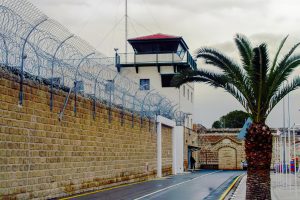
Nicosia Central Prison Symbol of Colonial Rule

Nicosia Central Prison Symbol of Colonial Rule

Nicosia Central Prison stands as a poignant symbol of Cyprus's colonial past and the island's struggle for independence, evolving from a British-built facility for maintaining order to a site of resistance and remembrance. Constructed in the late 19th century under British rule, this prison in the heart of Nicosia served as the primary detention center for criminals, dissidents, and political prisoners, reflecting the empire's efforts to control a strategically vital Mediterranean outpost. Later, during the mid-20th century Cyprus Emergency, it became synonymous with the anti-colonial fight led by EOKA fighters, who faced imprisonment, torture, and execution within its walls. As the only operational prison in the Republic of Cyprus today, parts of it have been preserved as a museum honoring those who resisted British authority, highlighting themes of repression, resilience, and national identity. This institution underscores Cyprus's complex history, where colonial architecture and punitive systems intersected with the rise of nationalism, shaping the island's path to sovereignty and continuing to evoke reflections on justice and memory in a divided nation. coe-int A Key Colonial Institution Nicosia Central Prison, nestled in the capital's urban fabric, emerged as a cornerstone of British colonial governance, designed to enforce law and order while suppressing dissent in a territory acquired from the Ottoman Empire in 1878. Spanning several hectares with fortified walls and watchtowers, the…

Read more