Local ingredients and farming

Articles: Local ingredients and farming

Stories in this category and its subcategories.

Cyprus Farming Rhythms and Seasonal Traditions

Cyprus Farming Rhythms and Seasonal Traditions

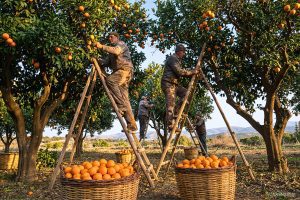
Cyprus agriculture follows ancient patterns shaped by Mediterranean climate and generations of farming wisdom. The island produces diverse crops throughout the year, from citrus fruits and potatoes to grapes and olives. Over 320 sunny days annually create ideal conditions for cultivation, though water scarcity challenges farmers who consume 70% of the island's resources for irrigation. nano-banana Small family farms dominate the landscape despite modernization. Agriculture contributes roughly 2% to GDP while employing 7% of the workforce. The sector supports rural communities and preserves village life across mountainous terrain. Traditional methods blend with contemporary techniques as Cyprus maintains its reputation for quality Mediterranean produce. Ancient Roots Shape Modern Agriculture Farming traditions in Cyprus stretch back to the 2nd millennium BC, with…

Read more
Carob Trees Cyprus Black Gold Tradition

Carob Trees Cyprus Black Gold Tradition

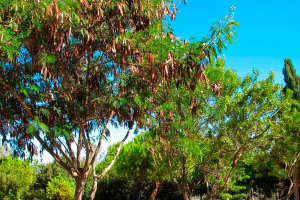
For centuries, the carob tree quietly underpinned life in Cyprus. Long before sugar, tourism, or modern industry reshaped the island, carob sustained rural families economically, nutritionally, and socially. Known locally as “black gold,” it was never glamorous, but it was dependable. In a land shaped by drought, invasion, and uncertainty, the carob tree endured, feeding people, funding villages, and anchoring tradition in the Cypriot landscape. A Tree Built for Hard Conditions The carob tree, Ceratonia siliqua, is perfectly adapted to Cyprus’s dry Mediterranean climate. Its deep roots draw moisture from far below the surface, allowing it to survive long summers without irrigation. Thick, leathery leaves reduce water loss, and slow growth produces a tree that can live for centuries. This…

Read more
Cyprus Honey

Cyprus Honey

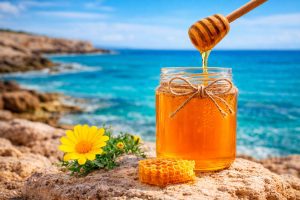
Honey in Cyprus is not simply a food product. It reflects landscape, climate, and survival shaped over centuries. Produced mainly in mountain and rural areas, Cypriot honey carries the character of wild thyme, pine forests, citrus groves, and seasonal movement across the island. Long before sugar became common, honey served as the primary sweetener, a form of medicine, and a symbol of hospitality. Its role has never disappeared. Instead, it has evolved alongside changing lifestyles and technologies. thegreekvibe-com An Island That Shapes Its Honey Cyprus’s geography plays a decisive role in how honey is produced. Two mountain ranges, varied elevations, and sharply contrasting microclimates allow flowering to unfold in stages rather than all at once. Coastal plains warm early in…

Read more
Olive Cultivation and Oil Production Cyprus

Olive Cultivation and Oil Production Cyprus

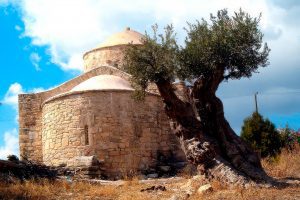
Olive trees shape Cyprus in ways that go far beyond agriculture. They define rural landscapes, anchor village life, and sit quietly at the centre of everyday cooking, ritual, and memory. From ancient stone presses to modern organic mills, olive cultivation on the island reflects continuity rather than reinvention. This is not a story of industrial scale, but of endurance. To understand Cyprus is to understand how olives are grown, harvested, pressed, and woven into daily life, generation after generation. sustainablefoodtrust.org2 More Than Agriculture: The Olive as a Way of Life Across Cyprus, olive trees are not confined to large estates or monoculture farms. They appear along field boundaries, beside houses, in courtyards, and on shared village land. Many families harvest…

Read more