For centuries, the carob tree quietly underpinned life in Cyprus. Long before sugar, tourism, or modern industry reshaped the island, carob sustained rural families economically, nutritionally, and socially. Known locally as “black gold,” it was never glamorous, but it was dependable. In a land shaped by drought, invasion, and uncertainty, the carob tree endured, feeding people, funding villages, and anchoring tradition in the Cypriot landscape.
A Tree Built for Hard Conditions
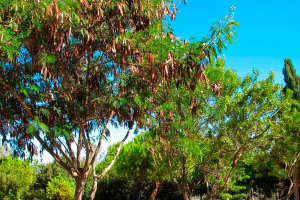
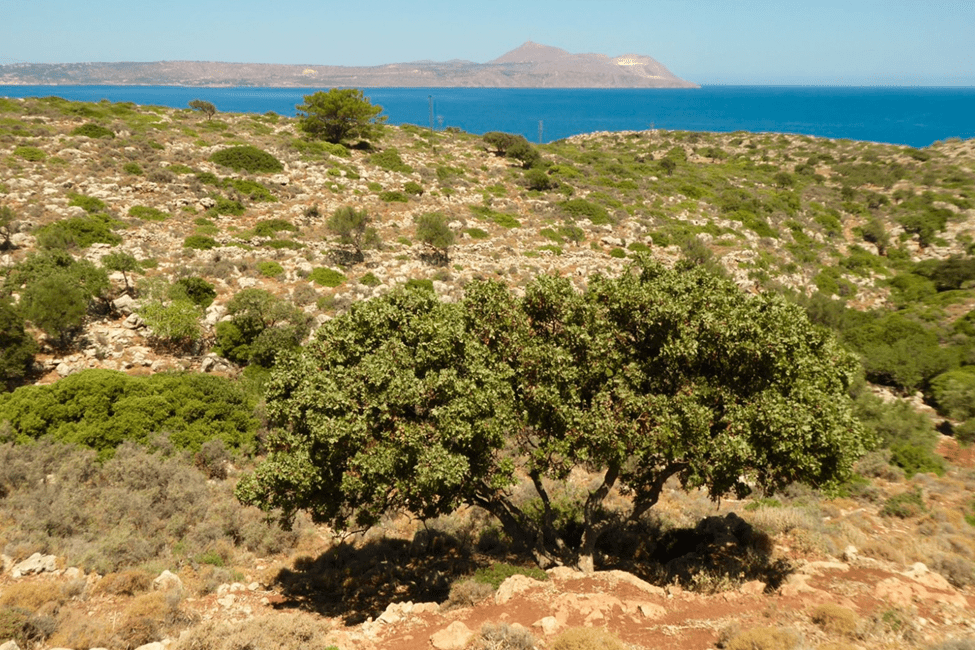
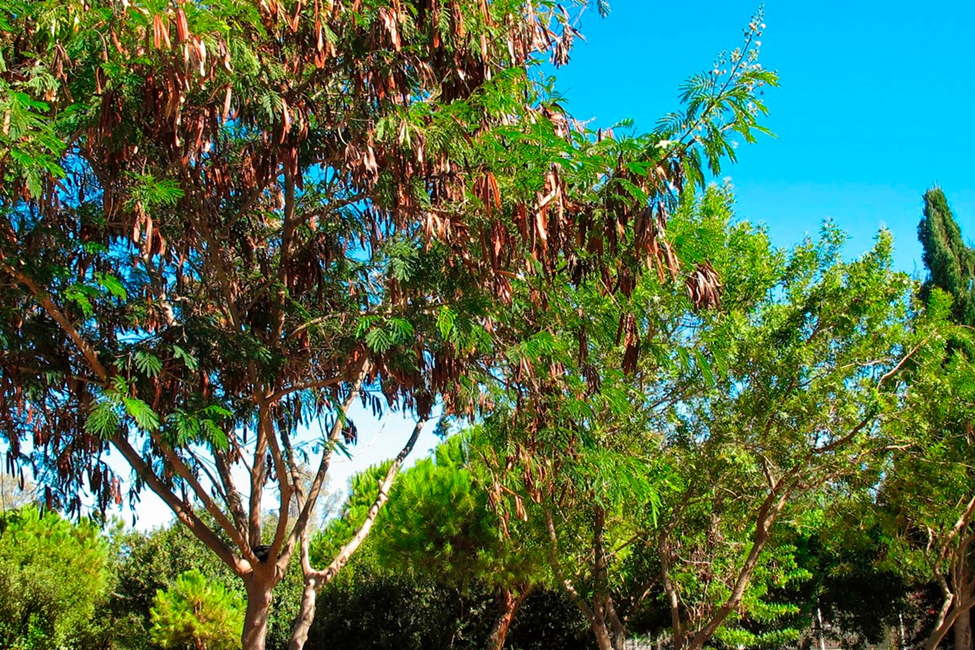
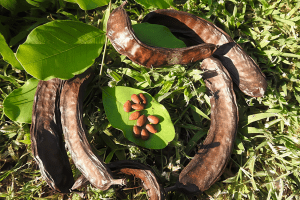
The carob tree, Ceratonia siliqua, is perfectly adapted to Cyprus’s dry Mediterranean climate. Its deep roots draw moisture from far below the surface, allowing it to survive long summers without irrigation. Thick, leathery leaves reduce water loss, and slow growth produces a tree that can live for centuries.
This resilience explains why carobs thrived where other crops failed. On rocky slopes and marginal land unsuitable for cereals, carob trees continued to produce reliable harvests. For rural communities, they were less a crop and more a form of insurance, offering stability in an unpredictable environment.
Why It Was Called “Black Gold”
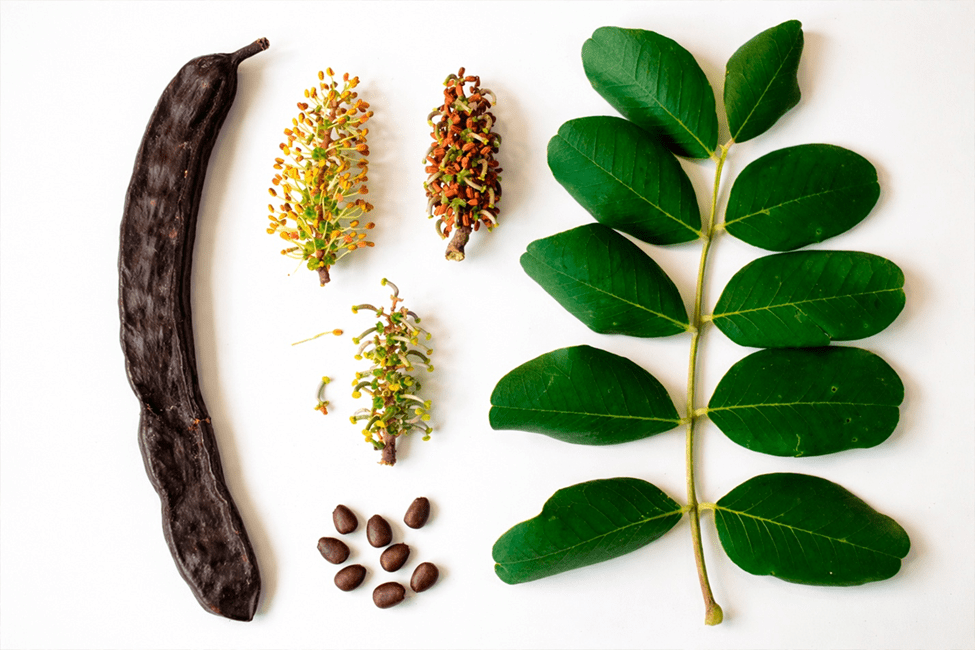
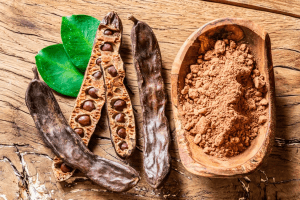
The name “black gold” was not a poetic exaggeration. Ripe carob pods darken to a deep brown, almost black, and for generations, they ranked among Cyprus’s most valuable exports. Even in years when wheat failed or rainfall was scarce, carob trees continued to bear fruit.
For many families, a carob tree functioned like a savings account. The harvest paid debts, financed weddings, supported schooling, and carried households through difficult years. Economically, carobs often outperformed olives and wine, forming the backbone of rural income well into the twentieth century.
From Antiquity to Empire
Carobs have been cultivated in Cyprus since antiquity, with evidence of their use during the Roman and Byzantine periods. Over time, their importance only grew as societies recognised their economic and nutritional value.
Under Ottoman rule, carobs were formally taxed and regulated, signalling their significance within the agrarian economy. A unique legal incentive encouraged expansion: anyone who grafted a wild carob tree gained rights to its produce, even without owning the land. This policy led to widespread cultivation across hillsides and commons, a pattern still visible in the modern landscape.
The British colonial period marked the peak of the carob trade. Coastal warehouses rose in ports such as Limassol and Kyrenia, built specifically to store vast quantities of pods awaiting export. At its height, Cyprus shipped tens of thousands of tons annually, primarily to Britain, where carobs were used as animal feed and industrial raw material.
Harvest as a Way of Life
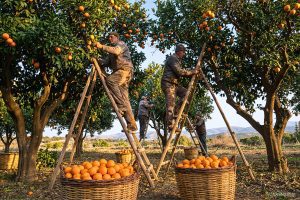
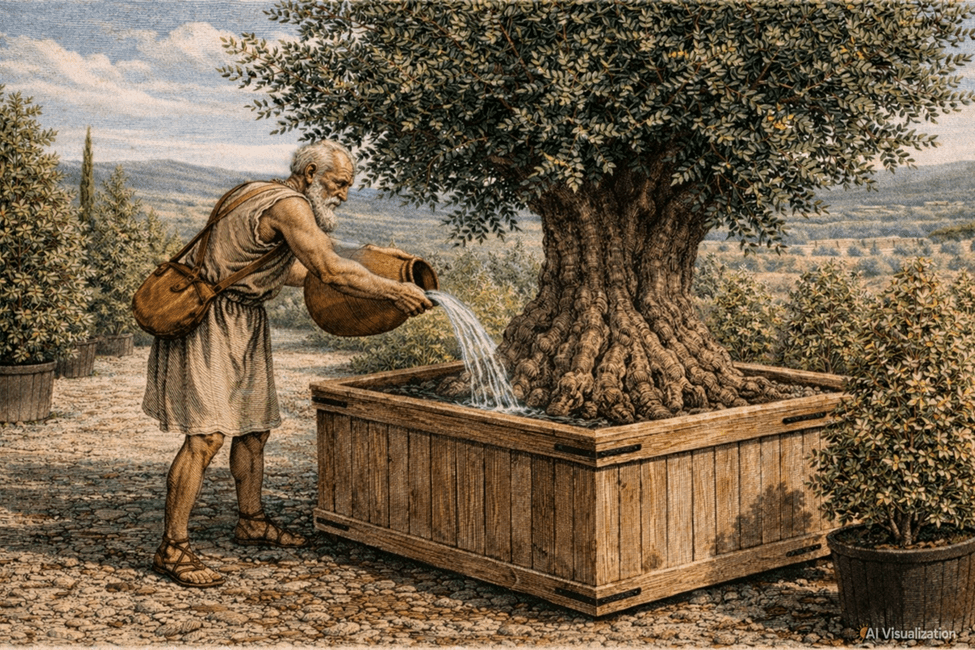
The carob harvest, known locally as vaklisma, took place in late summer and early autumn. It was physically demanding and deeply communal, drawing entire families into the fields. Cloths were spread beneath trees while long wooden poles knocked ripe pods from the branches, creating a rhythmic, collective labour that defined seasonal life.
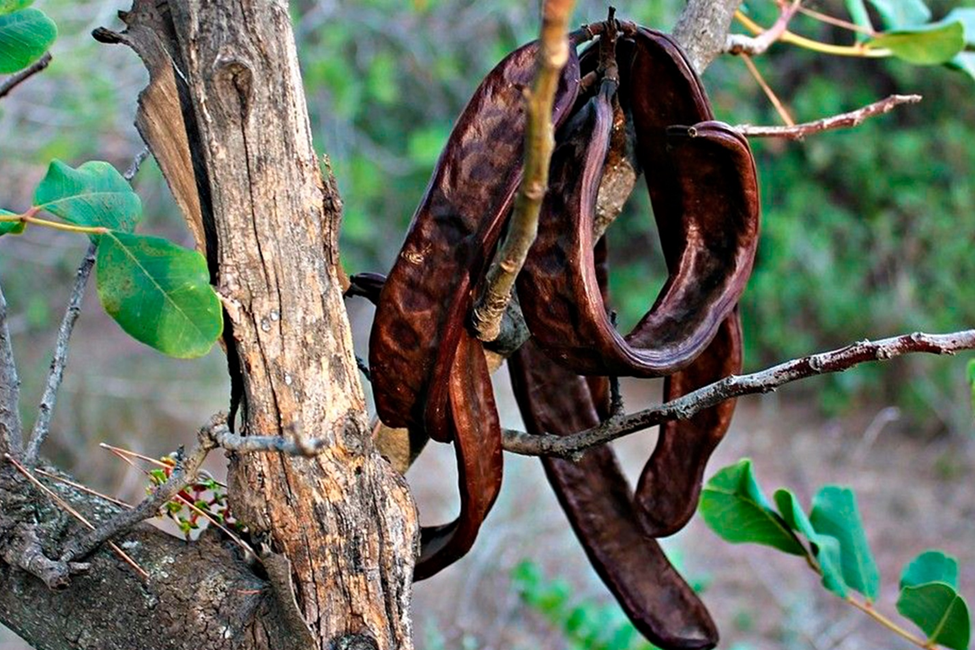
Timing mattered. Carob trees flower at the same time the pods ripen, meaning careless harvesting could damage the next year’s crop. This delicate balance gave rise to a well-known saying that the carob tree “holds a child in its arms and another in its belly,” capturing the tension between present harvest and future yield.
Harvesting was work, but it was also social life. Entire villages participated, sharing food, labour, and income in a cycle repeated year after year.
Sweetness Before Sugar
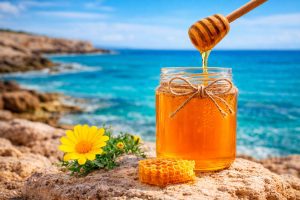
Before refined sugar became common, carob syrup, known as haroupomelo, was Cyprus’s primary sweetener. Made by soaking crushed pods and boiling the liquid into a thick molasses, it flavoured everyday cooking and helped preserve foods.
In the village of Anogyra, artisans developed a distinctive tradition of making carob pasteli. The syrup was boiled for hours, then repeatedly pulled and folded by hand until it transformed from dark syrup into a luminous golden confection. The result carried both sweetness and craftsmanship, reflecting generations of accumulated skill.
Beyond sweets, carob syrup flavoured breads, pastries, and simple pasta dishes provided calories when food options were limited, and diets were constrained by geography and income.
Survival in Times of Crisis
Carob’s importance was never clearer than during periods of hardship. During World War II, when food shortages spread across the Eastern Mediterranean, carob became a substitute for chocolate and a vital energy source. Families stretched limited supplies by mixing carob flour with wheat or eating pods directly.
In 1974, as thousands of people fled their homes during the invasion of Cyprus, carob trees again became lifelines. Oral histories describe refugees surviving for days on carob pods gathered along escape routes. In moments when systems collapsed, the trees remained, providing nourishment and continuity.
More Than Food
The value of carob extended beyond the kitchen. Its seeds were historically believed to be uniform in weight, giving rise to the word “carat,” still used today to measure gemstones. In modern industry, the seeds produce locust bean gum, a stabiliser used globally in foods, cosmetics, and pharmaceuticals.
Animal husbandry also depended on carobs. High in natural sugars, the pods were prized as livestock feed, indirectly supporting dairy production and cheese making across the island.
Decline and Rediscovery
By the late twentieth century, carob cultivation declined sharply. Sugar replaced syrup, tourism overtook agriculture, and labour-intensive harvesting became uneconomical. Many trees were cleared to make way for development, and traditional practices faded from daily life.
In recent years, interest has returned. Global demand for natural, caffeine-free alternatives to cocoa has brought carob back into focus. Cypriot producers now create syrups, powders, cosmetics, and distilled spirits aimed at premium markets, while scientific research highlights carob’s nutritional and antioxidant properties, validating what rural communities long understood.
Why Carob Still Matters
Carob trees are not relics. They are living records of how Cypriots adapted to uncertainty through patience and continuity. They fed people when harvests failed, funded villages when money was scarce, and offered shade, sweetness, and stability across generations.
Today, as Cyprus redefines its relationship with land and heritage, the carob tree stands as a reminder that survival does not always come from abundance. Sometimes it comes from resilience, rooted deep, waiting quietly, and producing when it matters most. That is why carob remains Cyprus’s black gold, not because it shines, but because it endured.