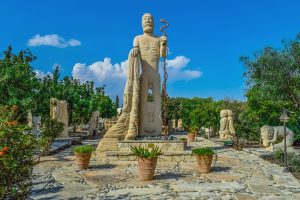
Long before temples, columns, and formal priesthoods defined religious architecture, worship in Cyprus often unfolded in open landscapes shaped by repetition rather than monumentality. The Ayia Irini Sanctuary, once located in the rural northwest of the island near Cape Kormakitis, was one such place. Here, generations of ordinary people left terracotta figures around a simple altar, gradually forming a permanent gathering of votive statues facing the divine. Though the site itself is now quiet and largely unmarked, Ayia Irini remains one of the clearest windows into how faith, identity, and daily life intertwined in ancient Cyprus.
A Sacred Place Without a Monument
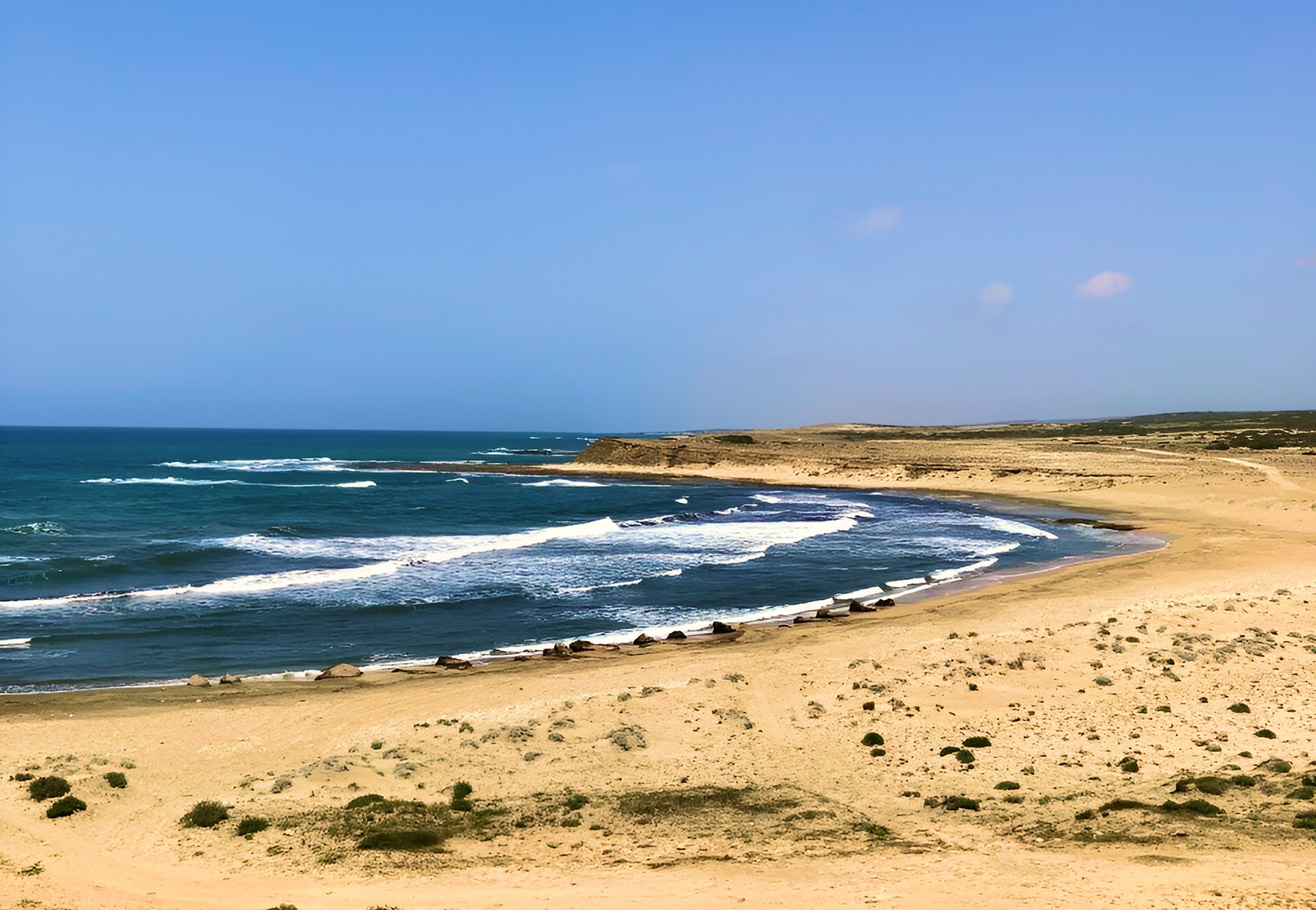
Ayia Irini was not built to impress. It lacked the architectural grandeur of later urban temples and stood far from the political centres of ancient Cyprus. Instead, it occupied agricultural land surrounded by low hills, serving nearby rural communities rather than elites.
This setting was not accidental. The sanctuary functioned as a place of return rather than spectacle. Worshippers came repeatedly, often across generations, adding offerings over time rather than participating in singular ceremonial events. The result was a sacred space shaped by use, memory, and accumulation rather than design.
At its heart stood a simple open-air altar. Around it, the sanctuary grew slowly, defined less by walls than by presence.
The Stone Figures Were Not Art
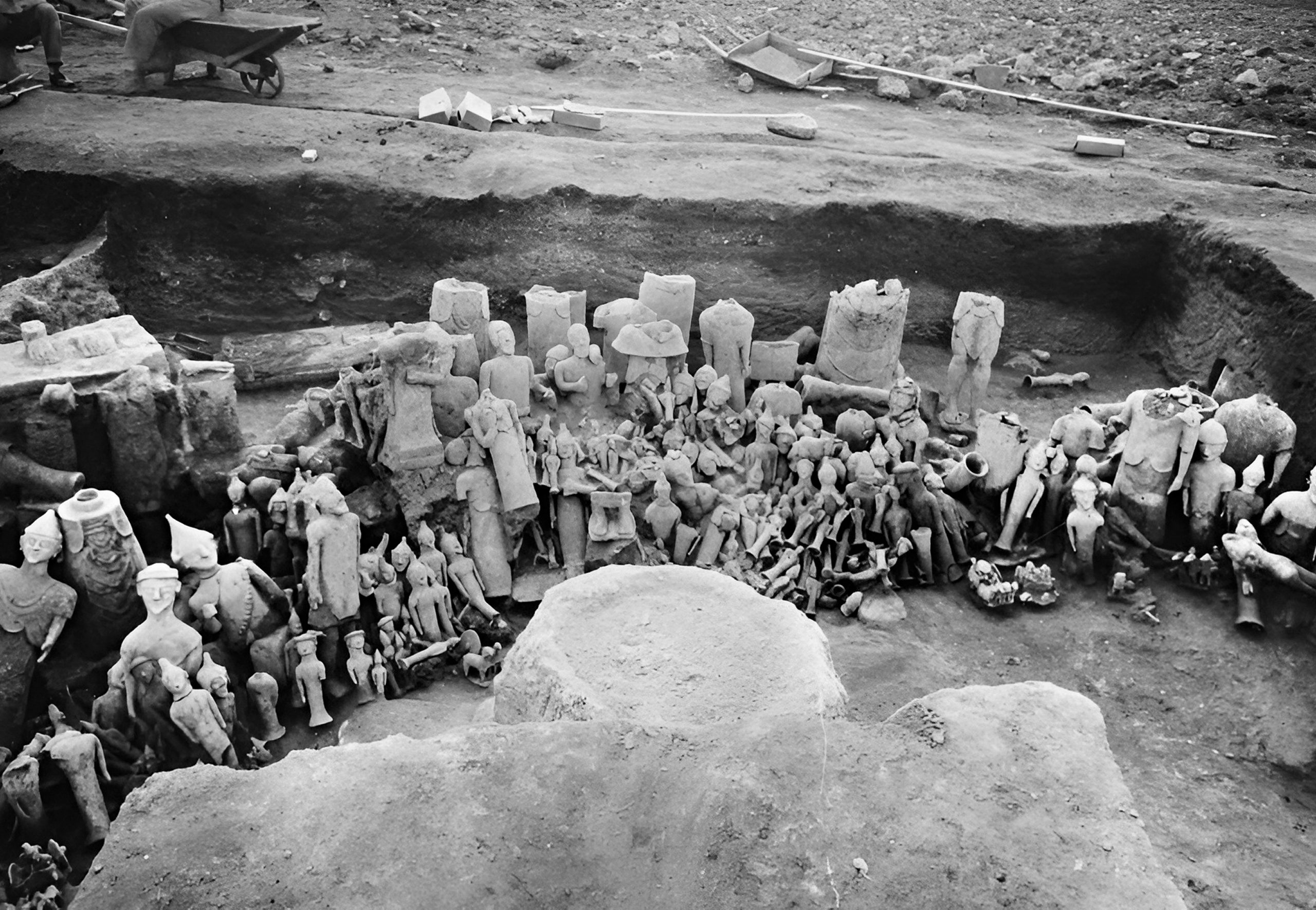
What makes Ayia Irini extraordinary is not its layout, but what once stood within it. Archaeological excavations revealed hundreds of limestone statues arranged around the altar, forming what has often been described as a congregation frozen in stone.
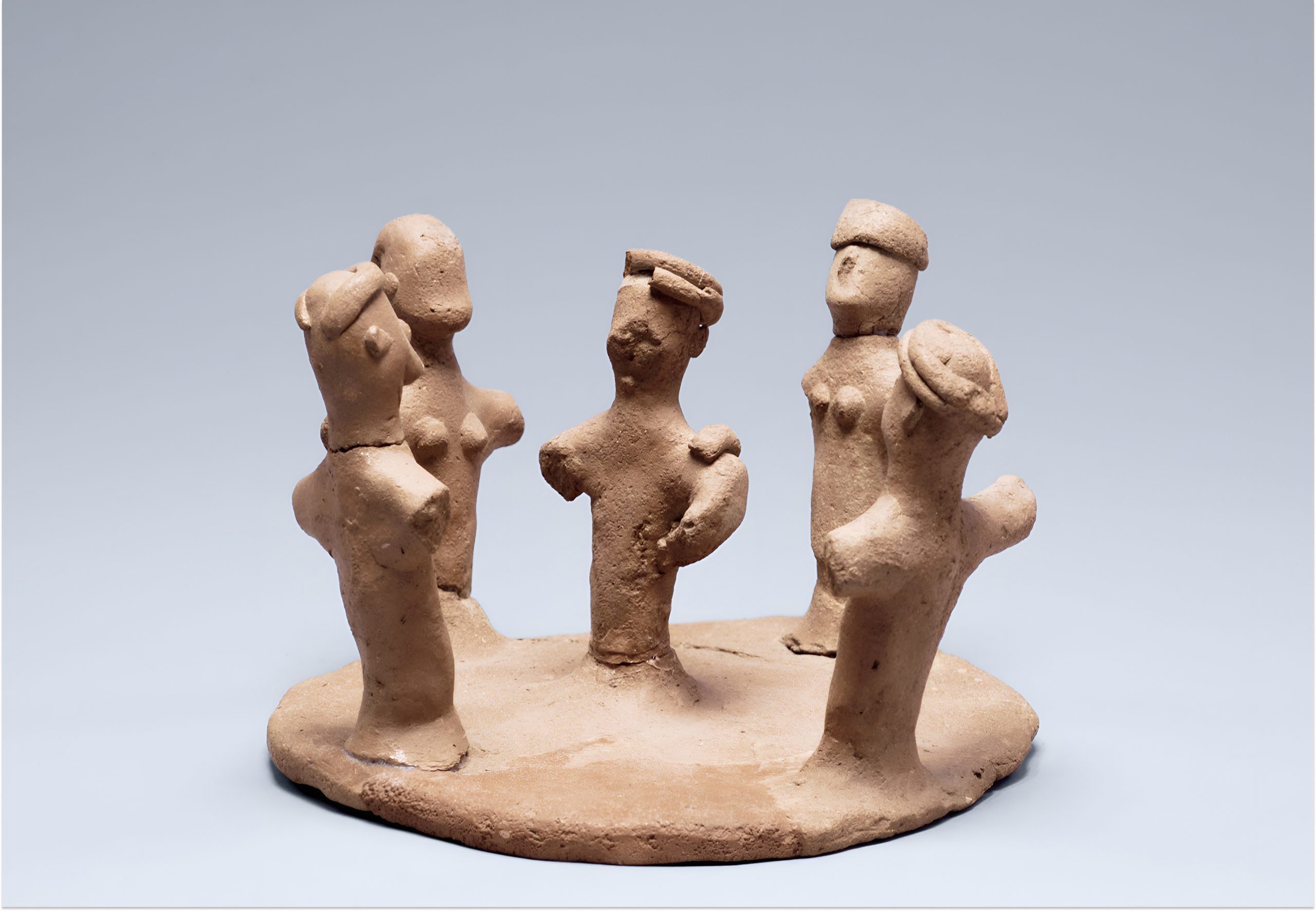
These figures were votive offerings, not artworks in the modern sense. They were left as acts of devotion, gratitude, or request. In Cyprus, such offerings were commonly made from terracotta, but Ayia Irini is unusual for the sheer number of terracotta figures that survived the centuries.
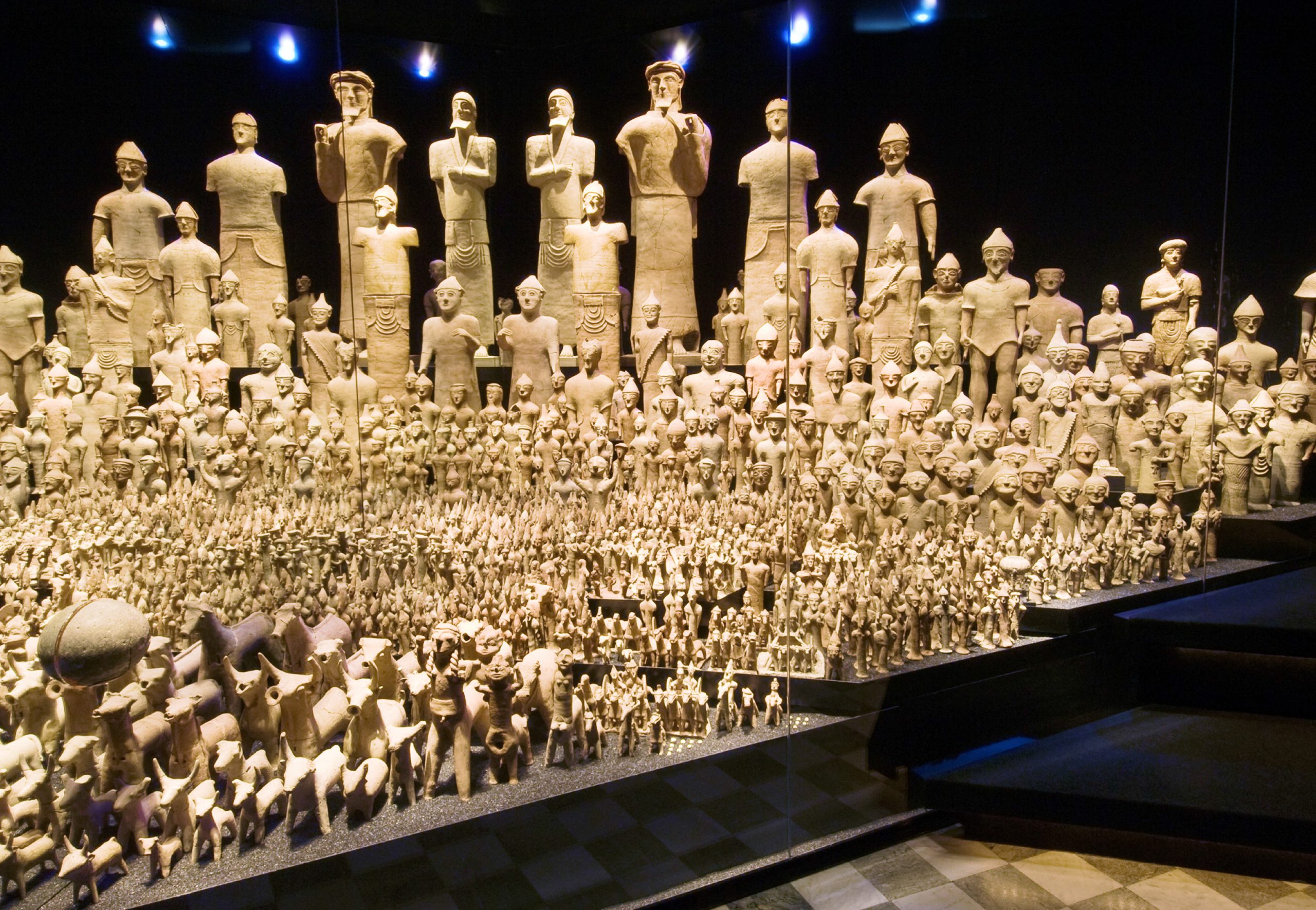
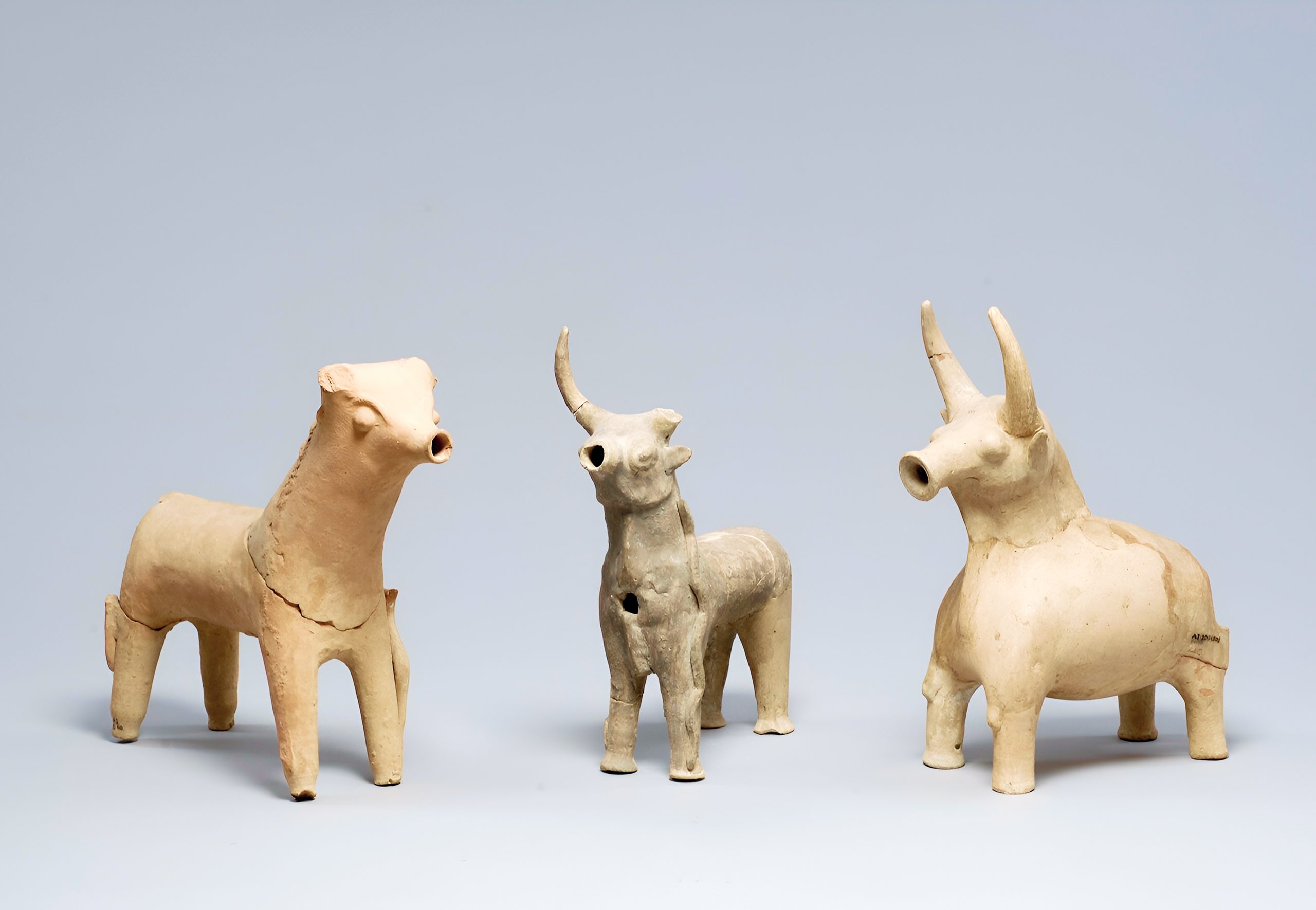
Most date to the Archaic Period, roughly the 7th to 6th centuries BCE. They depict warriors holding shields, priests in ritual dress, musicians carrying instruments, animals such as bulls, and hybrid human-animal forms. Individually, they are restrained and stylised. Together, they create something far more powerful.
Why the Figures Look Repetitive
To modern eyes, the statues can appear uniform. Bodies are rigid and frontal. Faces are calm, wide-eyed, and nearly expressionless. This was not a failure of craftsmanship, but a deliberate visual language.
These figures were meant to stand in for the worshipper. Once placed, they remained permanently before the deity, continuing the act of devotion long after the individual had left. Repetition reinforced meaning. Individuality was irrelevant. Presence was everything.
The absence of dramatic movement or emotion emphasised continuity over personality. What mattered was not who you were, but that you were seen.
A Sanctuary Built by Accumulation
Archaeological evidence suggests that the placement of statues at Ayia Irini followed an internal logic rather than chance. Figures were grouped around the altar in curved arrangements that echoed the act of gathering, creating a sense of orientation and order within an otherwise open landscape. Larger statues often stood farther from the centre, while smaller ones were positioned closer to the altar, ensuring visibility and symbolic balance.
This spatial organisation reflects shared ritual understanding across generations. Worshippers did not simply leave offerings and depart. They placed them within a collective framework that had already been established, reinforcing continuity through careful repetition. Over time, the sanctuary became a layered record of belief, shaped not by a single moment, but by centuries of return.
Ayia Irini was therefore never finished. It evolved slowly, mirroring the lives of those who returned to it season after season.
Fertility, Protection, and Daily Survival
The imagery present at Ayia Irini reveals a belief system grounded firmly in everyday concerns. Bulls, frequently represented in terracotta, symbolised fertility, strength, and agricultural abundance. Their presence reflects the central importance of land and livestock to rural Cypriot life. Warrior figures, often holding shields, likely expressed hopes for protection, success in conflict, or the safeguarding of community boundaries.
Musicians and animal figures suggest that ritual life here was not silent or abstract. Sound, movement, and shared ceremony likely played an essential role. Rather than formalised liturgy, worship may have taken the form of repeated communal actions tied closely to seasonal rhythms and survival needs.
Scholars associate the sanctuary with a local fertility deity who gradually acquired martial characteristics. This blending of roles mirrors the realities of ancient life, where prosperity, defence, and continuity were inseparable. Religion at Ayia Irini addressed what mattered most: harvests, safety, and endurance.
Discovery and What It Changed
Modern knowledge of Ayia Irini began in 1929, when a local priest intervened to prevent looters from removing terracotta fragments from the site. His actions led to systematic excavation by the Swedish Cyprus Expedition, which uncovered more than two thousand statues buried in carefully layered deposits.
These findings reshaped scholarly understanding of Cypriot religious practice. They demonstrated that structured, meaningful worship was not limited to cities or elite institutions. Rural communities developed their own sacred spaces, governed by consistent ritual logic and shared visual language.
The statues had not been discarded or abandoned. They had been placed deliberately, maintained over time, and ultimately buried with care when the sanctuary ceased to function.
Where the Figures Are Today
Today, the majority of the Ayia Irini statues are preserved in the Cyprus Museum in Nicosia and the Medelhavsmuseet in Stockholm. Museum displays often recreate the clustered arrangement of the figures, allowing visitors to experience something close to their original presence around the altar.
The original sanctuary site itself remains largely unmarked and inaccessible to the public. This absence creates a quiet contrast between the physical landscape and the density of meaning once embedded within it.
Why Ayia Irini Still Matters
Ayia Irini matters because it reveals a form of religious life built on presence rather than display. There were no monumental structures or inscriptions proclaiming authority. Instead, belief accumulated gradually through repetition, material commitment, and shared practice.
The sanctuary shows how ordinary people expressed faith collectively, leaving behind not texts or grand architecture, but a silent assembly of terracotta figures facing something they believed was greater than themselves.
In a landscape now defined by ruins and museums, Ayia Irini reminds us that some of the most enduring expressions of belief were never meant to dominate the horizon. They were meant to remain, patiently, in place.