Alampra Mouttes stands as one of Cyprus’s most significant Middle Bronze Age settlements. Located in central Cyprus near the modern village of Alampra, this archaeological site provides rare evidence of prehistoric urban life and early copper metallurgy between 1900 and 1650 BC. The excavated remains reveal a substantial community that occupied a strategic position close to copper ore deposits at the foothills of the Troodos Mountains.
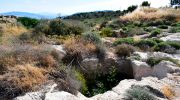
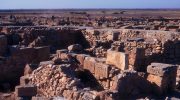
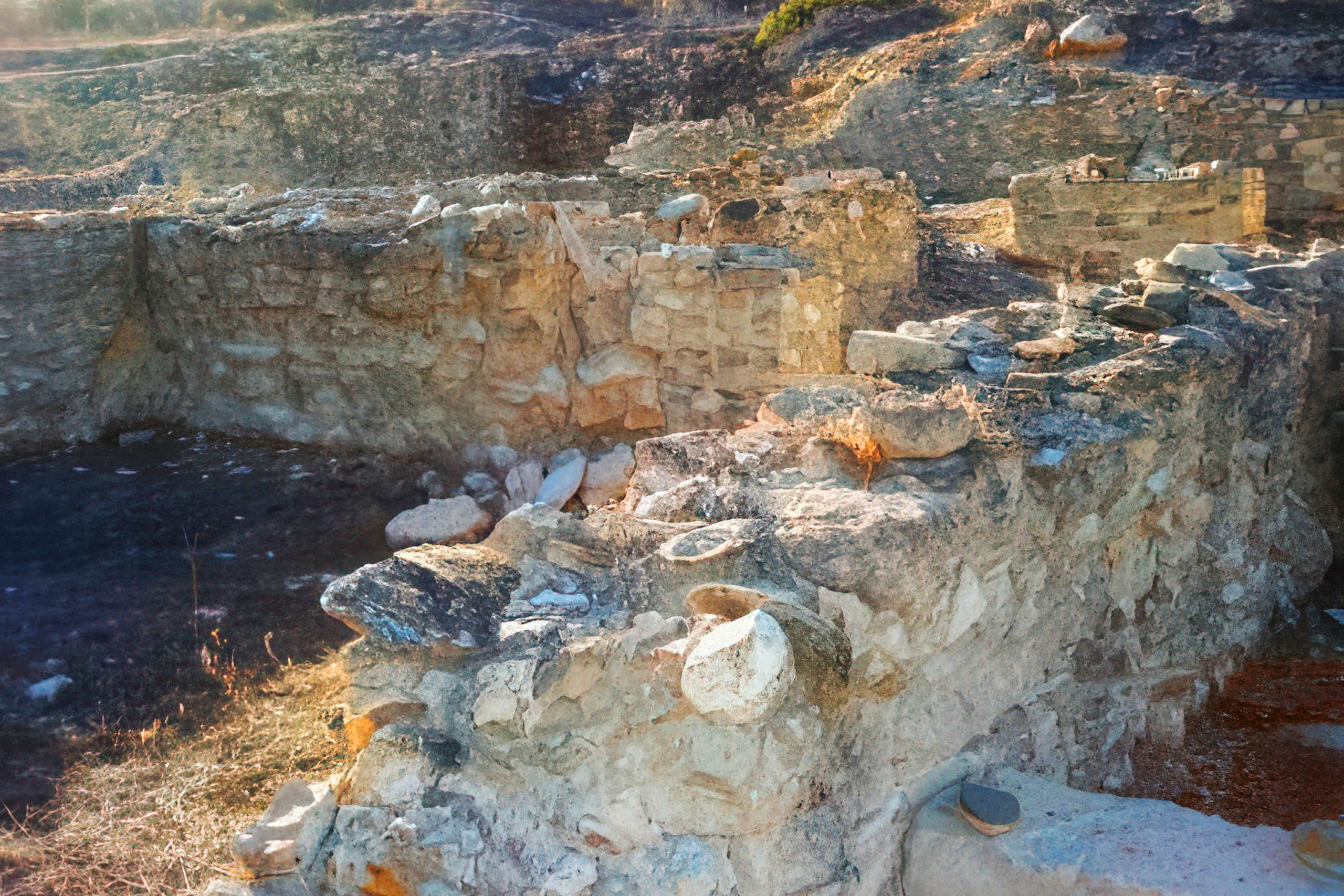
The archaeological site occupies the northeast facing flank of a ridge between two hills called Mouttes and Spileos. The settlement consists of multi room rectangular houses built from local limestone and flint, with walls still standing in several areas. During its period of occupation, Alampra functioned as a largely self sufficient agricultural and metallurgical community.
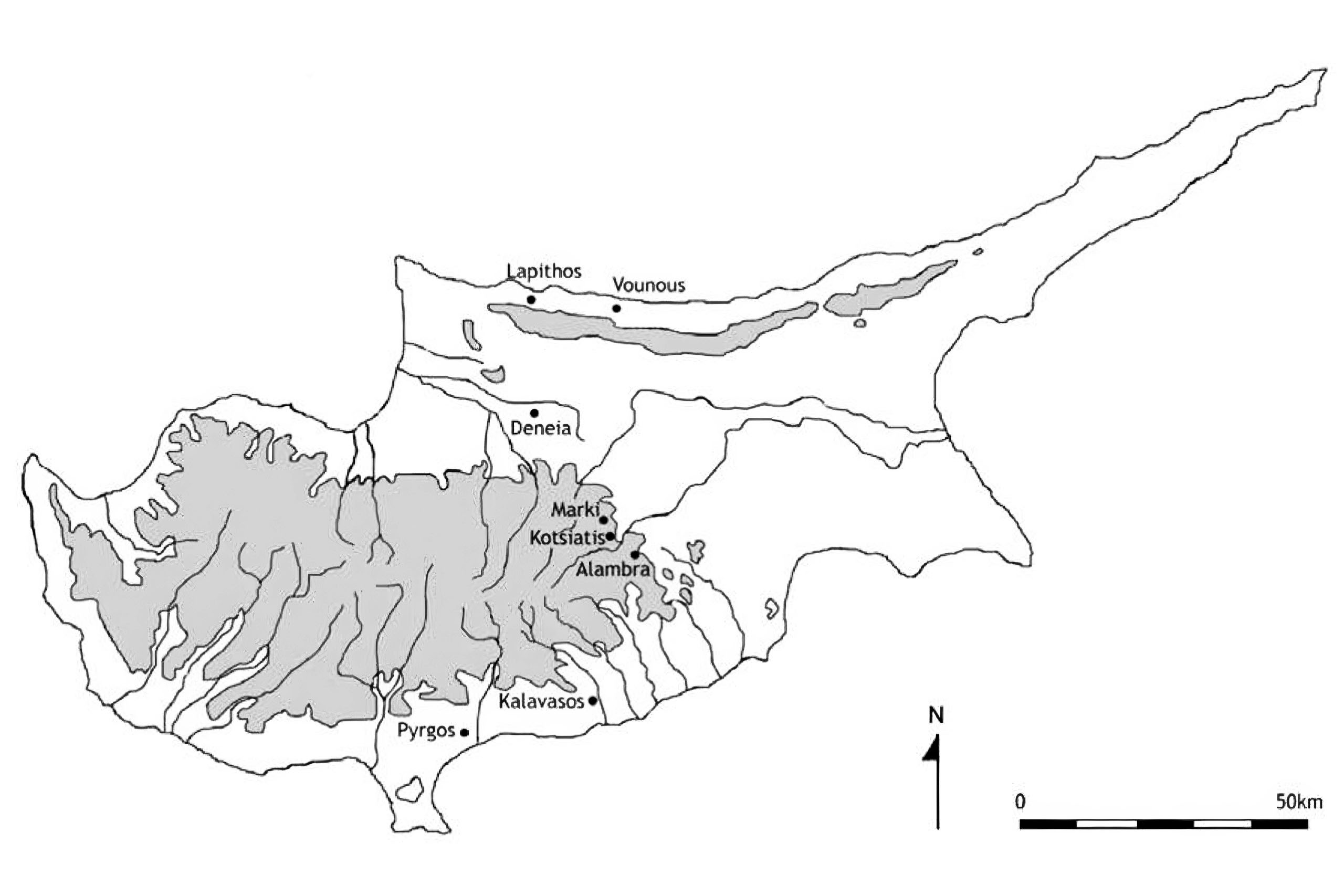
The site lies about 8 kilometers east of Marki Alonia, another major Bronze Age settlement, and sits at the point where the volcanic pillow lava foothills of the Troodos Massif meet the calcareous limestone of the central Mesaoria plain.
Historical Background
Archaeological interest in Alampra began in the 19th century, but the first systematic investigation took place in 1924 when Swedish archaeologist Einar Gjerstad excavated a prehistoric house he named Mavroyi, meaning red earth. For decades, this remained the only precisely documented building in Cyprus from the long period between the Chalcolithic and the end of the Middle Bronze Age. Hector Catling re examined the site in 1952 and included it in his catalogue of Bronze Age sites.
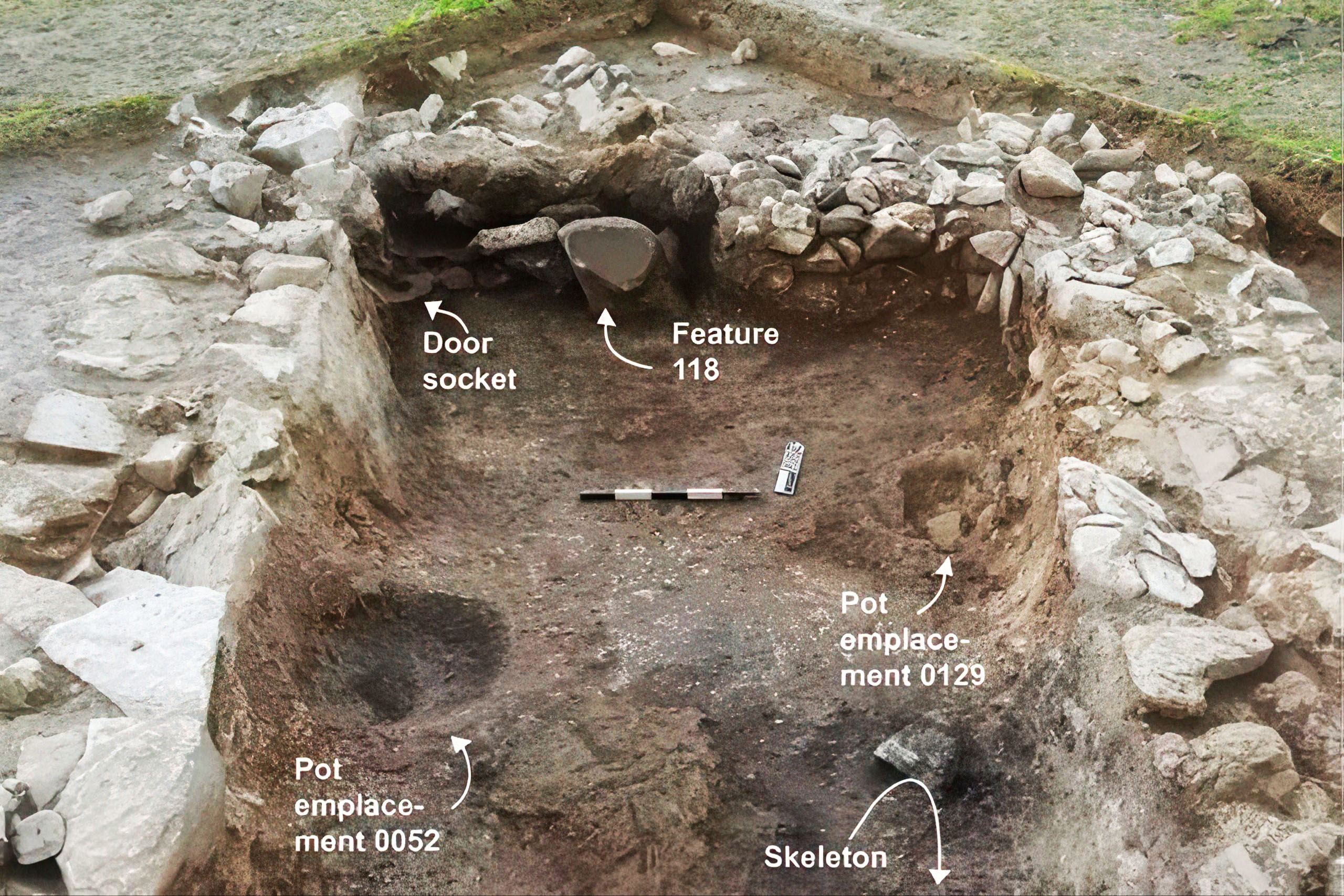
Major excavations were carried out by Cornell University between 1974 and 1985 under the direction of John Coleman. This work revealed extensive remains of a Middle Bronze Age settlement along with an associated cemetery. The settlement remained occupied for about 150 years, beginning around 1900 BC. Archaeological evidence shows the community suffered destruction by fire around 1700 BC, after which the site was abandoned.
More recent investigations took place between 2012 and 2016 under the University of Queensland Archaeological Mission. These excavations combined geophysical survey methods with traditional excavation approaches and identified previously unknown habitation areas, significantly expanding understanding of the site’s spatial organization. The research documented signs of social fragmentation and unequal access to resources within the settlement layout, raising new questions about whether inter community conflict contributed to Alampra sudden abandonment.
The Settlement and Its Architecture
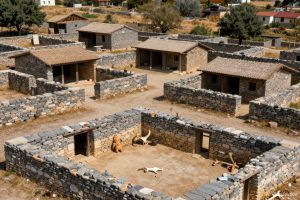
The Alampra Mouttes settlement had many homes grouped together. The houses had rectangular shapes with three to four rooms around a central open space or courtyard. The walls were made from local limestone and flint, and some walls still stand a few layers high. These are some of the earliest rectangular houses in Cyprus and show a big change from the round houses used in the earlier Chalcolithic period.
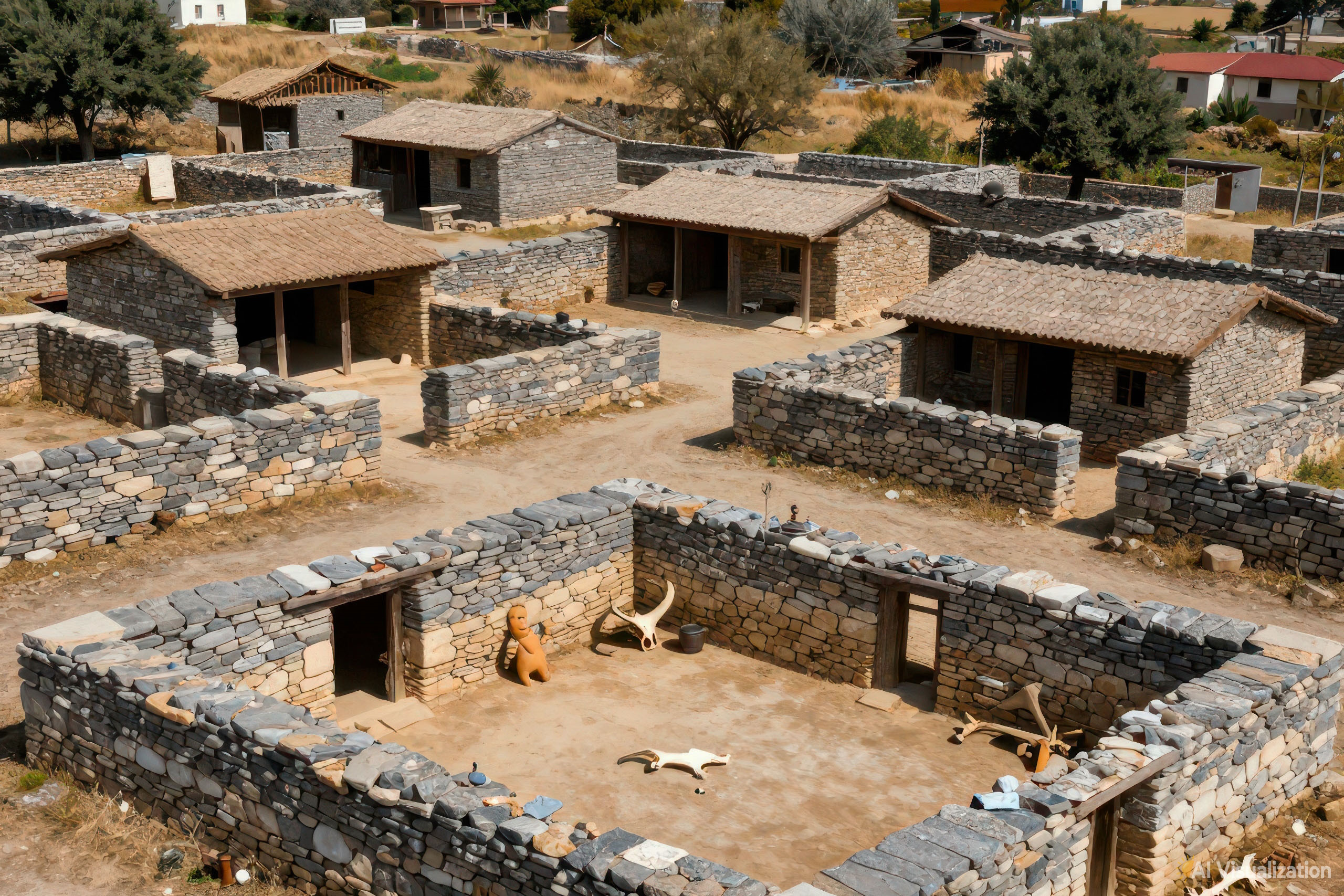
The settlement was large, showing that many people lived there in an organized way. Houses were not all the same size or quality. Some were bigger or stronger than others, which shows that some people were richer or more important.
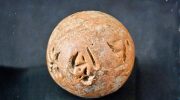
The open courtyards were used by everyone for shared activities. Archaeologists found small human-shaped figurines, tools for spinning and weaving, and deer bones. These discoveries show that people worked, made crafts, and did rituals together in these shared spaces.
Copper Production and Metallurgy
Copper was very important for the people of Alampra. Excavations showed that families made copper at home. Archaeologists found containers for melting copper, stone molds for shaping tools, and leftover copper bits called slag. The people used copper-rich rocks called azurite and malachite to make their copper.
These rocks had a lot more copper (10–50%) than the deeper copper ores in the mountains, which had very little copper (0.5–4.5%). This meant it was easier to get copper from these rocks and less waste was made.
It looks like each household made its own copper rather than having one big factory. They made everyday tools for use in their homes, though we don’t know exactly what tools they made from the molds they found. This evidence helps us understand how early people in Cyprus started the copper industry that made the island famous in the ancient Mediterranean.
Interesting Archaeological Discoveries
The cemetery at Alampra Mouttes had 82 tombs cut into the rock. Each tomb had one chamber and contained many grave items, such as bronze knives, swords, tools, and decorated handmade pots. Many of these objects are now in museums around the world, including the Metropolitan Museum in New York.
One very special find was a complete plank figurine found inside the settlement. Plank figurines are flat, human-shaped figures made during the Bronze Age in Cyprus. This was unusual because most plank figurines are found in graves, not in homes.
Analysis of preserved plant remains showed that the people grew olives and grapes, meaning they made wine early on. Animal bones show they raised sheep, goats, pigs, and cattle, and also hunted deer.
The site also served as a cemetery before it became a full settlement. This shows that the location was important for a long time to prehistoric people in the area.
Alampra Pottery and Material Culture
The people of Alampra made distinctive pottery that helps archaeologists understand the Middle Bronze Age in Cyprus. For a long time, Bronze Age timelines were based mostly on grave finds, but the settlement at Alampra gave new evidence that improved understanding of pottery styles across the island.
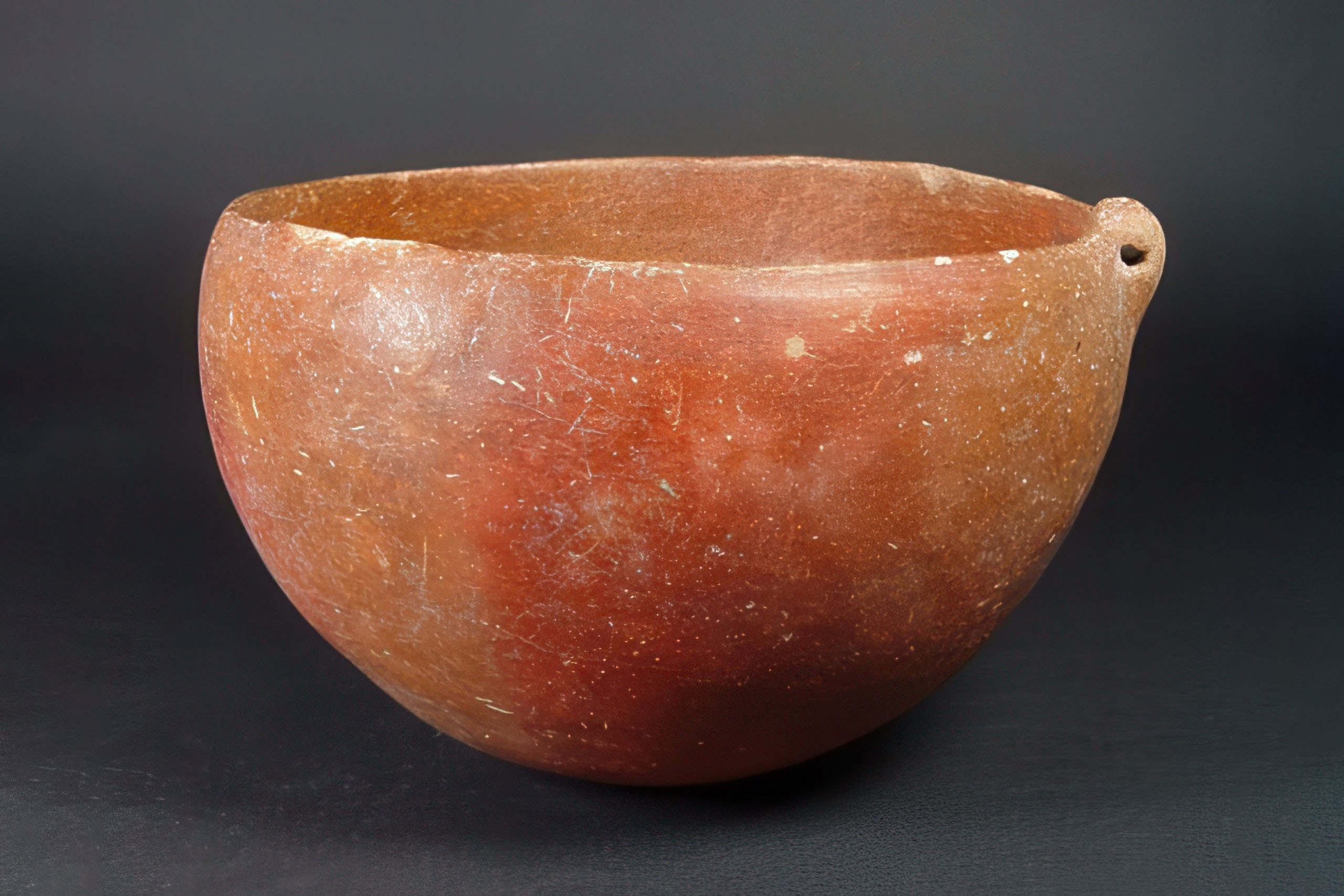
Studies of the pottery show that people carefully chose their clay and made vessels with skill. Comparing pots from Alampra with nearby sites, like Marki Alonia, shows that prehistoric potters made deliberate choices about materials depending on the vessel’s use and how it looked.
The pottery includes Red Polished ware, the main type of pottery at the time, along with local variations. The different shapes of the pots show they were used for storing, cooking, serving food, and even for rituals.
Alampra in Modern Archaeological Research
Alampra Mouttes remains a critical reference point for scholars studying Cypriot prehistory. The site provides concrete settlement data for refining Bronze Age chronologies and offers tangible evidence for early metallurgical activities that laid the foundation for Cyprus’s later prominence as a major copper producer in the ancient world.
Contemporary archaeological discussions often reference Alampra when debating the nature of Bronze Age Cypriot society. While initial excavators characterized the community as “egalitarian,” more recent analyses point to evidence of social complexity and economic specialization beyond simple subsistence. The presence of metallurgical activity, the settlement’s size, and architectural variations all suggest developing hierarchies within Bronze Age communities.
Some scholars have proposed that Alambra may have functioned as a regional center or even a “royal district,” though this interpretation remains debated. The settlement’s scale and evidence of specialized production certainly indicate it was more than a typical village, but whether it exercised political authority over surrounding areas cannot be definitively proven from the archaeological record.
Visiting the Archaeological Site
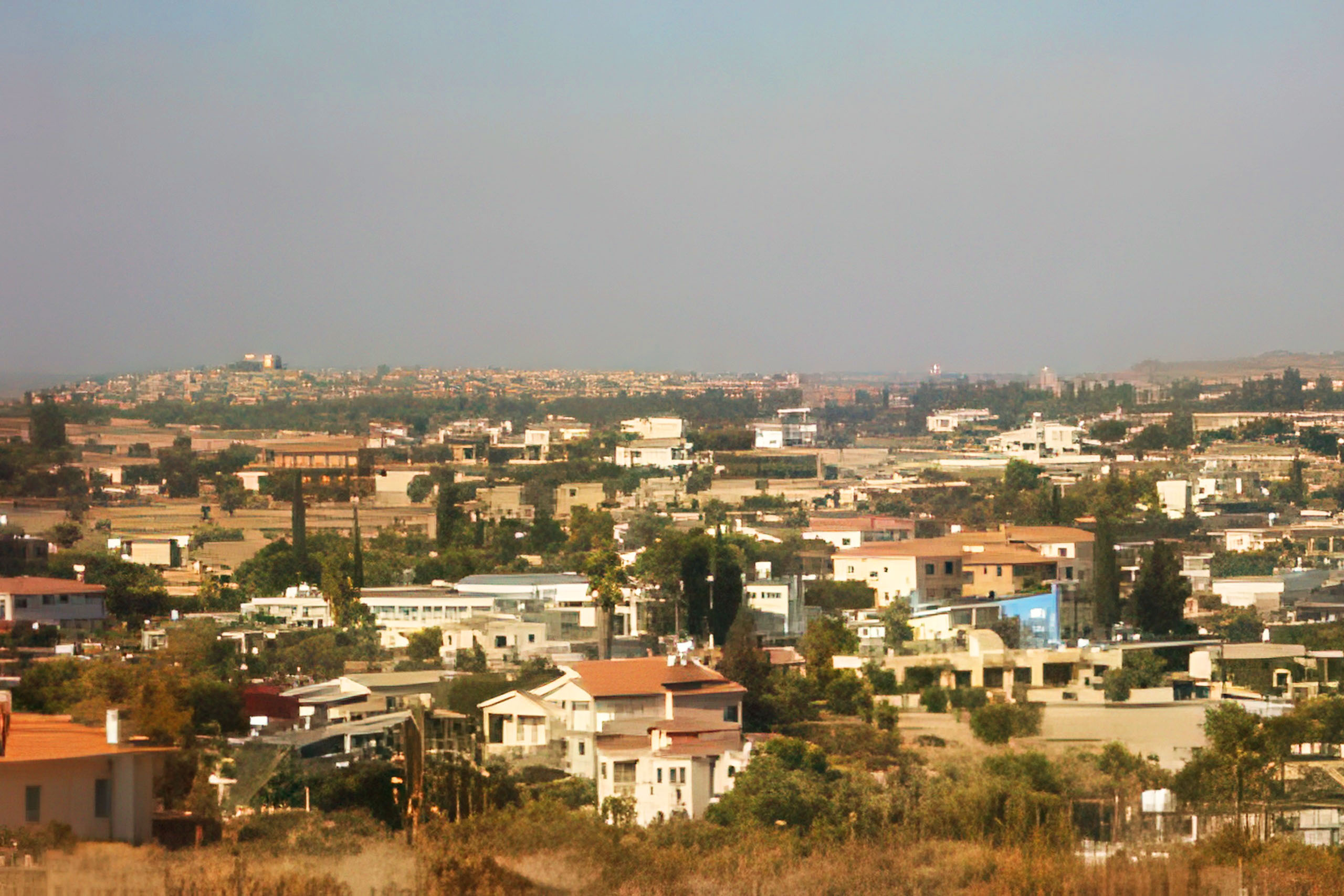
The ancient settlement of Alampra Mouttes is on hills just northeast of the modern village of Alampra, about 25 kilometers south of Nicosia and 29 kilometers northwest of Larnaca. The village itself is interesting, with traditional houses, old mansions with paved courtyards, and newer buildings because of its closeness to the capital.
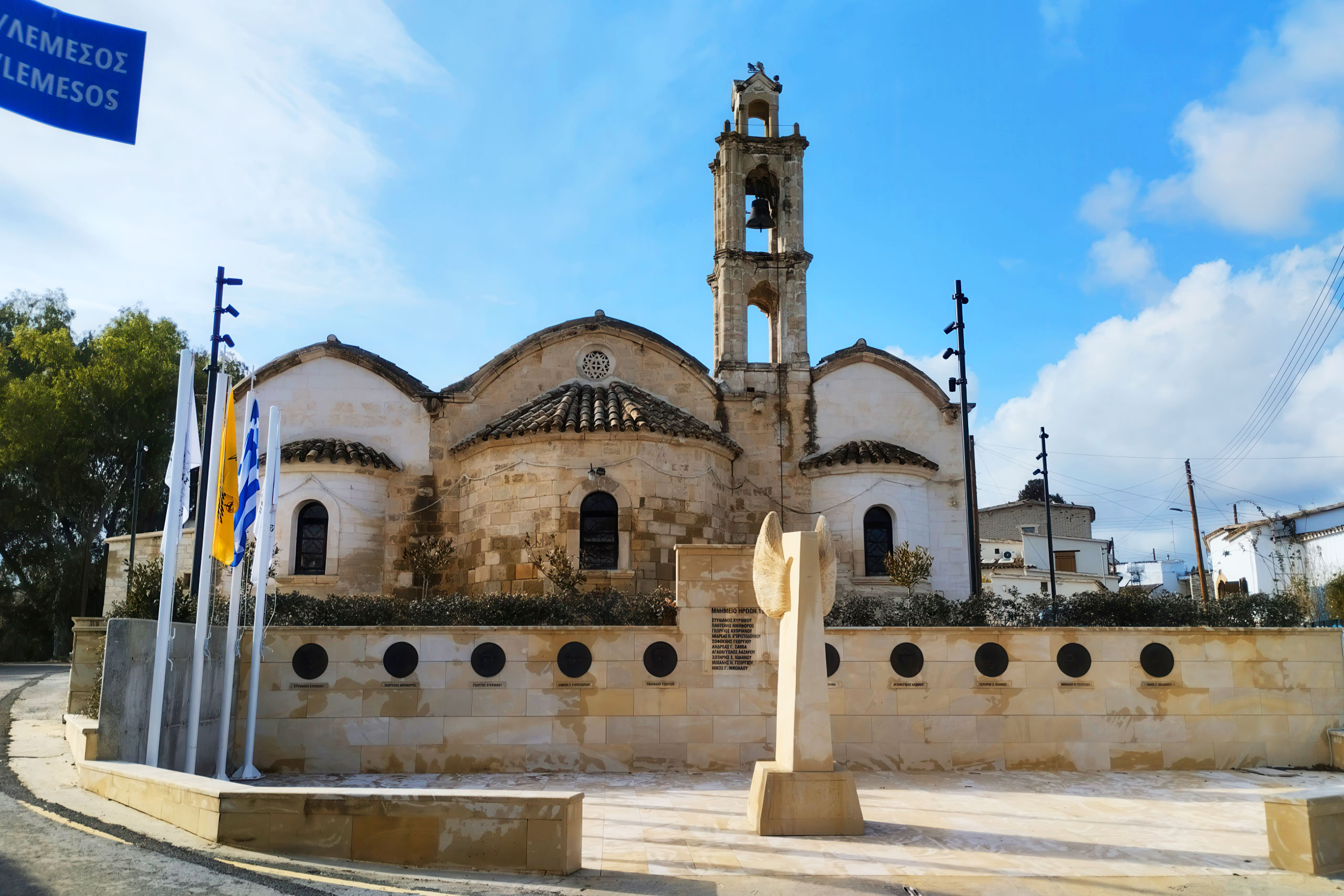
The Limassol-Nicosia highway, one of Cyprus’s main roads, passes through the village, making it easy to reach. The local community takes pride in its history, especially the prehistoric settlement that shares its name. The village church of Agia Marina, built in 1837 and rebuilt in 1954, is a central landmark.
Why Alampra Matters to Cypriot Heritage
Alampra Mouttes shows an important period in Cyprus’s history, when villages were changing and developing the ways of life that would later support the Bronze Age. The site shows how people switched from round houses to rectangular buildings, started making copper tools at home, and organized their community in more complex ways.
The settlement also helps us understand how Cyprus became part of wider trade networks in the Mediterranean. Even though Alampra existed before Cyprus became a major copper exporter in the Late Bronze Age, the copper production and metalworking skills developed at places like Alampra set the stage for the island’s later role as an important copper supplier in the ancient world.