 English
 Greek
Greek German
 Russian
The National Forest Park of Machairas protects one of Cyprus’s most important natural areas through 6,057 hectares of Mediterranean forest. It supports over 600 plant species and serves as the source of the island’s two largest rivers.
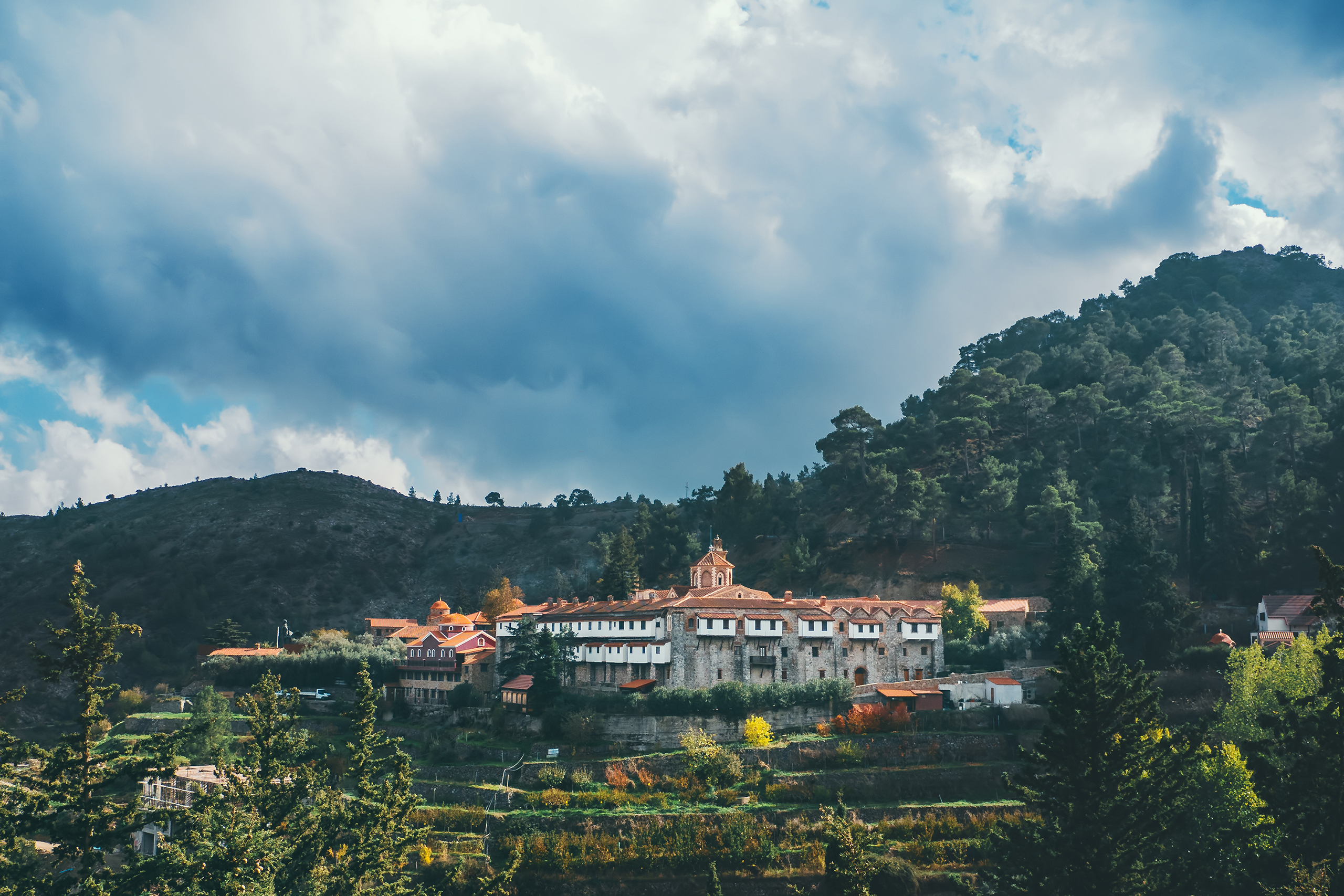
The park was officially declared a National Forest Park on December 22, 2004, through decree 61.368. The designation initially covered the Machairas forest at 43.93 square kilometers and the smaller Lythrodontas forest at 1.31 square kilometers. On June 1, 2005, decree 62.114 added the adjacent area called Vounia tou Anemou, which covers 1.126 square kilometers. The total protected area now spans 60.6 square kilometers across parts of Nicosia and Larnaca districts.
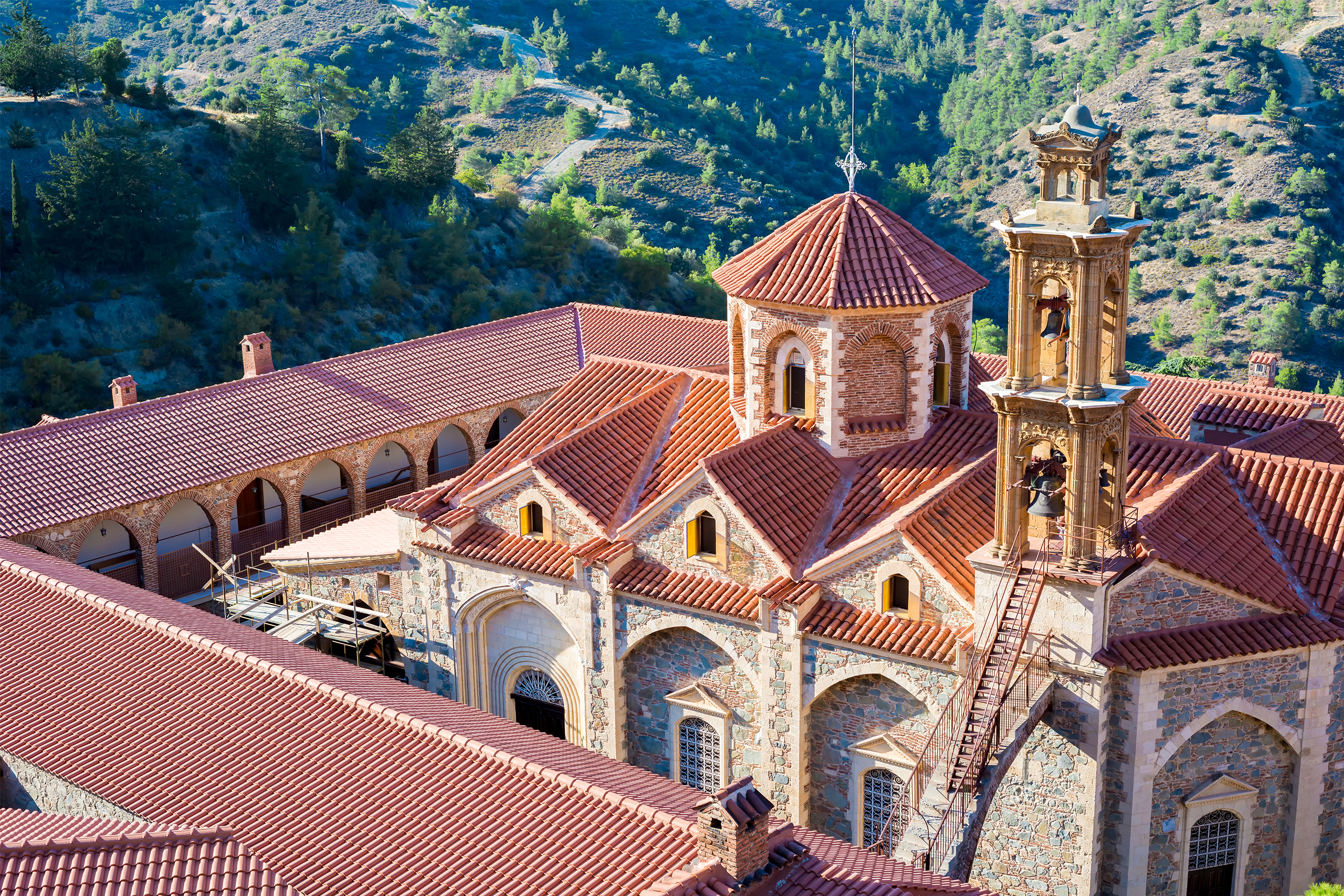
The forest takes its name from the historic Machairas Monastery, which occupies a commanding position at the head of a wooded valley on one of the highest slopes of Kionia Peak. The monastery’s name derives from the Greek word for sword or knife. By 1921, Machairas Forest covered 15.26 square miles and was recognized as one of the five main state forests in Cyprus, though it was smaller than the largest, Paphos Forest.
The park received designation as a Natura 2000 site and Important Bird Area due to its ecological significance. Part of the forest has been declared a Special Protection Area to safeguard its biodiversity. The Department of Forests manages the entire area from a station in Lythrodontas, staffed by forest employees who handle fire protection, trail maintenance, recreational area development, and wildlife conservation.
Geography and Climate Patterns
The forest’s elevation ranges dramatically from 300 meters in the east near Lythrodontas to 1,423 meters at Kionia Peak, the highest point in the area. The relief consists of mountainous terrain with narrow deep valleys and high peaks. This variation in altitude creates different climatic zones within the forest. The Kionia to Machairas peak line receives higher rainfall during winter, with annual precipitation reaching 700 millimeters. Lower areas receive between 446 and 707 millimeters annually.
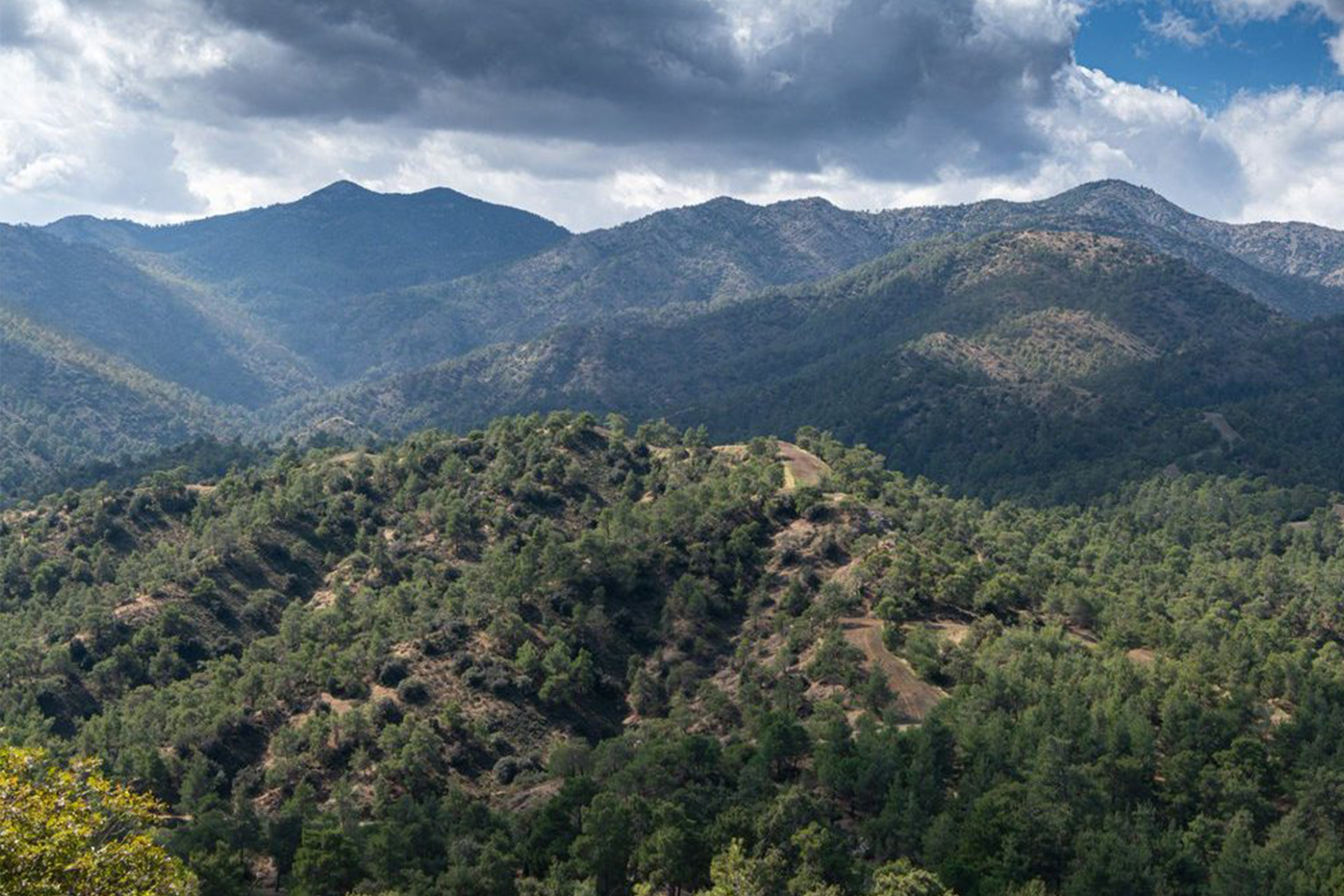
Summer temperatures in higher elevations remain moderate, rarely exceeding 32 to 33 degrees Celsius. Winter brings colder conditions with temperatures dropping to minus 5 degrees Celsius, accompanied by snow. Some rainfall occurs even during summer months. The mean daily maximum temperature in August, the hottest month, reaches 30.5 degrees Celsius.
The forest extends eastward to Lythrodontas and the Kyprovasa area, northward to the Vavatsinia area, westward to the villages of Fikardou, Lazania, and Gourri, and southward to Kapedes and Filani. The location sits approximately 45 kilometers southwest of Nicosia, 60 kilometers west of Larnaca, 70 kilometers from Limassol, and 130 kilometers northeast of Paphos.
Rivers and Water Sources
Four significant rivers originate within the park’s boundaries. The Pediaios and Yialias rivers are the two largest waterways in Cyprus, both springing from the Machairas mountains. The Pentaschinos and Maroni rivers also derive from the park. Numerous streams flow from the mountains, feeding these larger rivers and their tributaries, including the Alikos, which joins the Yialias. The ecosystems surrounding these water sources hold enormous ecological importance for the island.
During summer months, Kionia Peak operates as a forest fire observation station. The elevated position allows rangers to spot fires quickly across the forest area. Fire protection remains one of the main responsibilities of forest staff, along with designing and improving recreational areas, maintaining nature trails and forest roads, and protecting wildlife habitats.
Plant Life and Forest Composition
Over 600 plant species grow within the park, including 27 indigenous to Cyprus. The dominant tree is the Calabrian pine, known scientifically as Pinus brutia, which creates extensive forest landscapes either alone or mixed with other species. The endemic golden oak, called Quercus alnifolia, appears throughout the forest alongside various shrubs.
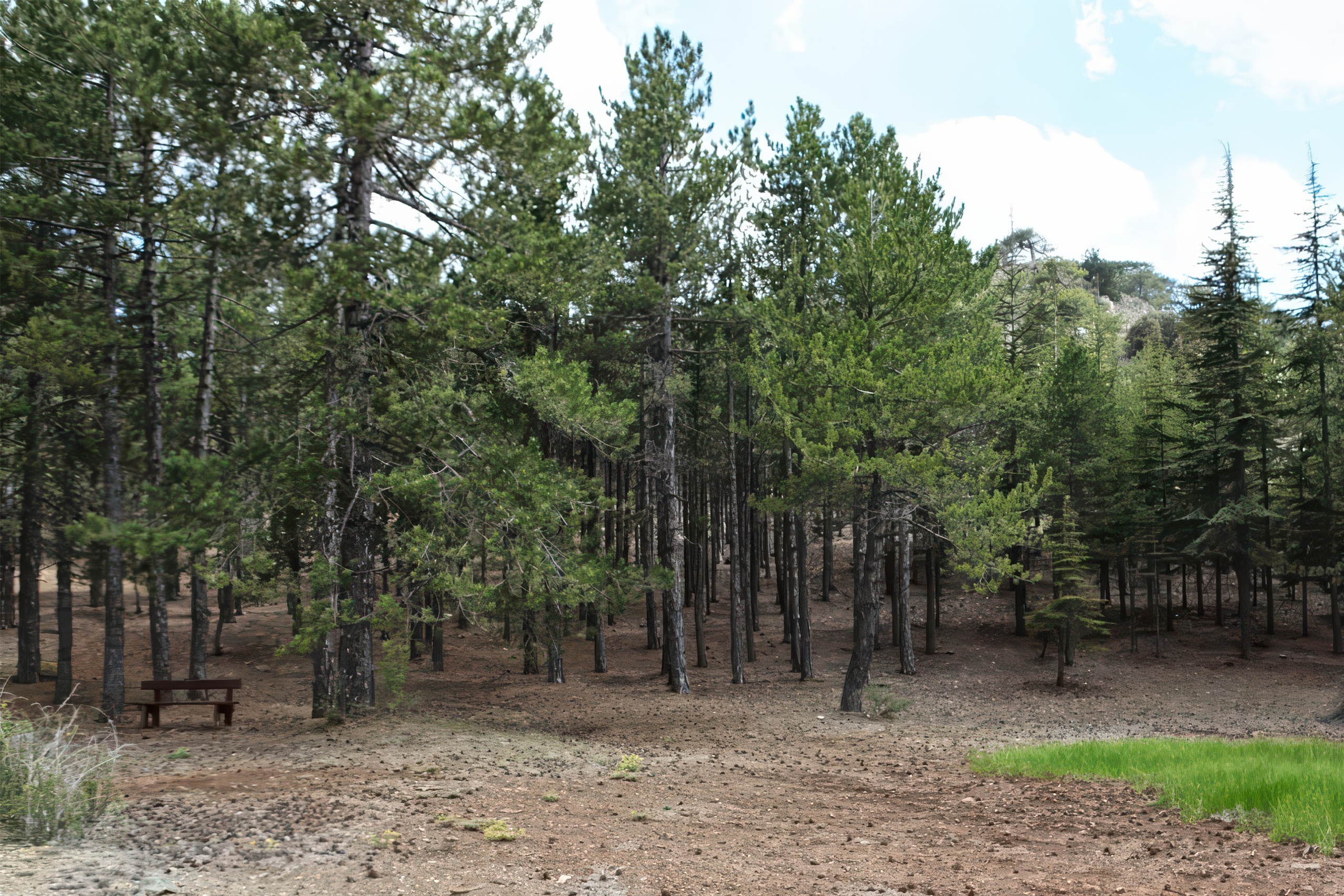
In the warmer, drier zones around Delikipos, Kyprovasa, Lythrodontas, Kapedes, and Filani, visitors find wild pine trees and Mediterranean vegetation including olive trees, hawthorn, terebinth, and cistus shrubs. The forest shows variation in density, with thick stands in some areas and sparse coverage in others. Some sections regenerate naturally without human intervention, while others are man-made plantations established after fires damaged areas like Drys, Moutti tou Kormou, and Tourkopoulieris.
Wildlife and Bird Species
The park supports diverse fauna including several mammal species. Foxes, European hares, and the subspecies of hedgehog known as Hemiechinus auritus dorotheae inhabit the forest. Reptiles include various snakes and lizards. The park is particularly notable for rare endemic butterfly species.
Birdlife represents one of the park’s most significant features. The protected Bonelli’s eagle nests in the area. Endemic bird species include the Cyprus Warbler, Cyprus Wheatear, Cyprus Coal Tit, Cyprus Scops Owl, and Jay. Common species like the Chukar and Wood Pigeon also thrive in the forest habitat. The diversity of bird species contributed to the park’s designation as an Important Bird Area.
Recreational Facilities and Activities
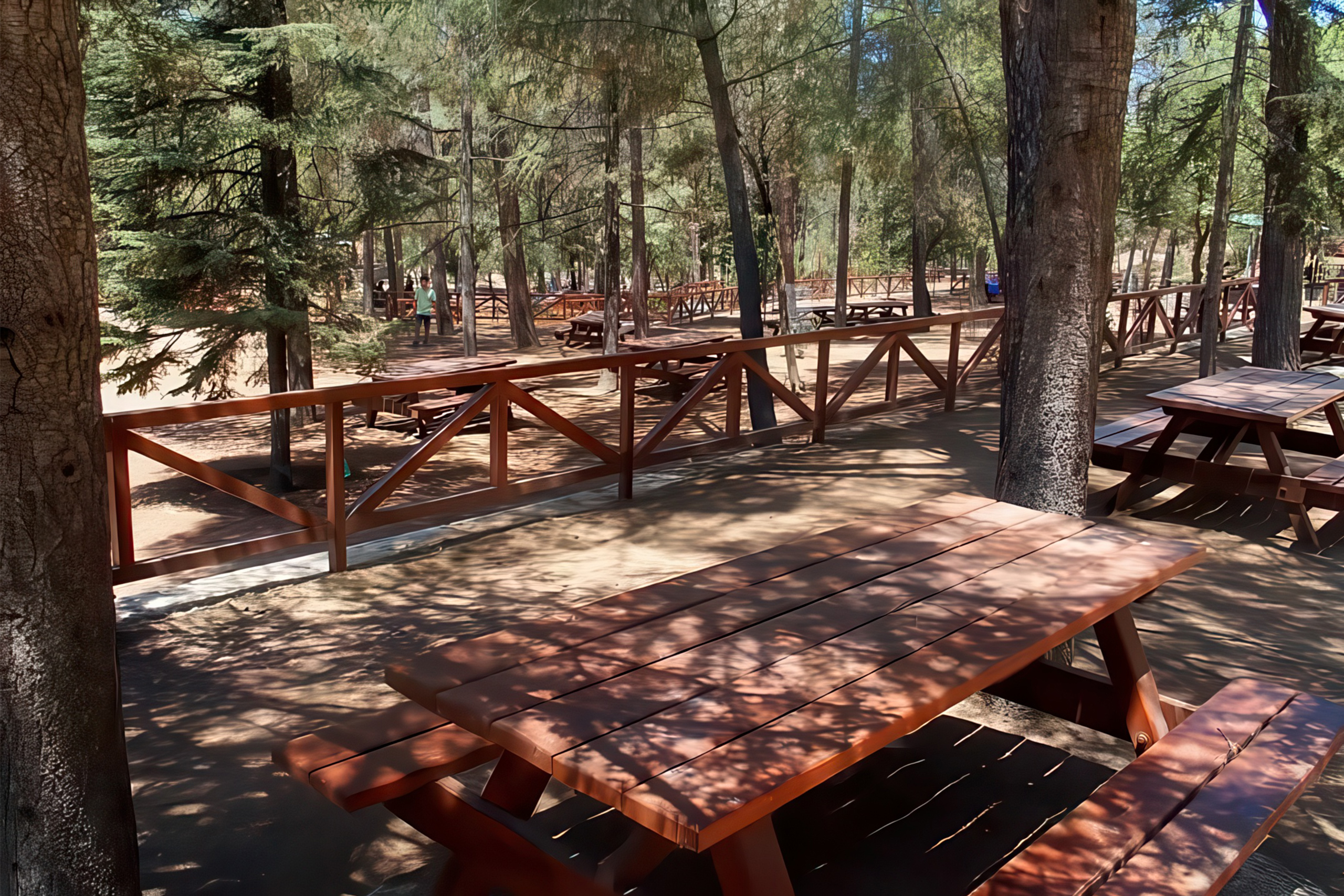
The park maintains three picnic areas equipped with tables, drinking water, parking spaces, toilets, and children’s playgrounds. These sites have a combined capacity of approximately 2,200 people. The Mantra Kampiou picnic site is among the most popular facilities. The Kionia recreational area, near the fire observation station at 1,423 meters elevation, attracts cyclists for its beautiful mountain biking routes and panoramic views from the radar area.
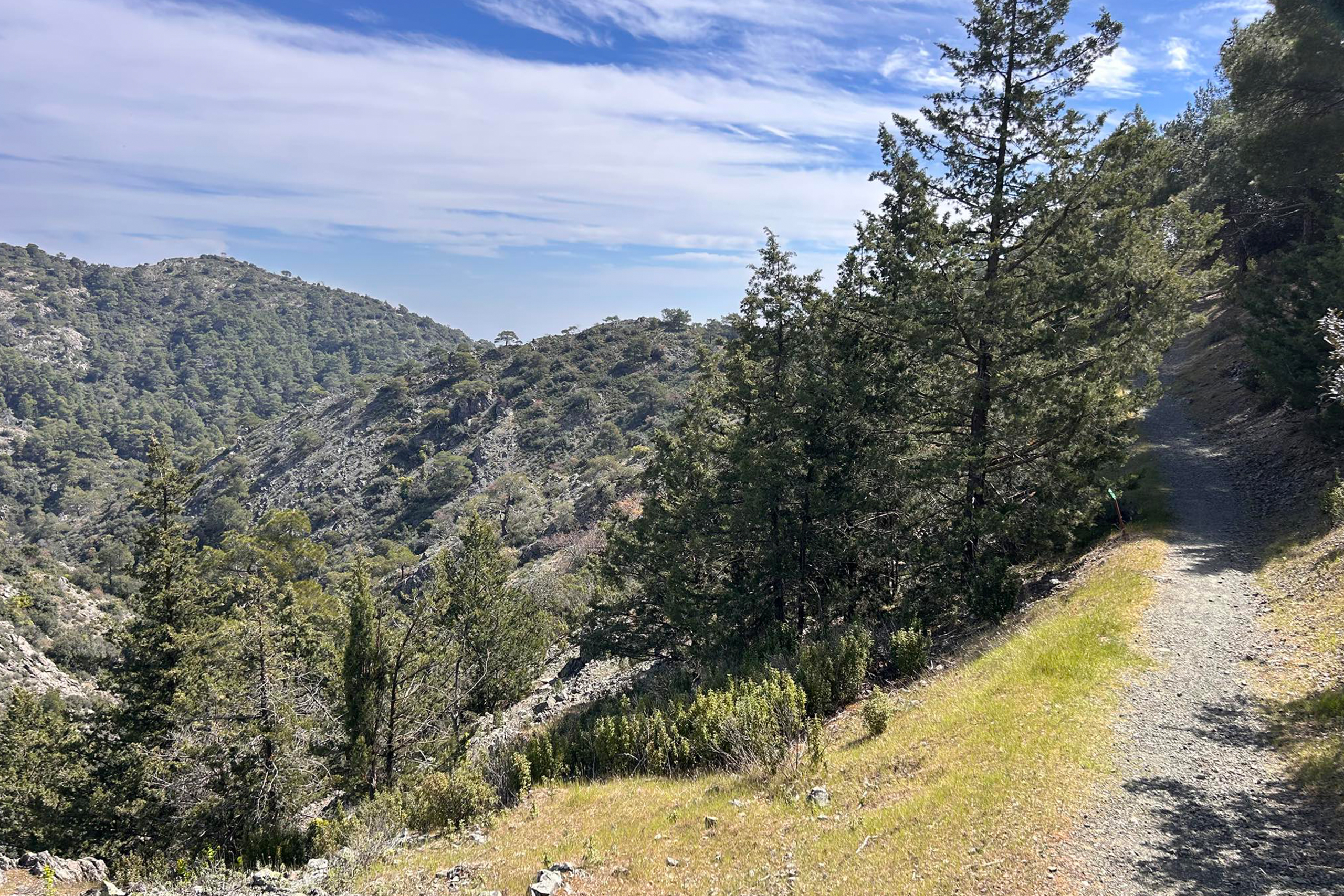
Five nature trails operate within the park, covering a total distance of 19 kilometers. One trail was specifically designed for wheelchair accessibility. All trails feature informative signs marking points of special interest. The trails range from easy walks to more challenging hikes, accommodating different fitness levels. Forest roads also serve mountain bikers who use the park for sport.
Wine Route Number 7 crosses through the Machairas area, connecting the forest to the island’s viticulture heritage. The combination of natural beauty, recreational facilities, and cultural attractions draws both local and foreign tourists throughout the year.
Visiting the Park
The National Forest Park of Machairas is open year-round and offers free access to visitors. The proximity to Nicosia makes it an ideal day-trip destination. Visitors should bring adequate water and snacks, as facilities within the park are limited. Comfortable walking shoes are essential for trail exploration. Early morning or late afternoon visits offer cooler temperatures and fewer crowds.
The park provides a peaceful escape from urban life while maintaining accessibility. The combination of natural beauty, recreational opportunities, historical sites, and wildlife observation makes Machairas one of Cyprus’s most valuable protected areas. The forest demonstrates how conservation efforts preserve ecological functions while allowing public enjoyment and education about Mediterranean ecosystems.