 English
 Greek
Greek German
 Russian
Cyprus isn’t just an island of beaches and ancient ruins – it’s the legendary birthplace of Aphrodite, the goddess of love and beauty. For thousands of years, pilgrims, poets, and lovers have traveled here seeking the divine magic said to linger in its shores, and the myths born on this island have shaped Western culture in ways that still resonate today.
An Island Steeped in Divine Legend
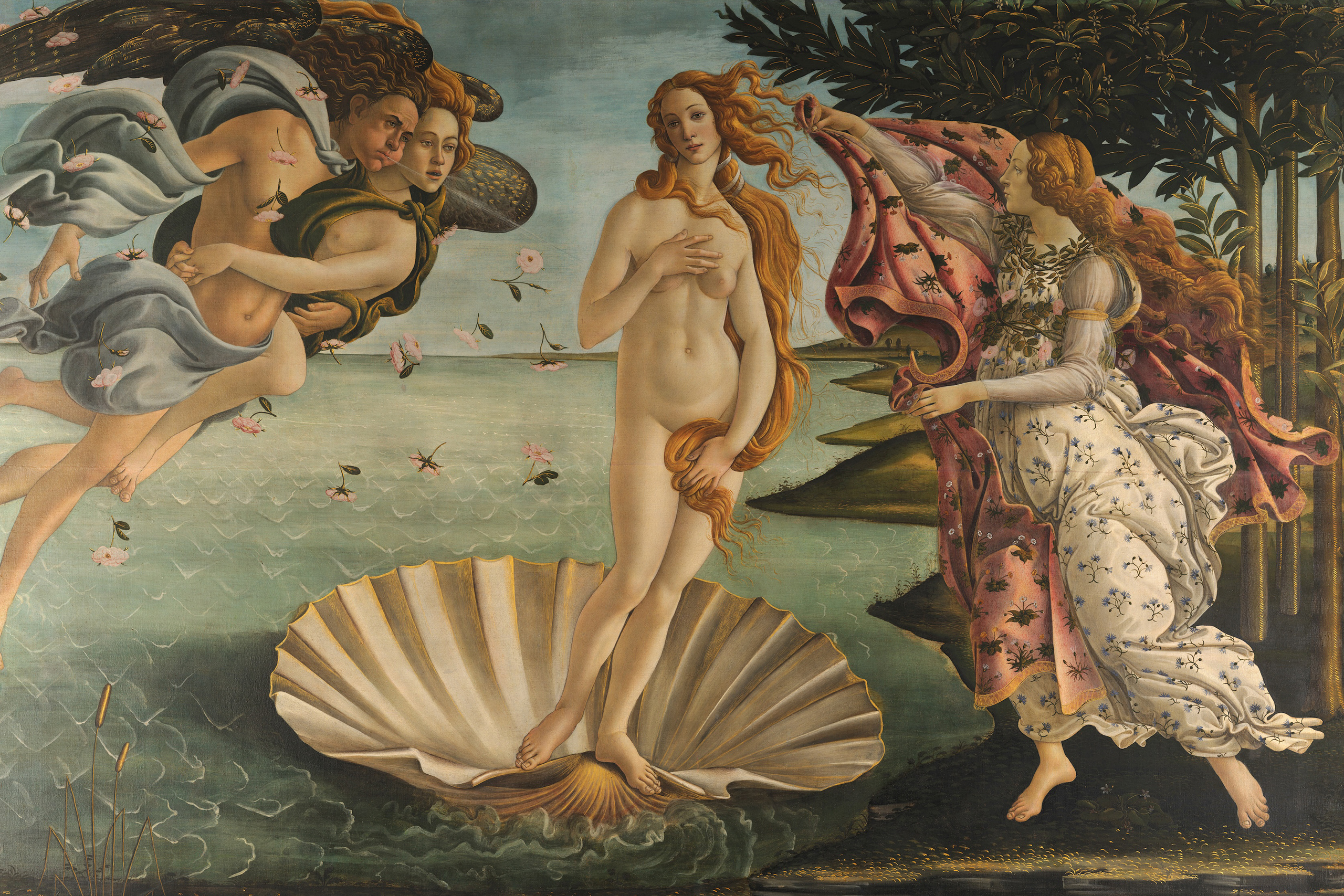
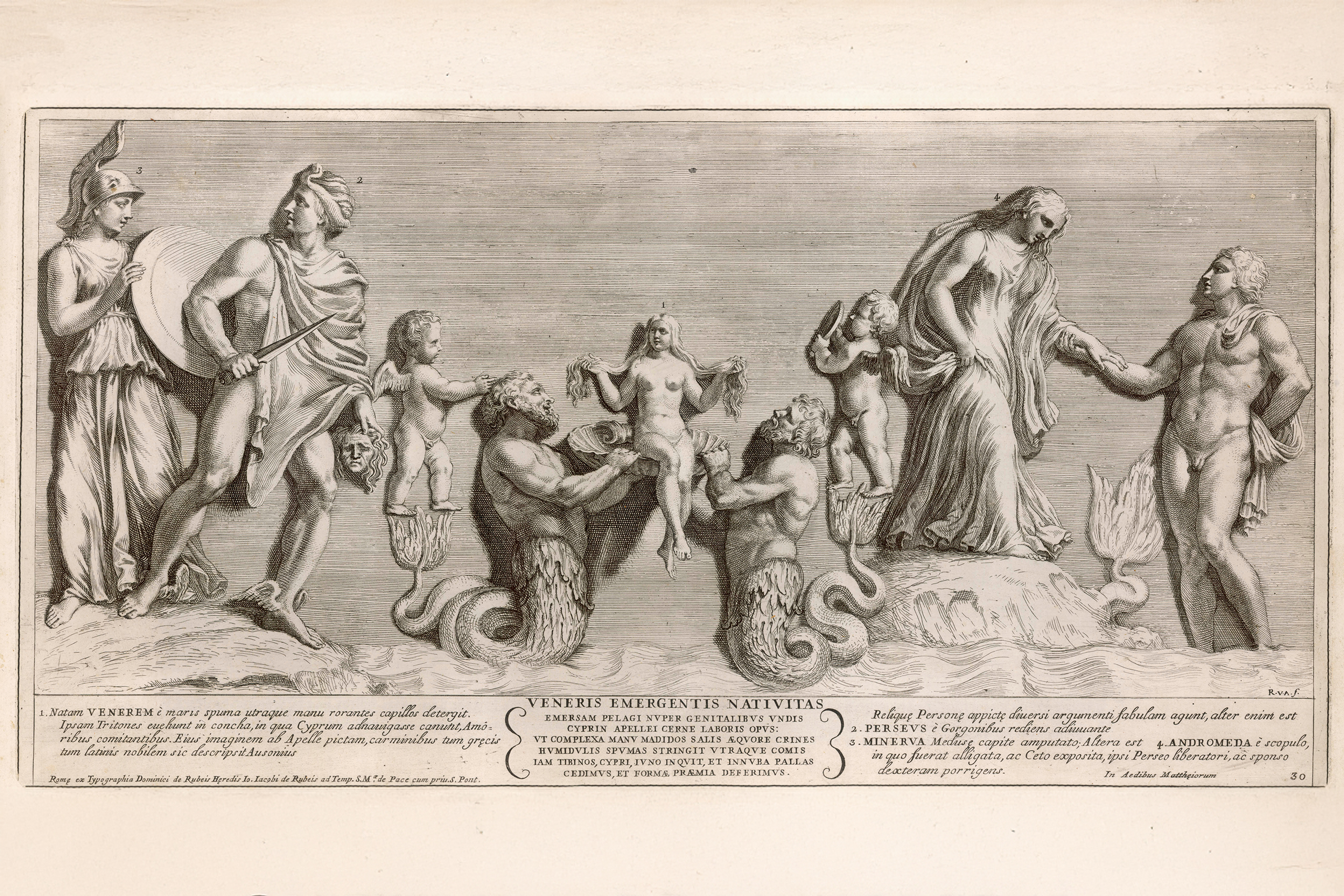
Cyprus holds a unique place in Greek mythology as the earthly home of Aphrodite. According to legend, the goddess emerged from the sea foam near Cyprus’s shores, making the island sacred ground. The connection runs so deep that Aphrodite herself was often called “Kypria” – the Cyprian goddess – a title that linked her identity inseparably to this Mediterranean island.
Beyond Aphrodite, Cyprus is woven into myths involving tragic love, divine kings, and miraculous transformations. These stories explained the island’s remarkable fertility, legendary copper wealth, and status as a crossroads of cultures. Today, these myths remain alive in the landscape itself.
From Ancient Cults to Eternal Legends
Long before classical Greek myths were written down, Cyprus was home to fertility cults dating back to Neolithic times. When Mycenaean Greeks arrived around the 12th century BC, they built temples and gradually merged local worship traditions with their own pantheon, creating a unique Cypriot version of Greek religion with Aphrodite at its center.
The island’s natural gifts reinforced its mythological status. Cyprus was famous for its copper – so much so that the metal itself was named after the island (the Latin aes Cyprium became cuprum, then “copper”). This mineral wealth, combined with fertile soil and strategic Mediterranean location, made Cyprus prosperous. To the ancient mind, such blessings meant the gods favored this place.
By the classical period, Cyprus had become one of the most important pilgrimage destinations in the Mediterranean. The Sanctuary of Aphrodite at Paphos drew worshippers from across the Greek world, and even Roman emperors paid homage there. The island’s mythological reputation influenced literature, art, and religious practice throughout antiquity – echoes that still shape how we think about love, beauty, and desire today.
The Sacred Sites and Their Stories
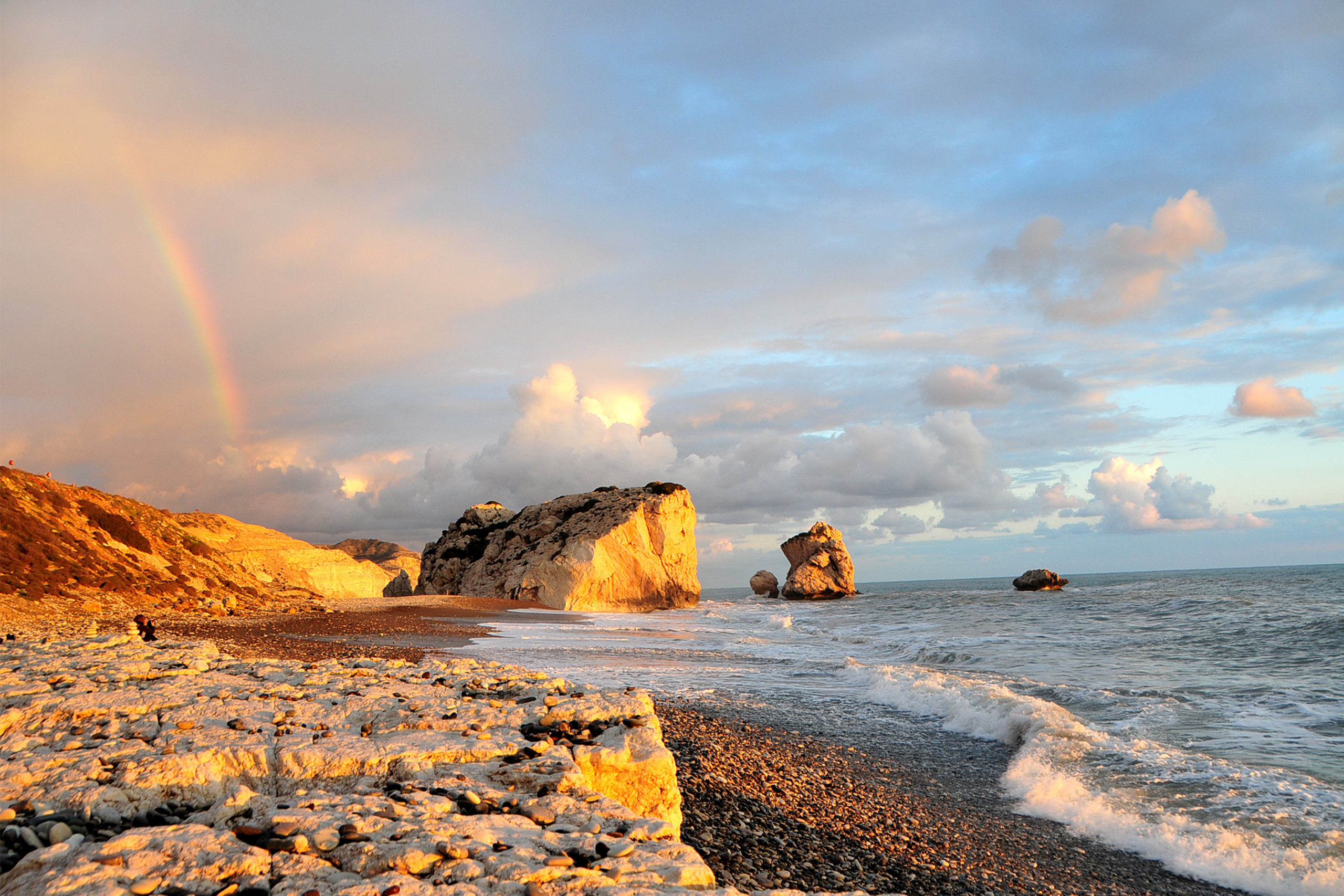
The most famous mythological site in Cyprus is Petra tou Romiou, known as Aphrodite’s Rock. This dramatic sea stack rises from the waves along the southern coast between Paphos and Limassol. According to legend, this is where Aphrodite was born – where she rose from the sea foam fully formed, radiating divine beauty.
The myth says when the titan Kronos castrated his father Uranus and threw the severed organs into the sea, they created foam that drifted to Cyprus. From this foam emerged Aphrodite, and as she stepped onto shore, flowers sprang up beneath her feet. The site’s rough seas and dramatic coastal setting create an almost otherworldly atmosphere.
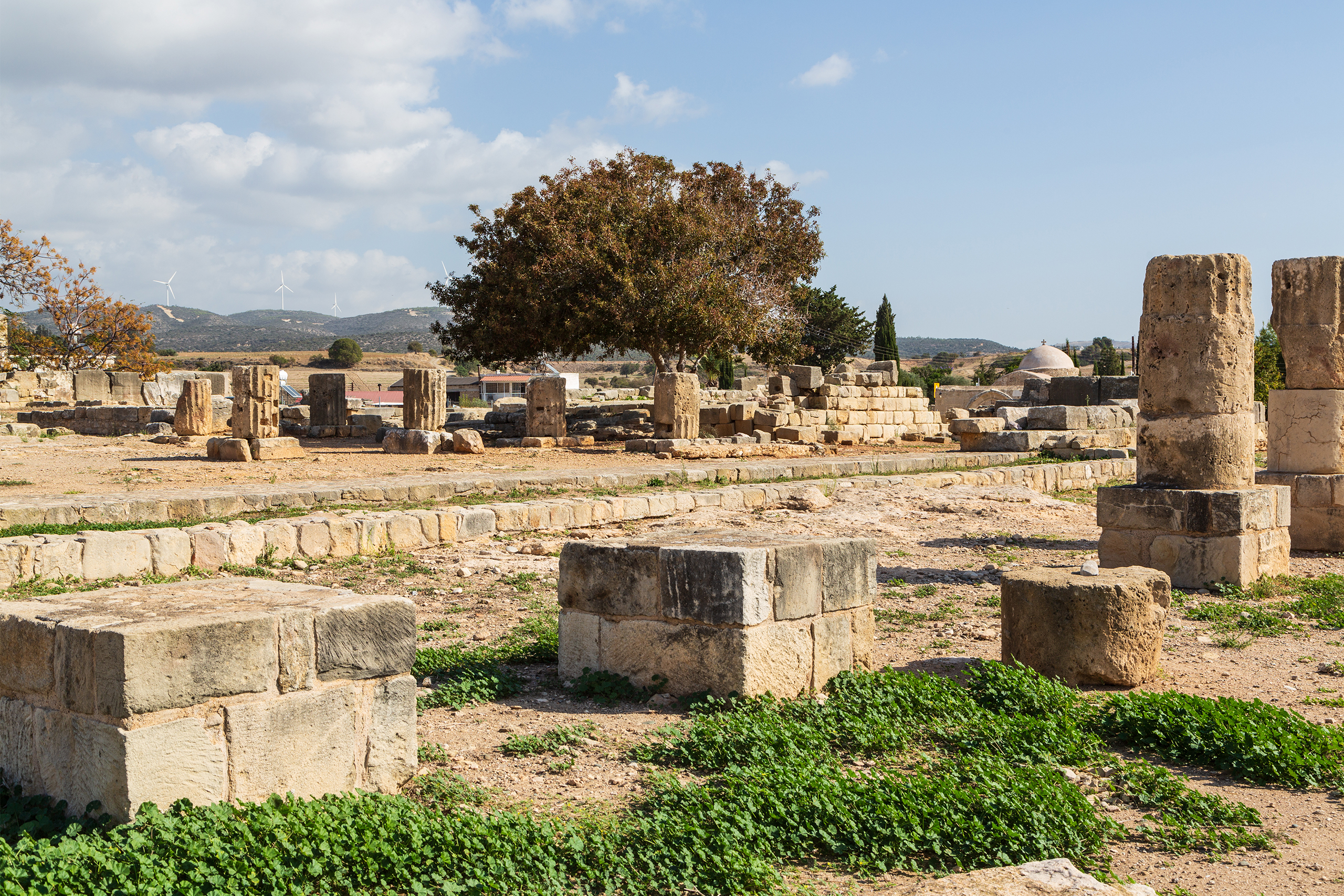
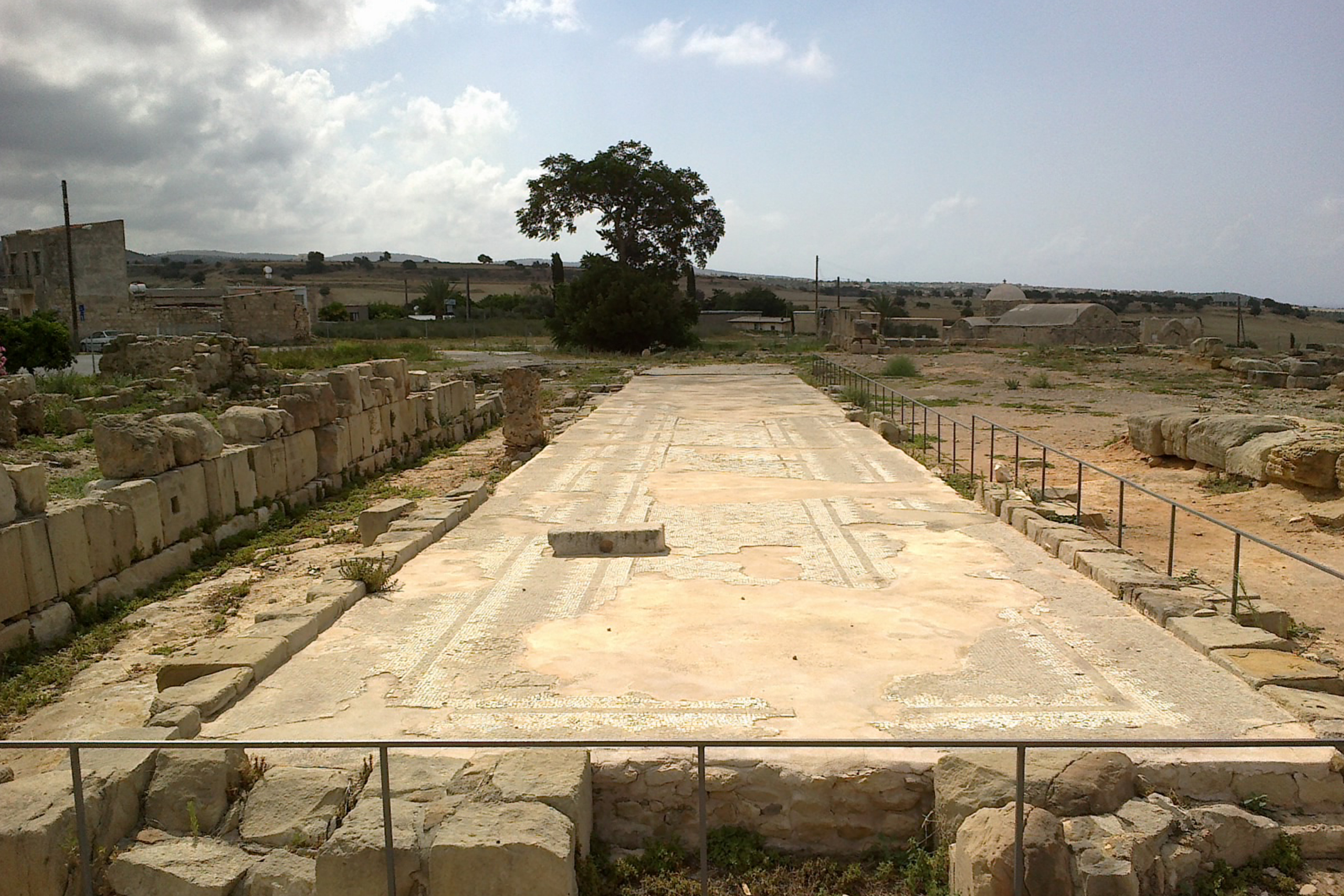
Near the village of Kouklia lie the ruins of Palaepaphos – Old Paphos – where the Sanctuary of Aphrodite once stood. This was one of the most important pilgrimage sites in the ancient world. Massive stone foundations and altars still mark where worshippers gathered for over 1,500 years, from the 12th century BC through the Roman period. The sanctuary became Cyprus’s first UNESCO World Heritage Site in 1980.
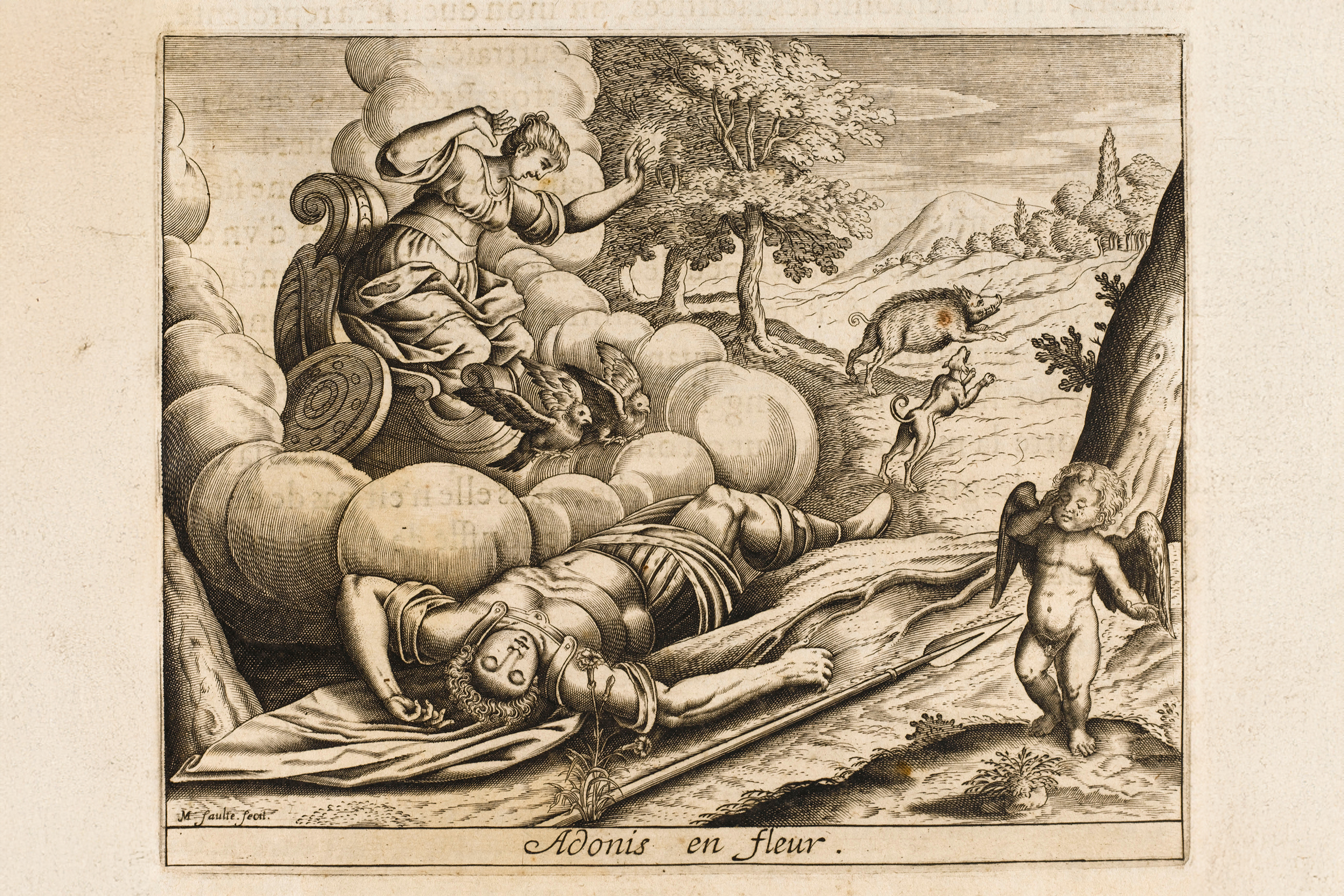
Further east, the ancient city of Amathus housed another major Aphrodite temple. Here the goddess was called Aphrodite Amathusia, and annual spring festivals called Adonia celebrated her mythical lover Adonis with dancing, singing, and ritual boar hunts. Legend claims this is where the Athenian hero Theseus abandoned princess Ariadne, who died in childbirth and was buried in a grove called “Wood of Aphrodite Ariadne.”
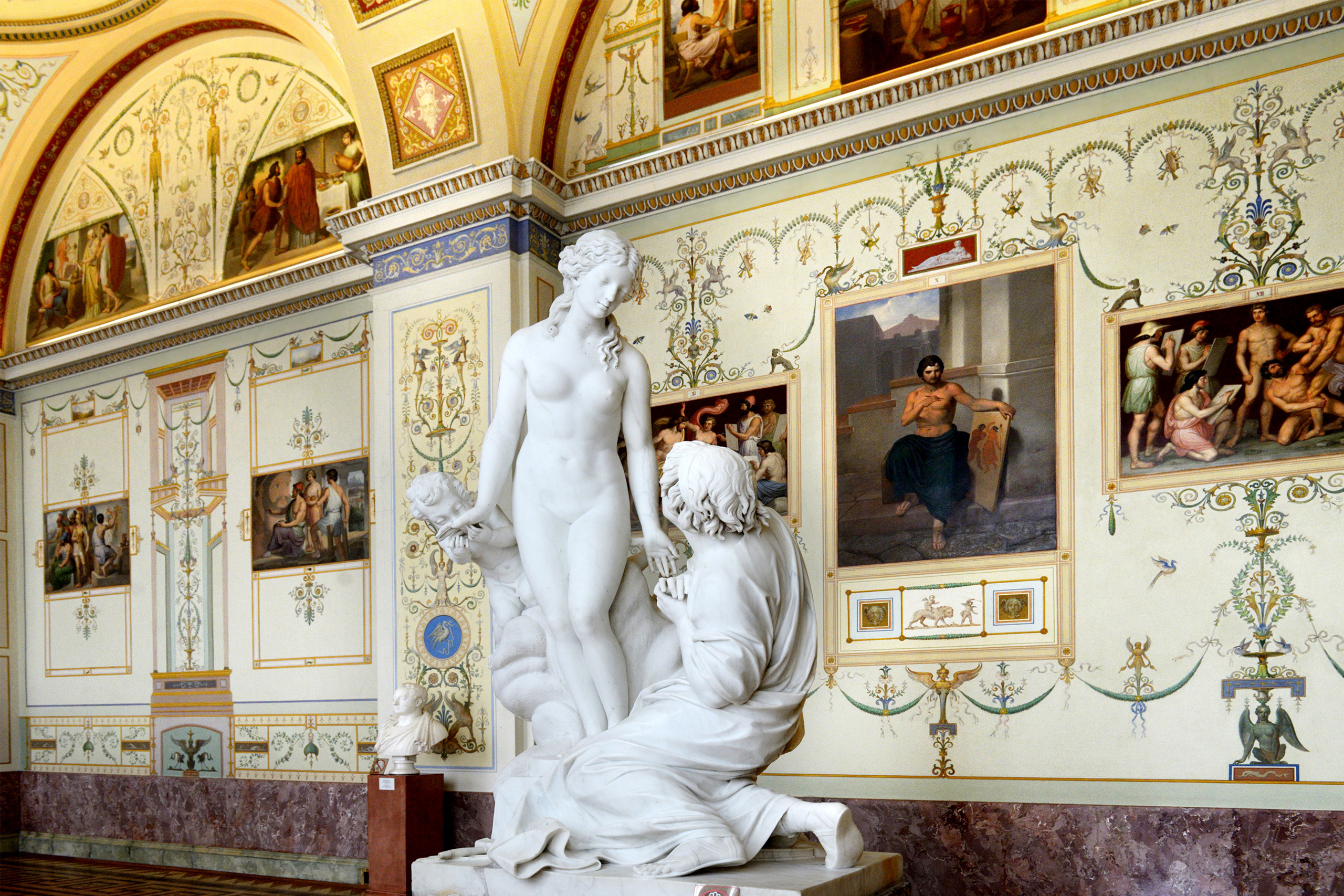
The island’s myths aren’t limited to Aphrodite. Cyprus is home to the legend of Pygmalion, the king-sculptor who fell in love with his own ivory statue and prayed to Aphrodite to bring her to life. The goddess granted his wish, animating the statue (named Galatea) who became his wife. Their daughter, Paphos, gave her name to the city that became the center of Aphrodite worship.
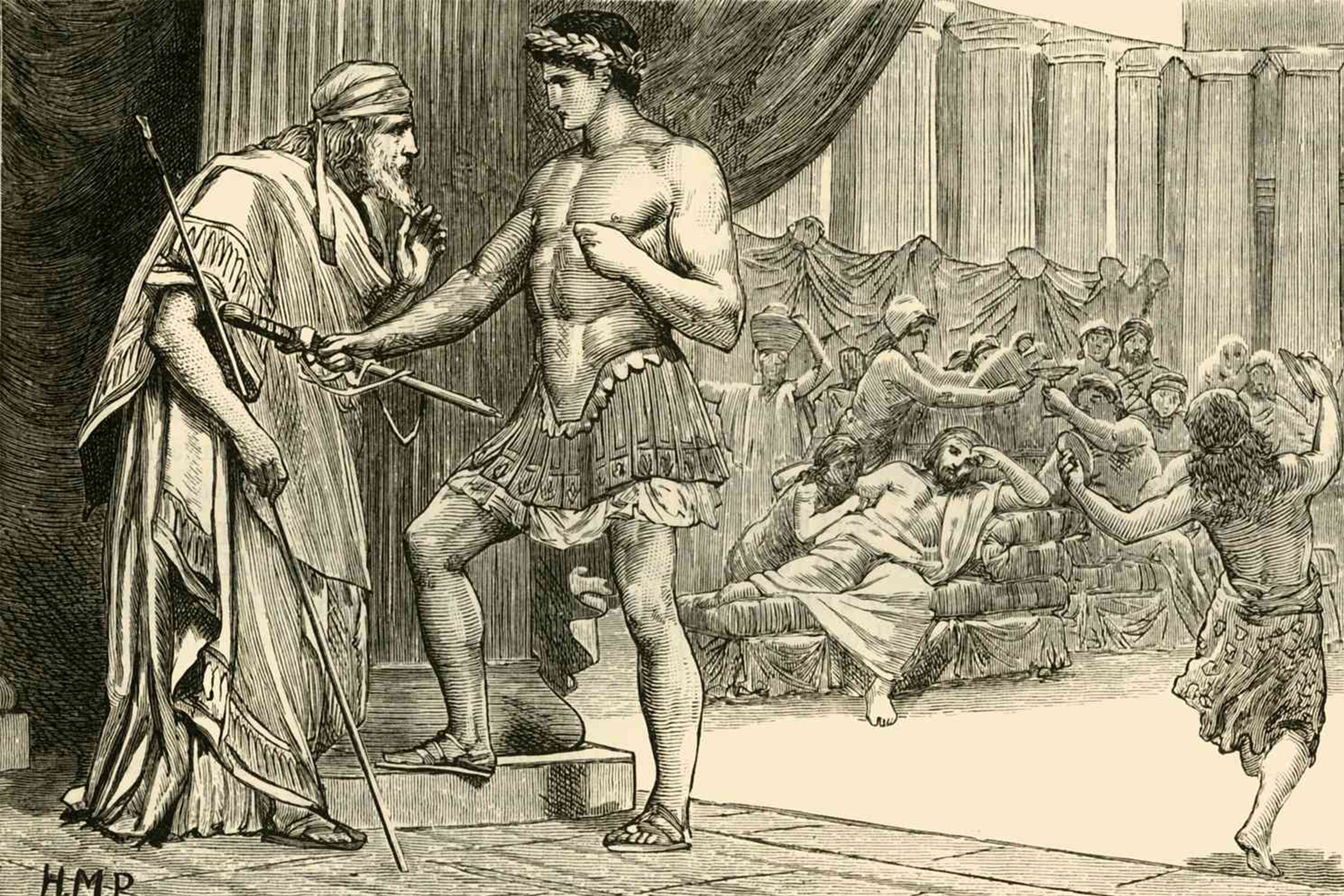
Then there’s the tragic story of King Kinyras, the legendary priest-king who introduced copper metallurgy to the island. According to myth, Kinyras was so wealthy he rivaled King Midas and served as Aphrodite’s first high priest. But when his daughter Myrrha, cursed by the goddess, fell in love with her own father and initiated a secret affair, the truth emerged and she fled Cyprus in shame. The gods transformed her into the myrrh tree, and from its bark was born Adonis – the beautiful youth who became Aphrodite’s greatest love.
Legends, Rituals, and Ancient Mysteries
● Aphrodisiac Swim. Local tradition holds that swimming around Aphrodite’s Rock three times will bring eternal love, beauty, or fertility. This has made the site a pilgrimage for newlyweds and romantics – though the seas here can be rough, and swimming isn’t always safe.
● Worship Centered on a Rock. Ancient worship at Paphos was unusual: there was no statue of the goddess. Instead, worshippers venerated a sacred black stone – aniconic worship that predated Greek influence. This mysterious stone was believed to embody the goddess’s presence directly.
● Incense, Not Animals. Offerings at the Sanctuary of Aphrodite were equally distinctive. Blood sacrifice was forbidden – instead, worshippers burned expensive imported Arabian incense and offered honey, oil, and wine. Archaeological evidence suggests ritual wine may have been mixed with opium, creating a mystical experience for pilgrims.
● Origin of Myrrh. The name “myrrh” comes directly from the myth of Myrrha. When she was transformed into a tree, the fragrant sap that oozed from the bark became the incense used in temples throughout the ancient world – including rituals honoring Aphrodite. The Greeks called both the princess and the resin smyrna.
The Deeper Meaning of Cyprus’s Myths
These myths served important cultural functions. Aphrodite’s birth on Cyprus explained why the island was so prosperous and fertile. If the goddess of love and growth was born here, of course the land would be blessed with abundant crops, rich copper deposits, and advantageous trade winds.
King Kinyras’s story connected Cyprus’s importance as a copper exporter to divine favor. By claiming a legendary king introduced metallurgy and served as Aphrodite’s priest, Cypriots linked their primary economic resource to religious authority, making Cypriot copper not just valuable, but sacred.
The tale of Myrrha and Adonis reflects ancient vegetation myths common throughout the Near East. Adonis – whose name comes from the Semitic “Adonai” meaning “lord” – dies each year and is reborn, symbolizing seasonal cycles. The Adonia festivals marked this death and rebirth with mourning followed by rejoicing.
These myths also reveal Cyprus’s position as a cultural crossroads. The Aphrodite worshipped here incorporated elements from Phoenician Astarte, Mesopotamian Ishtar, and Egyptian Hathor – all fertility goddesses – creating a uniquely Cypriot deity who then influenced Greek religion throughout the Mediterranean.
Living Myths in a Modern World
These ancient legends remain alive in contemporary Cyprus. The island promotes itself as “the birthplace of Aphrodite,” and the goddess’s image appears everywhere – on wine labels, tourist brochures, and Cypriot euro coins. In 2017, Paphos served as Europe’s Cultural Capital under the theme “Aphrodite – Island of Love.”
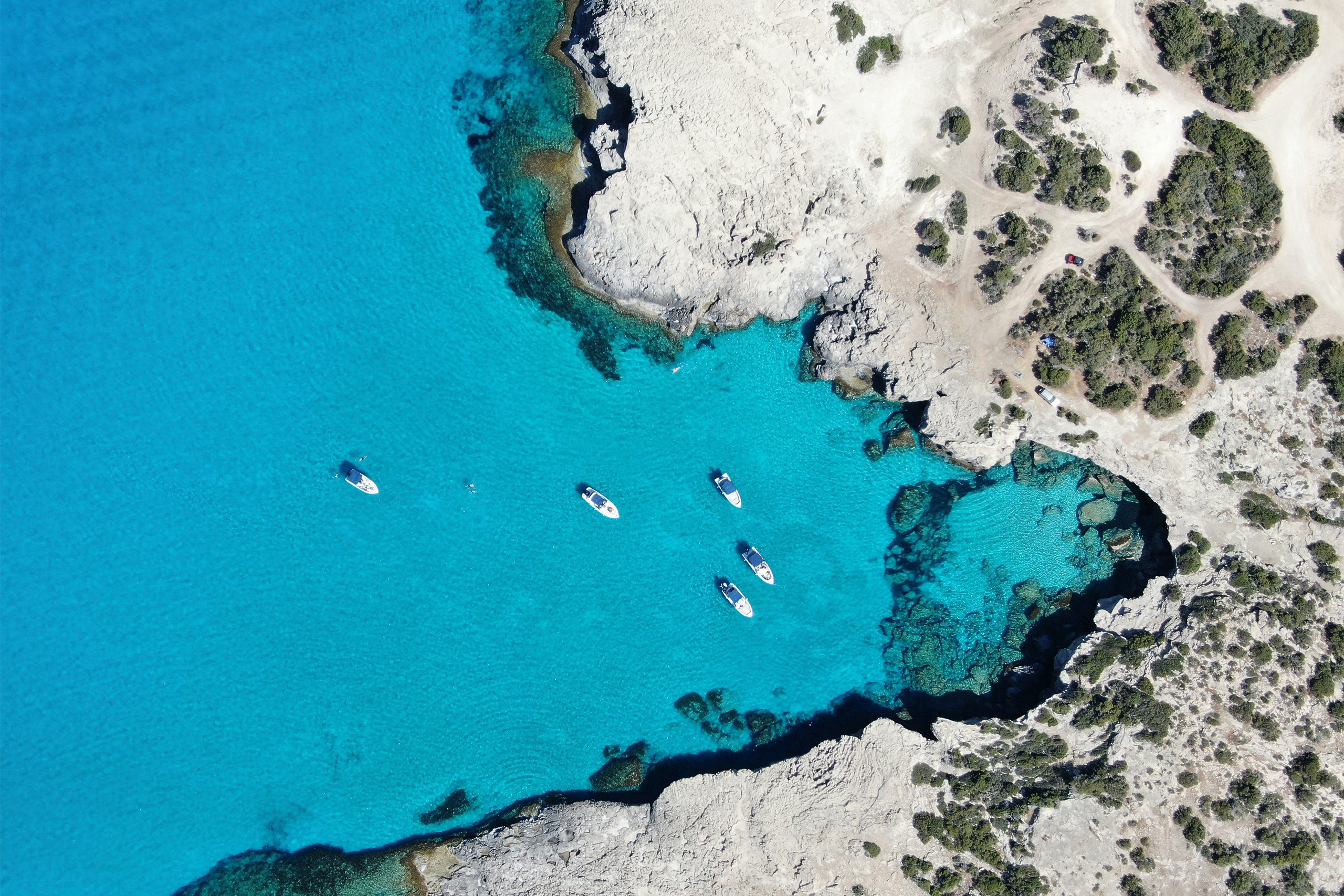
The myths have practical effects on tourism. Petra tou Romiou is one of Cyprus’s most photographed locations, with thousands of visitors annually. Many couples choose Cyprus for weddings or honeymoons specifically because of its romantic mythological associations – ancient storytelling translated into modern economic benefit.
Cypriot festivals often draw on these myths. Theatrical performances of Greek tragedies involving Aphrodite and Adonis take place in ancient amphitheaters. Wine festivals invoke ancient traditions, and the Cyprus Tourism Organization created a “Copper Cultural Route” connecting the metal’s mythological associations to historical mining sites.
More broadly, these myths shaped Western culture’s conception of romantic love. The idea that Venus brings lovers together, that Cupid’s arrows inspire passion, that roses symbolize romance – all trace back to Cypriot worship traditions. When we exchange roses on Valentine’s Day, we’re unknowingly participating in a ritual that began at the flower-filled sanctuary in ancient Paphos.
Exploring Mythic Sites Today
● Petra tou Romiou (Aphrodite’s Rock) is easily accessible by car along the coastal highway between Paphos and Limassol. There’s parking, beach access, and a visitor pavilion with information about the legend. The site offers dramatic photo opportunities, especially at sunset. Seas here are often rough – swimming is possible but challenging, and climbing the rock is prohibited.
● The Sanctuary of Aphrodite at Kouklia (Palaepaphos) is about 15 kilometers east of Paphos. The archaeological site is open daily for around €4.50. Walk among massive temple foundations, see ancient altars, and visit the excellent on-site museum housed in a medieval Lusignan manor. The museum displays artifacts and explains how pre-Greek fertility cults evolved into Aphrodite worship.
● The ruins of Amathus sit on cliffs overlooking the sea near Limassol. The site is freely accessible at all hours, perfect for sunset visits. Explore temple remains, ancient city walls, and enjoy sweeping coastal views. Information panels explain the site’s history and its connection to Aphrodite and Ariadne.
● The Copper Cultural Route offers a self-guided driving tour through the Troodos Mountains, including ancient open-pit mines, geological formations, and the Mining Heritage Museum in Katydata village. This museum recreates a 19th-century mine interior and displays ancient tools, connecting geological reality to mythological blessing.
Many tour operators offer themed excursions like “Following Aphrodite” or “Mythological Cyprus” combining multiple sites in a single day. Alternatively, renting a car and exploring independently gives you freedom to linger at sites that capture your imagination.
Why Cyprus’s Myths Still Matter
Understanding Cyprus’s mythological heritage means understanding how the ancient world made sense of extraordinary places. This small island’s natural beauty, mineral wealth, and strategic importance seemed to demand divine explanation – and the stories invented to explain it have outlasted empires.
When you stand at Aphrodite’s Rock or walk through the ruins of her sanctuary, you’re connecting with narratives that have shaped Western art, literature, and concepts of love for thousands of years.
These myths transformed Cyprus from a geographical location into an idea – a place where the divine touches the human, where beauty is born from the sea, and where love itself has a home. That transformation, more than any single temple or legend, is Cyprus’s true mythological legacy.