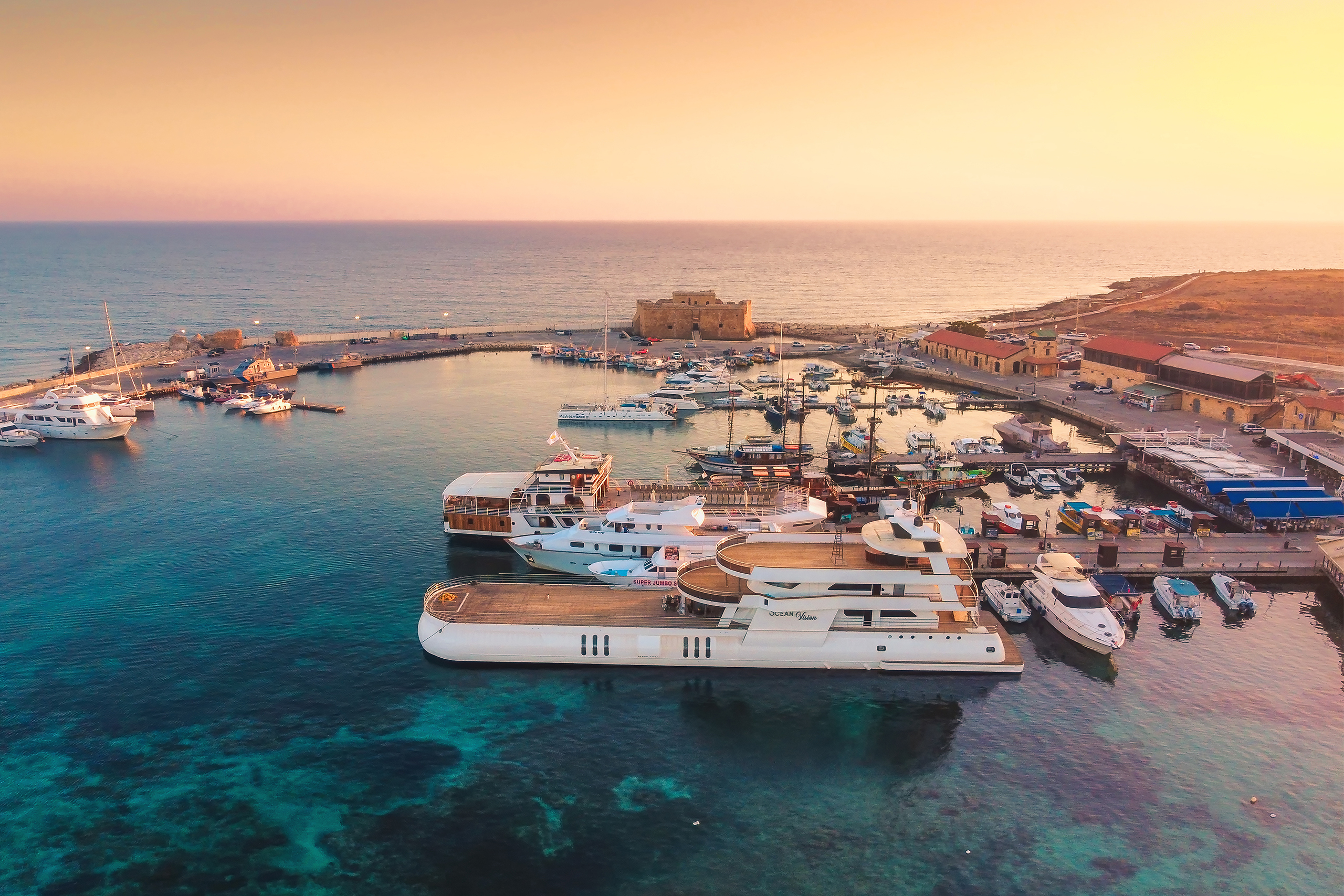
Lines and Nets: Fishing Traditions of Cyprus
Fishing has shaped life along the Cypriot coast for thousands of years. From small family boats setting out before sunrise to modern vessels working farther offshore, the way fish are
 English
 Greek
Greek German
 Russian
English Greek German Russian
Russian
English Greek German RussianFishing has shaped life along the Cypriot coast for thousands of years. From small family boats setting out before sunrise to modern vessels working farther offshore, the way fish are
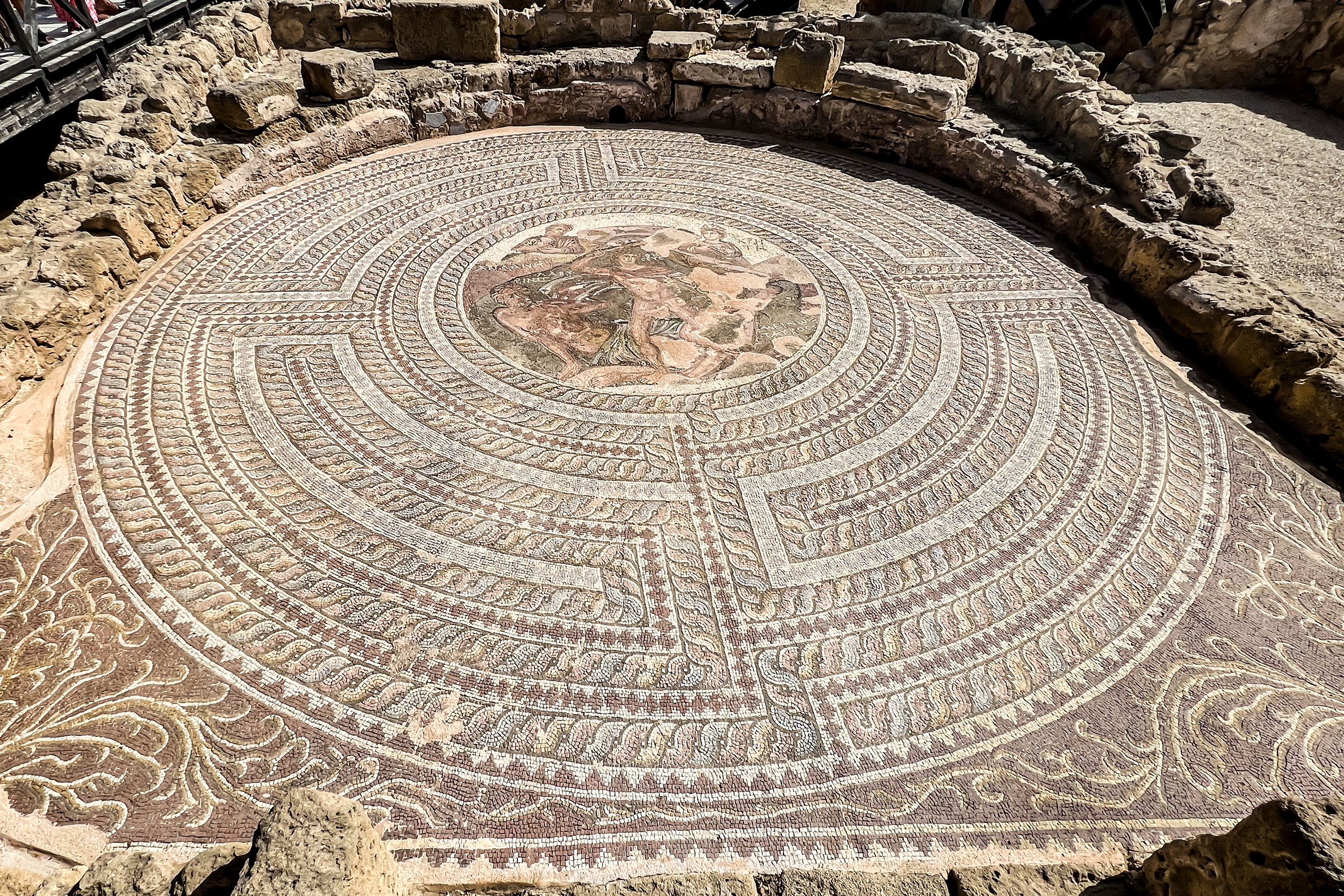
Nea Paphos Archaeological Park preserves the heart of an ancient city that served as the capital of Cyprus for over 600 years. Located on the southwestern coast near modern Paphos,
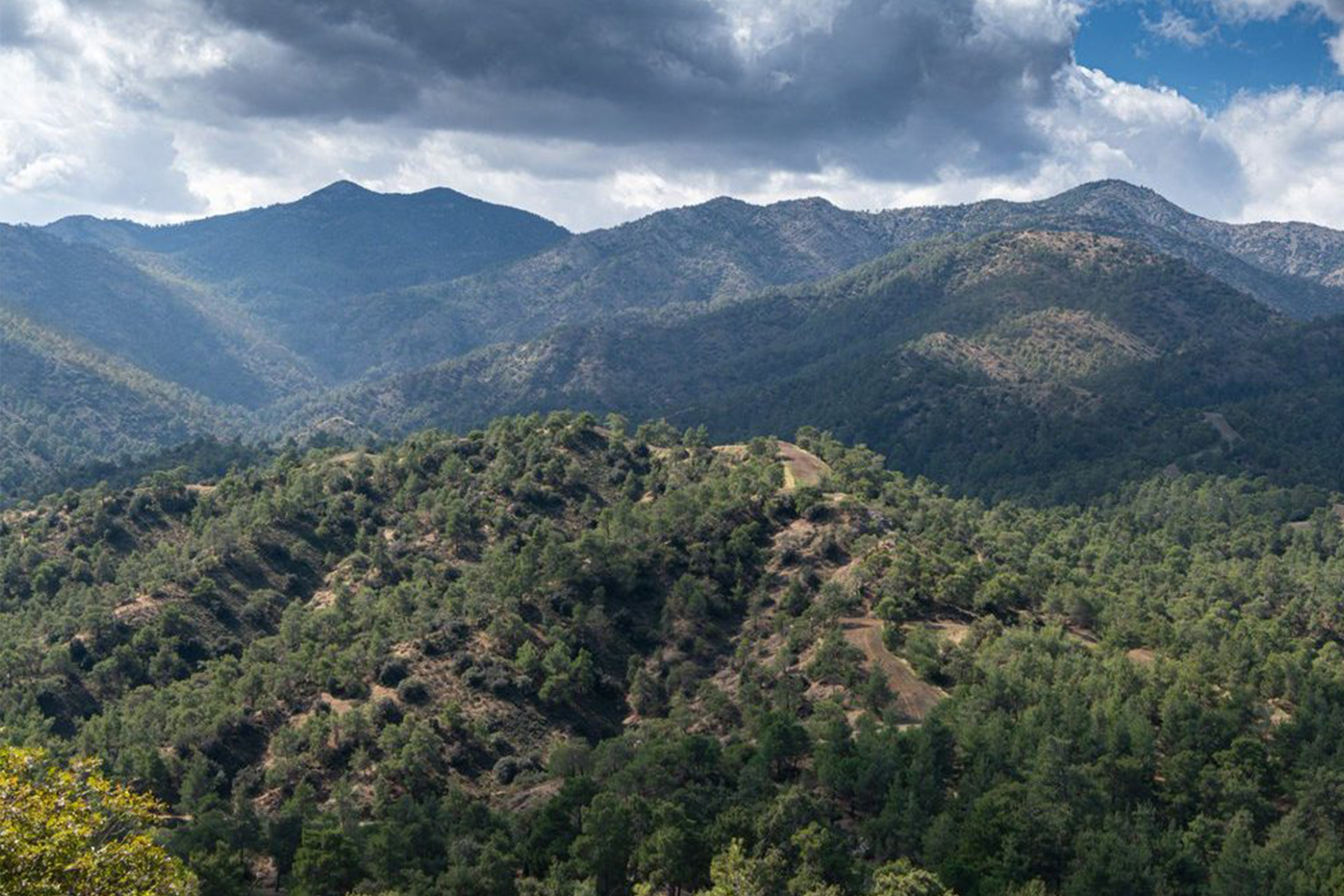
The National Forest Park of Machairas protects one of Cyprus’s most important natural areas through 6,057 hectares of Mediterranean forest. It supports over 600 plant species and serves as the
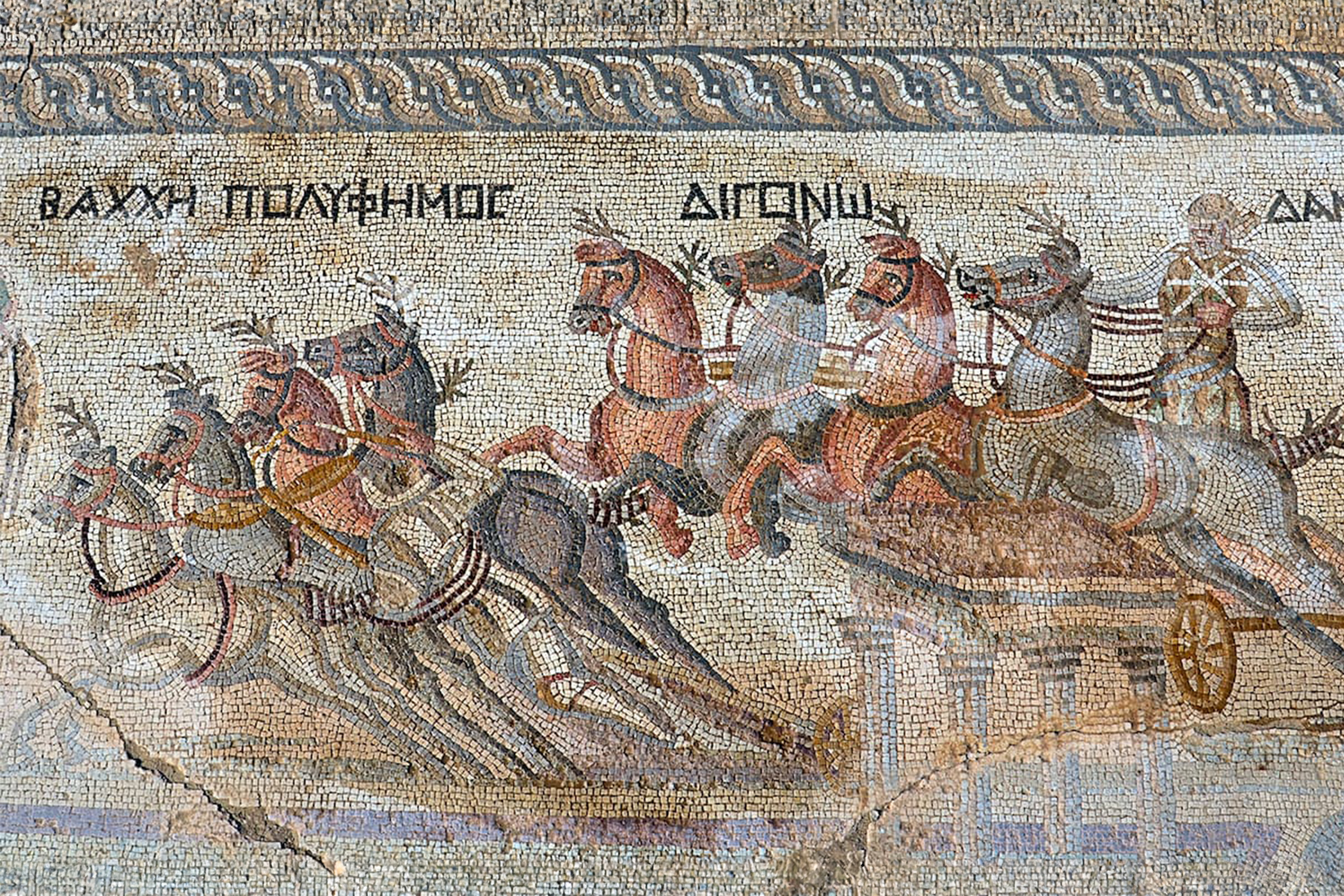
Narrative Storytelling Through Sequential Imagery in Cypriot Art involved the use of connected visual elements to convey myths, rituals, or sacred events within limited spaces such as walls or floors.
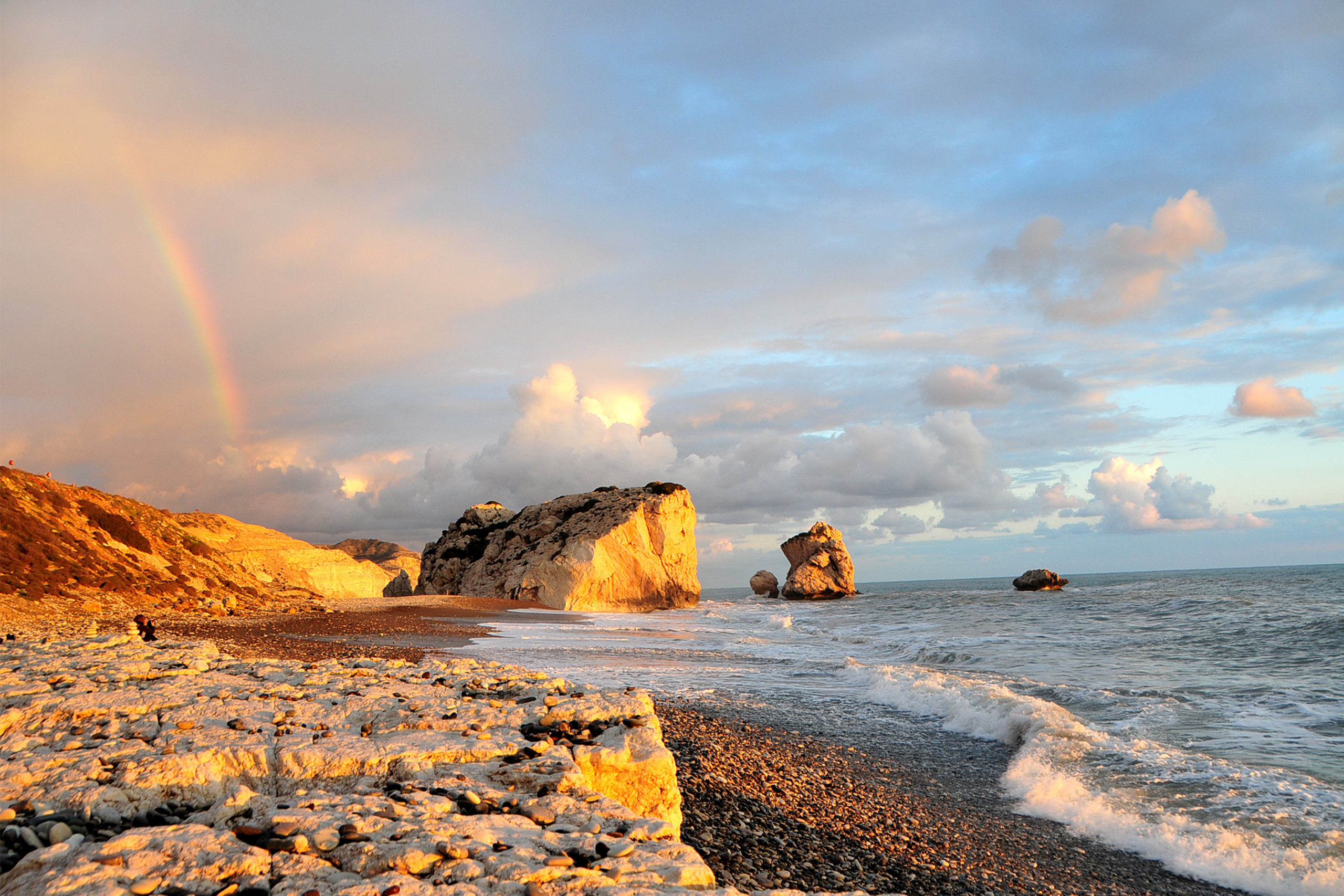
Cyprus isn’t just an island of beaches and ancient ruins – it’s the legendary birthplace of Aphrodite, the goddess of love and beauty. For thousands of years, pilgrims, poets, and
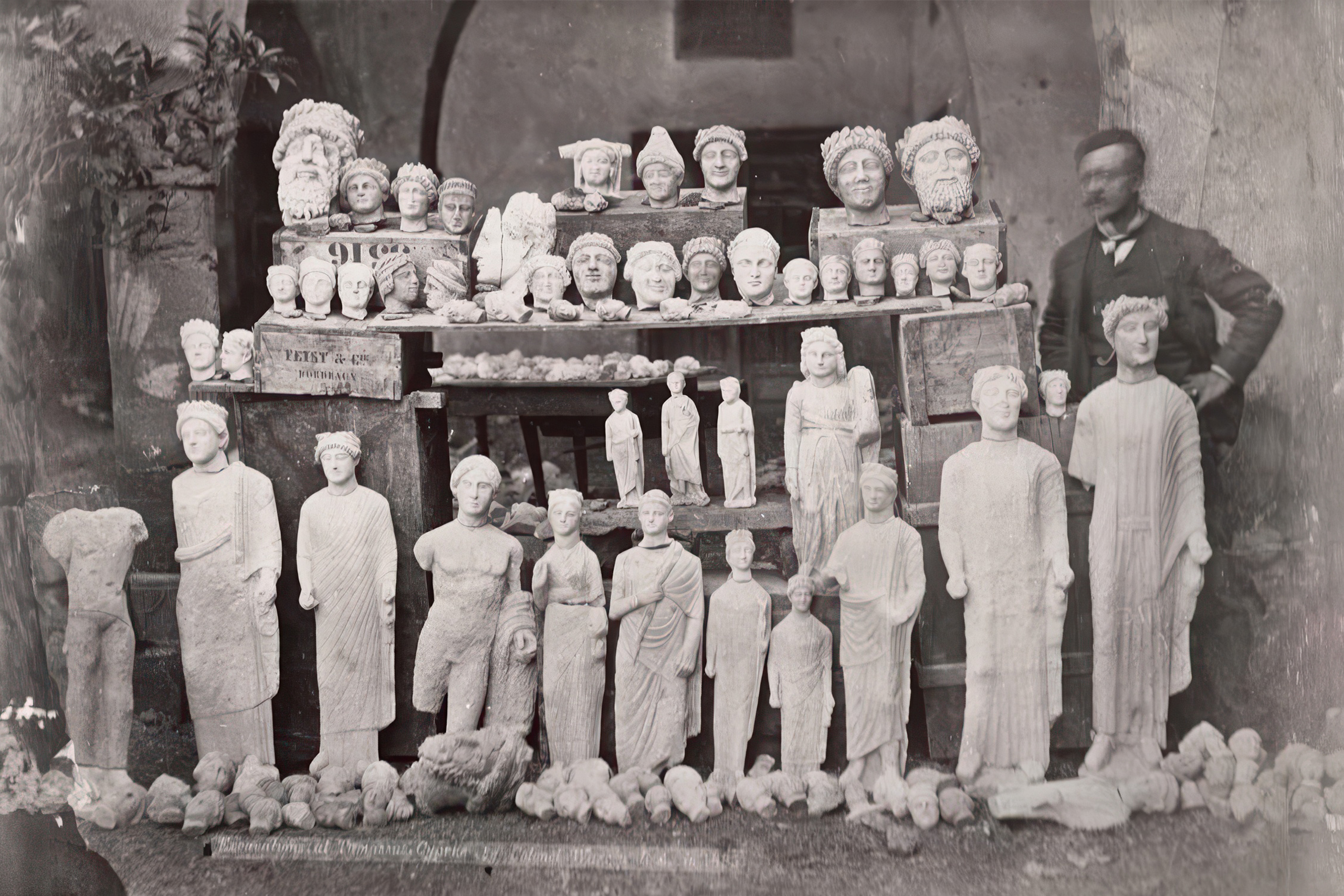
In ancient Cyprus, the mythical heroic ancestors of Tamassos were revered as semi-divine founders and protectors, linking the city’s copper-rich lands to gods like Aphrodite and epic Greek heroes. These
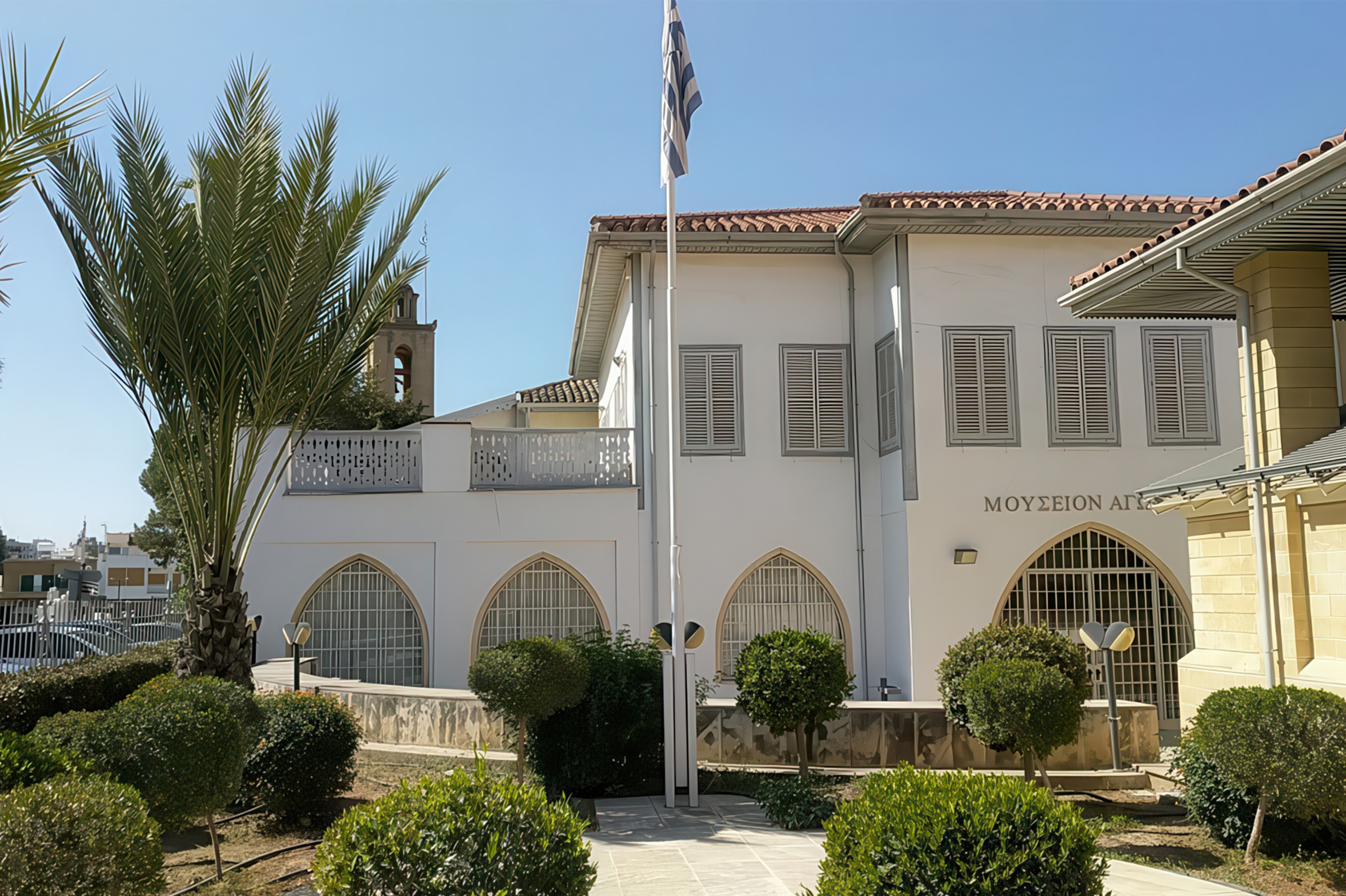
The Museum of National Struggle opened in 1961, just two years after the end of the liberation struggle. Former EOKA fighter Christodoulos Papachrysostomou founded the institution following a decision by
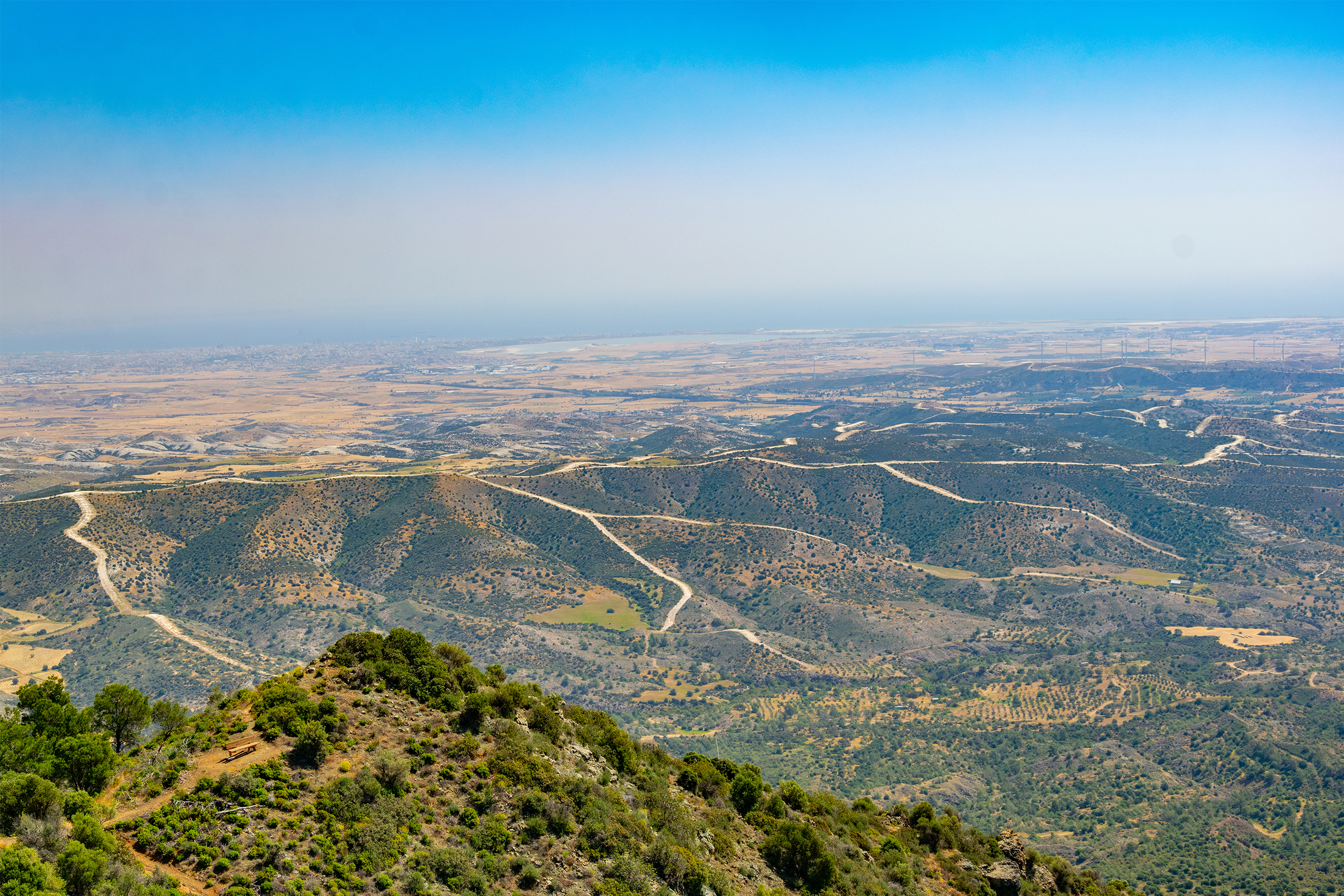
Rising 689 meters above the Mesaoria plain, Mount Stavrovouni has been a sacred site for over 2,000 years. The name derives from two Greek words: stavros (cross) and vouno (mountain),
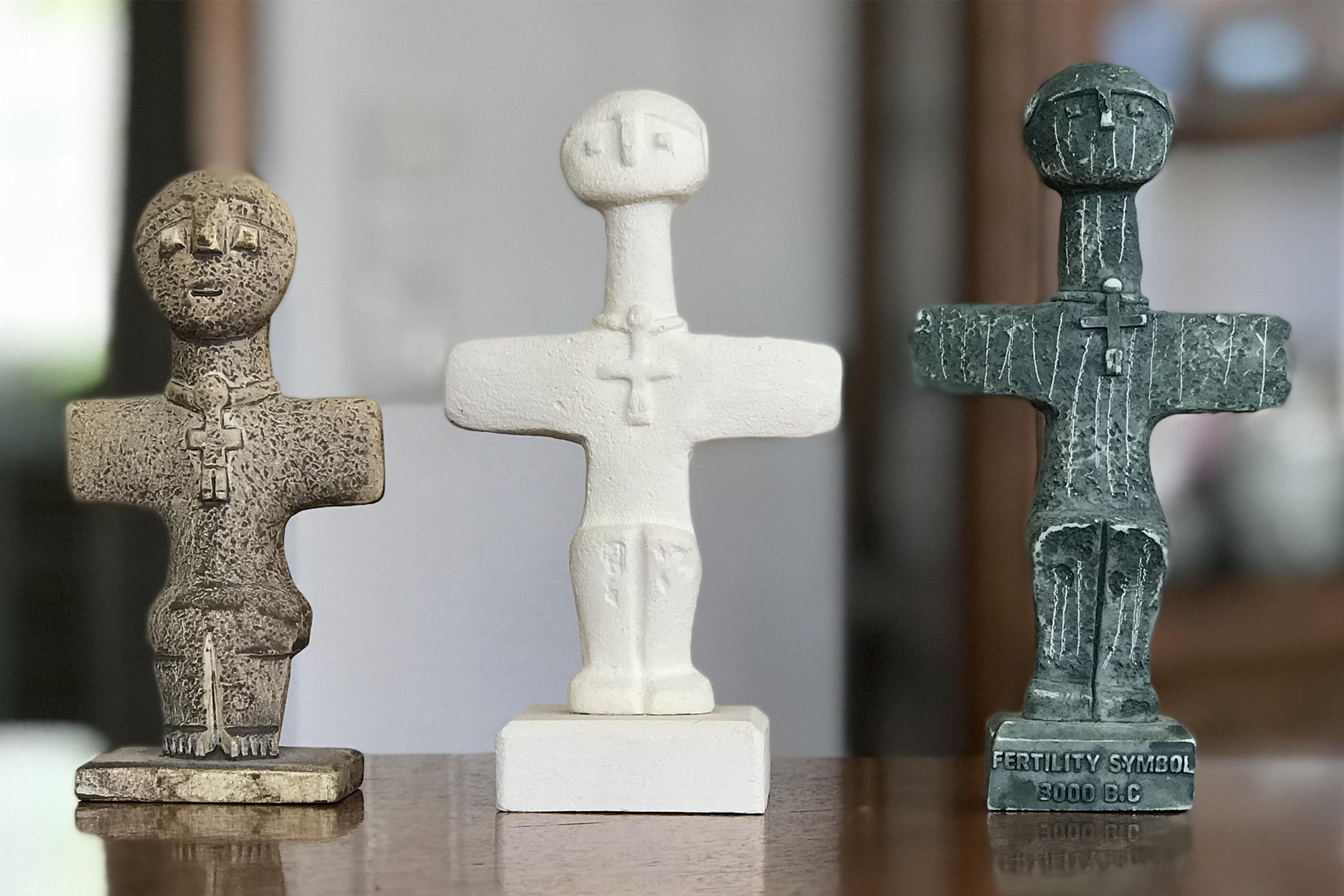
Material Symbolism (Stone, Bronze, Gold, Glass) in ancient Cypriot art reflected deliberate choices where each substance carried layers of spiritual, social, and economic significance. Stone embodied enduring strength drawn from
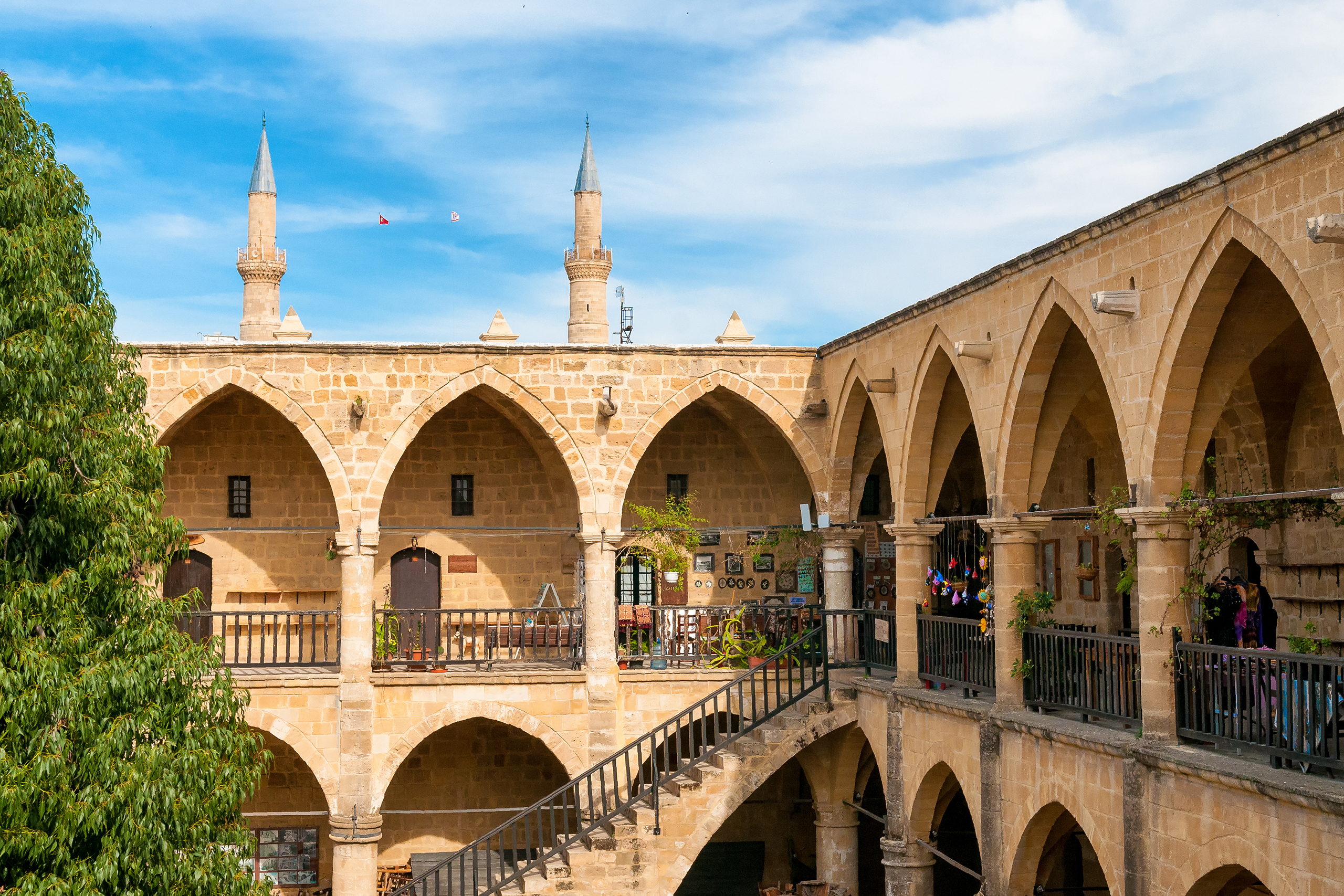
The Omeriye Mosque stands in the old walled city of Nicosia as one of the most significant Islamic buildings in the Greek Cypriot sector of the divided capital. The site
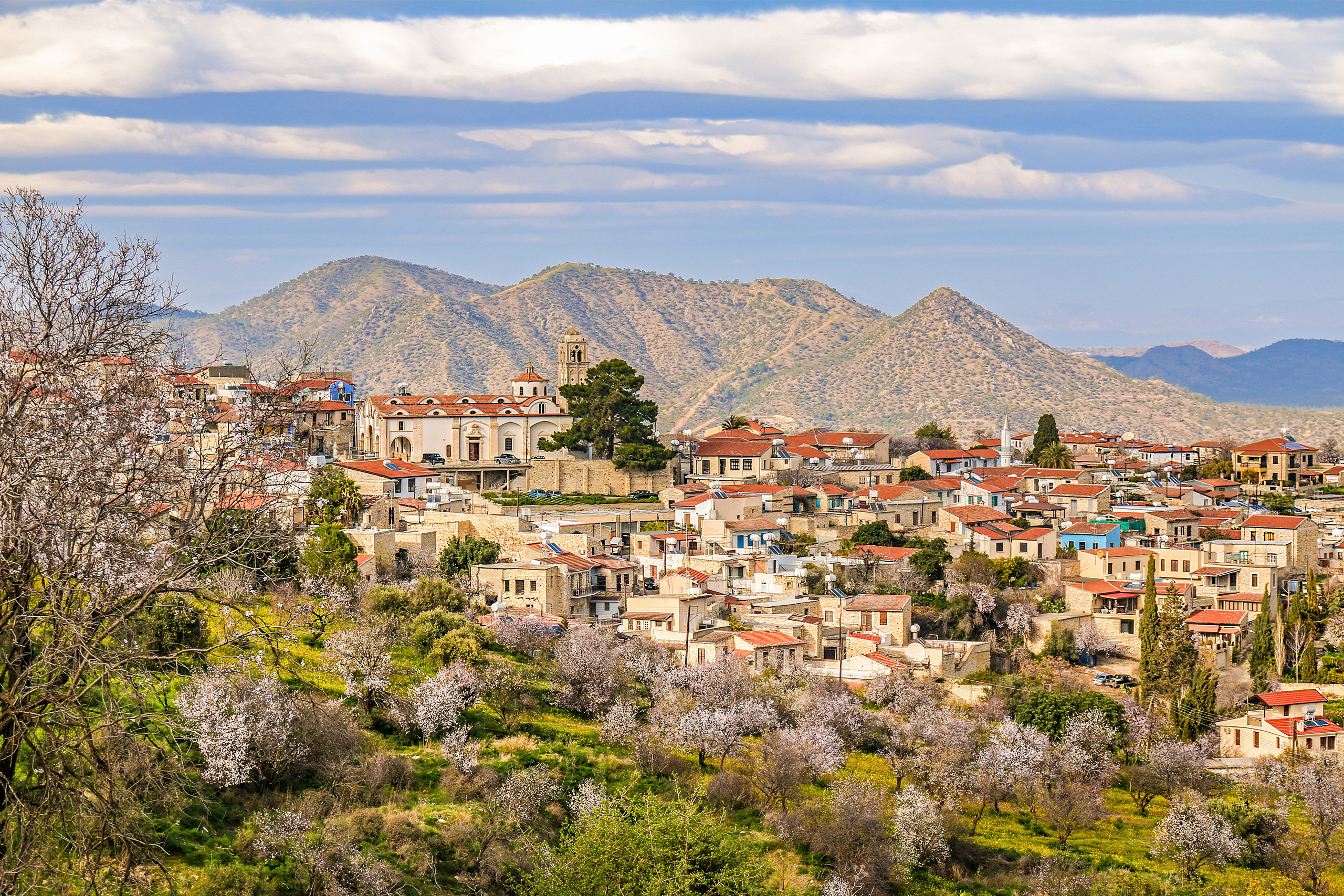
Lefkara is a traditional village in southeastern Cyprus known for its long history of fine lace-making and skilled silversmithing. Located on the southern slopes of the Troodos Mountains, the village
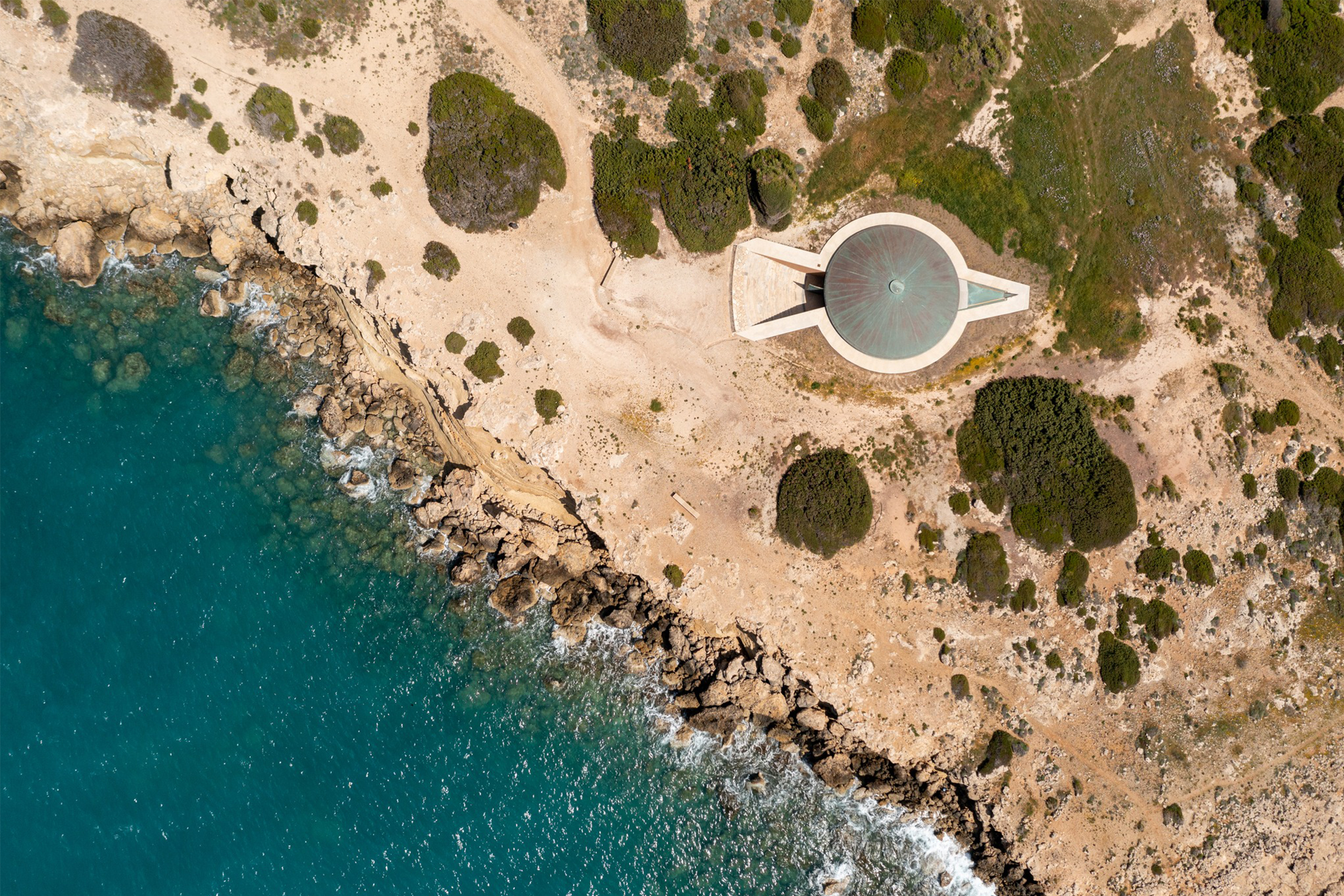
Maa-Palaiokastro is an important site in Cyprus’s history. This Late Bronze Age settlement on the western coast near modern Paphos shows the arrival of Mycenaean Greeks to the island around