 English
 Greek
Greek German
 Russian
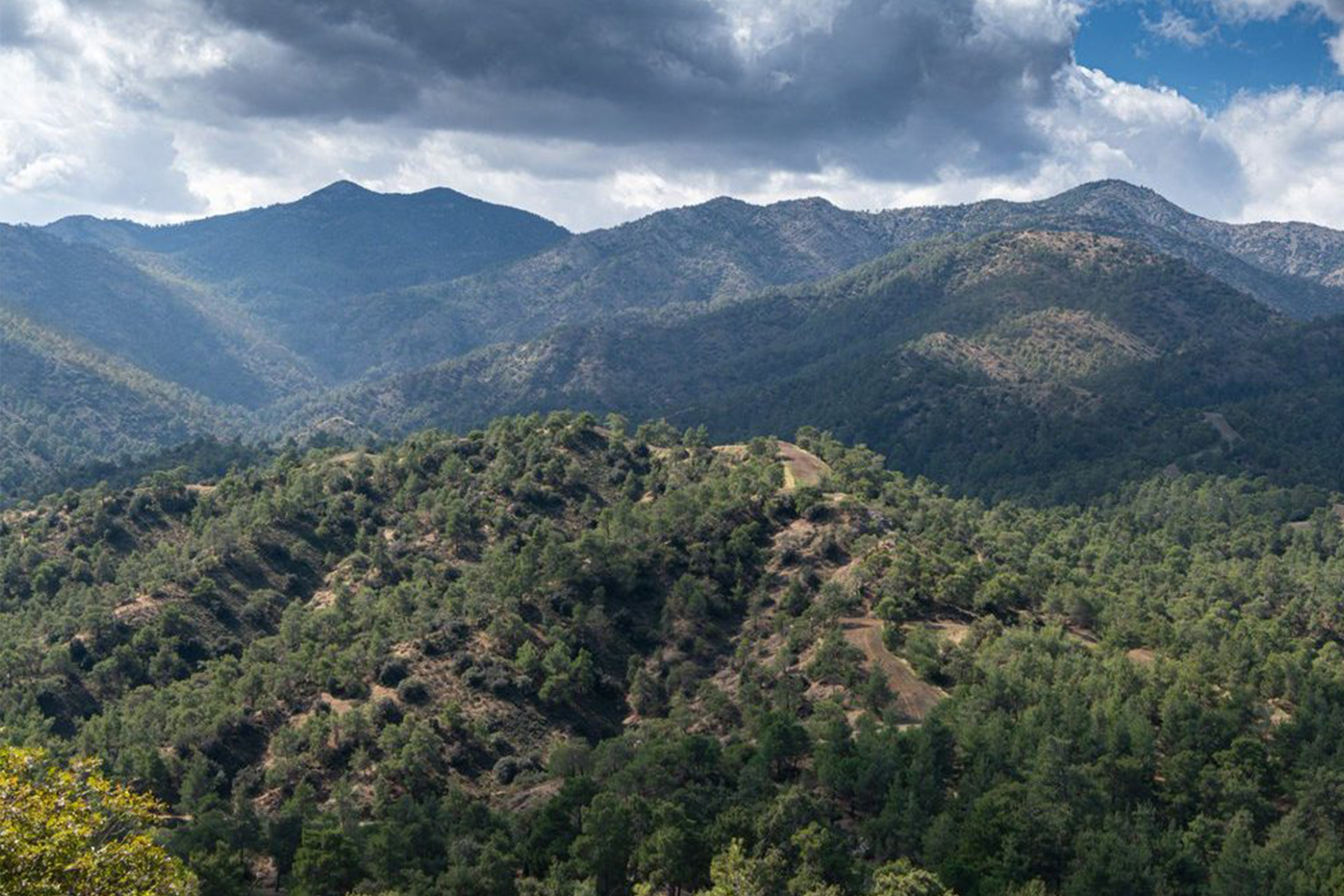
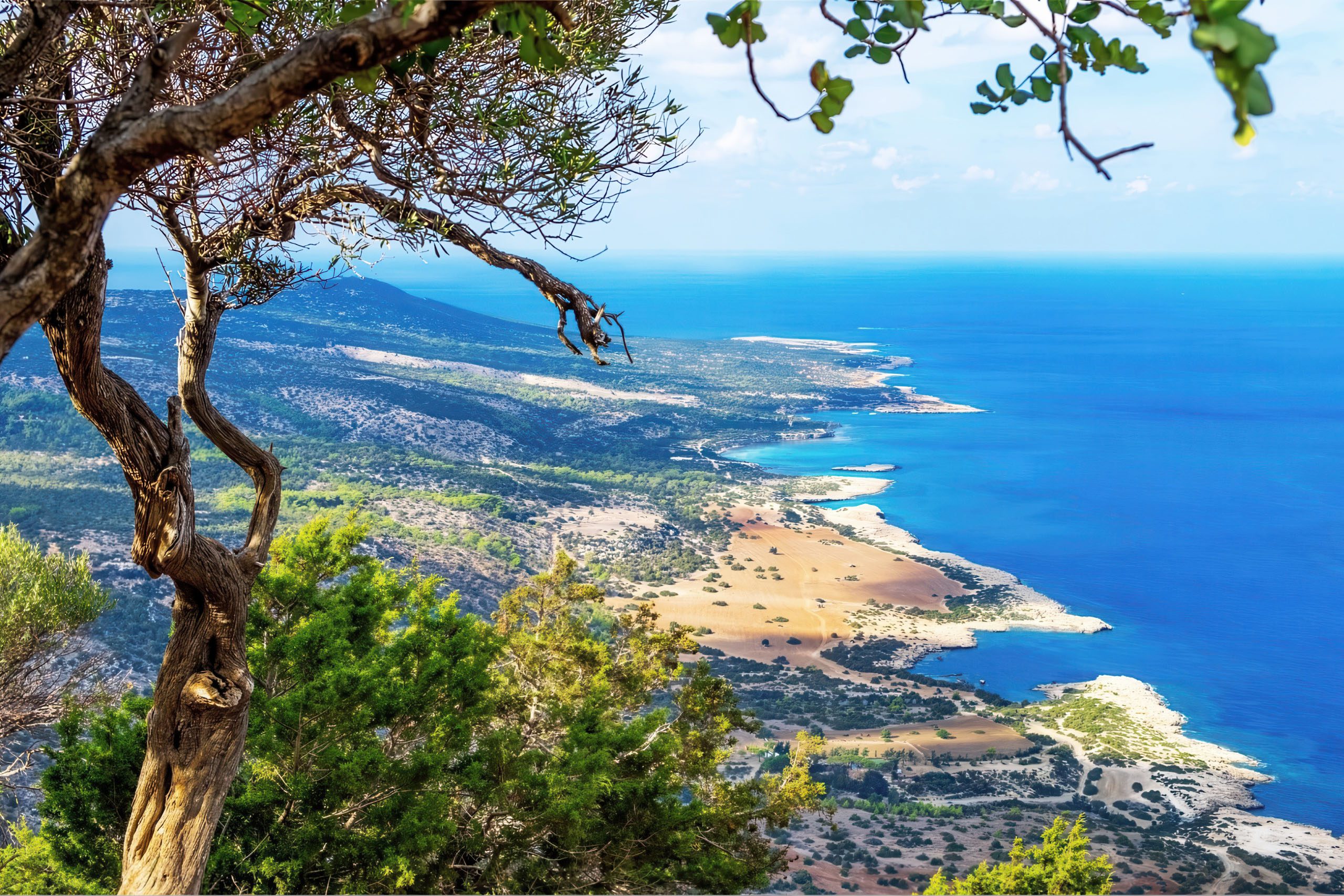
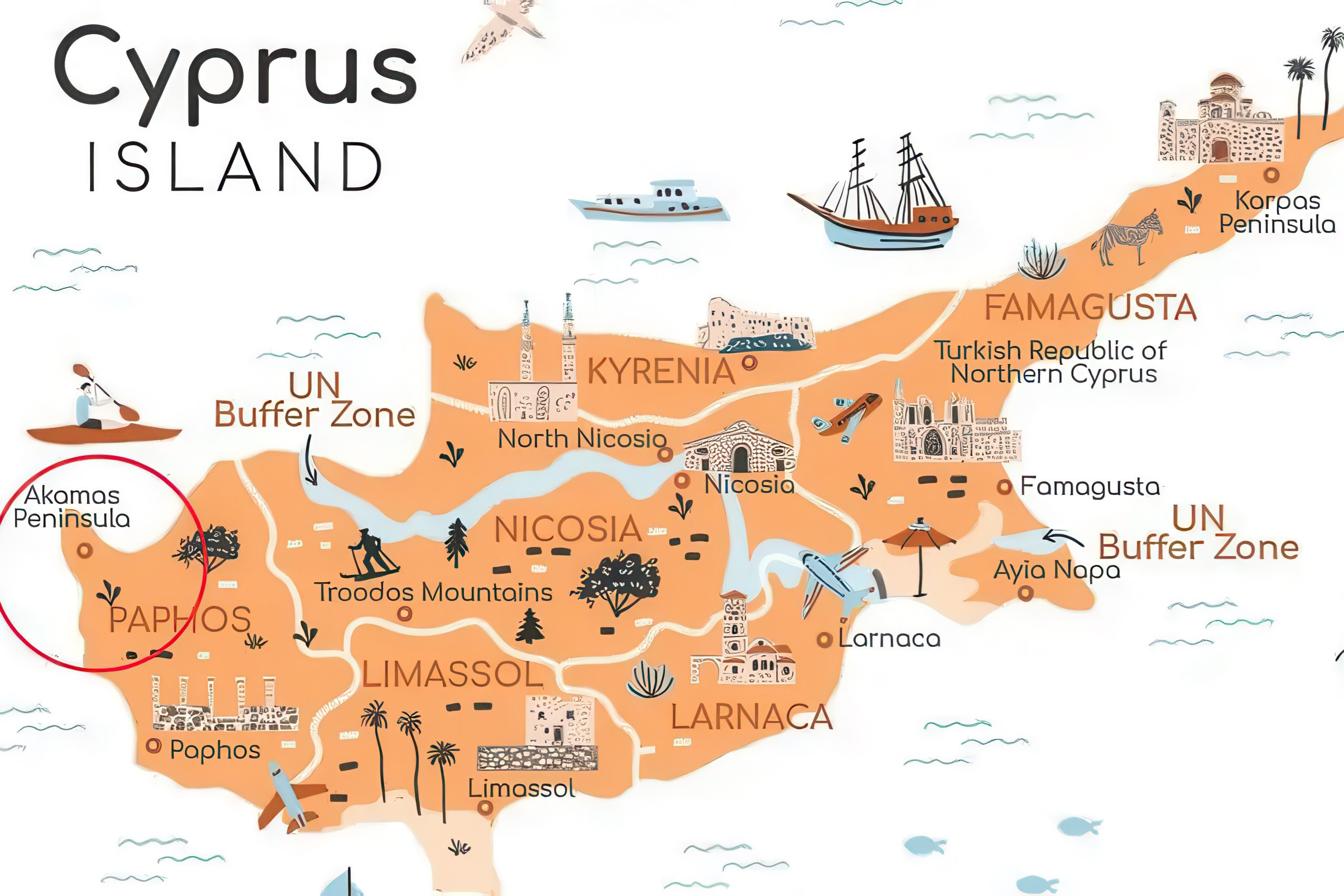
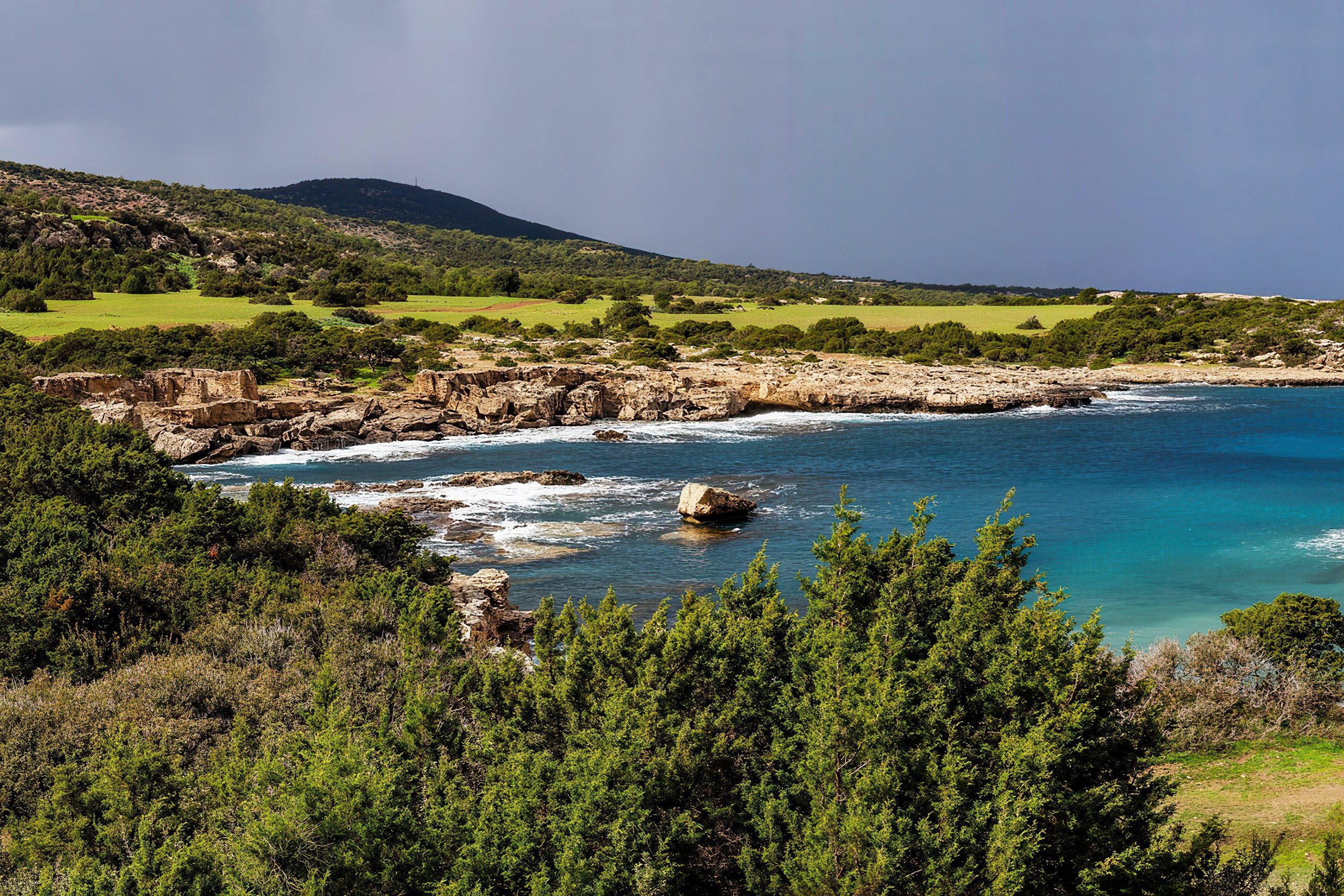
Akamas Peninsula National Park occupies the northwestern tip of Cyprus, beginning just north of Paphos and extending to Cape Arnaoutis. The landscape ranges from golden beaches and dramatic coastal cliffs to arid plains covered in Mediterranean scrub and mountain forests of pine and juniper. Deep gorges carved by seasonal rivers cut through the limestone terrain. No paved roads cross most of the interior, and large parts of the peninsula remain uninhabited. The area takes its name from Akamas, a son of the mythological hero Theseus, who is said to have founded the ancient city of Soli after fighting in the Trojan War.
Historical Background
Until the year 2000, the British military used Akamas for training exercises and as a firing range. Under the 1960 Treaty of Establishment, the British Army was permitted to use the peninsula for up to 70 days each year. This military presence indirectly helped preserve the region by preventing major development. After the British withdrawal, conservation groups and the Cyprus government began working toward formal protected status.
In preparation for Cyprus joining the European Union, most of Akamas was included in the Natura 2000 network between 2003 and 2009. Two turtle nesting beaches were designated as Sites of Community Importance. The Polis–Gialia area received Special Area of Conservation status, and the entire peninsula became a Special Protection Area for birds. However, only about half of the land originally proposed for protection received final designation.
The region still faces pressure from tourism expansion and proposed infrastructure such as the A7 motorway between Polis and Paphos. Environmental organizations continue to push for stronger legal protection. The government has committed to declaring the area a National Forest Park, though implementation has faced delays due to private land ownership and policy disputes. Since 2017, multiple deliberate fires have been reported in or around the protected zone, with officials linking some cases to economic interests opposing stricter protection.
Exceptional Plant Diversity
Akamas supports more than 600 plant species across its varied habitats. Of the 128 plant species endemic to Cyprus, 39 grow only on this peninsula. These include rare orchids such as Ophrys kotschyi and Ophrys lepethica, the Cyprus cyclamen with its pink flowers, and the autumn-blooming Crocus veneris. The strawberry tree with edible red fruits grows in forested areas, while peonies bloom across hillsides in spring.
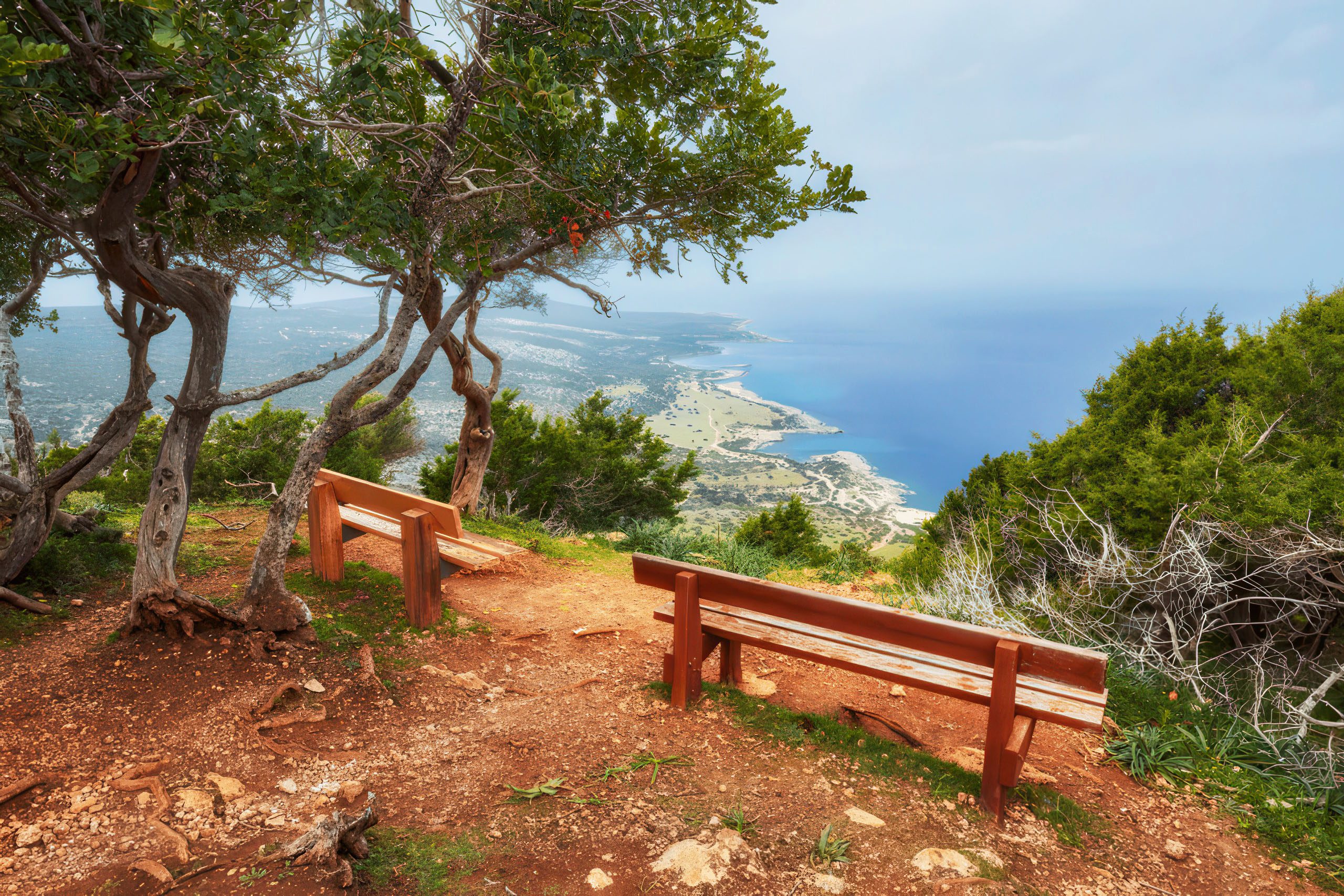
The endemic Cyprus tulip, Tulipa cypria, appears in rocky zones. Several Centaurea species, including Centaurea akamantis and Centaurea veneris, are found nowhere else in the world. Plant communities change with elevation and exposure. Coastal cliffs host salt-tolerant plants, dry plains feature herbs like thyme, sage, and oregano, and higher slopes support pine forests. Seasonal streams allow plane trees, oleanders, and wild carob to grow.
Wildlife in a Protected Refuge
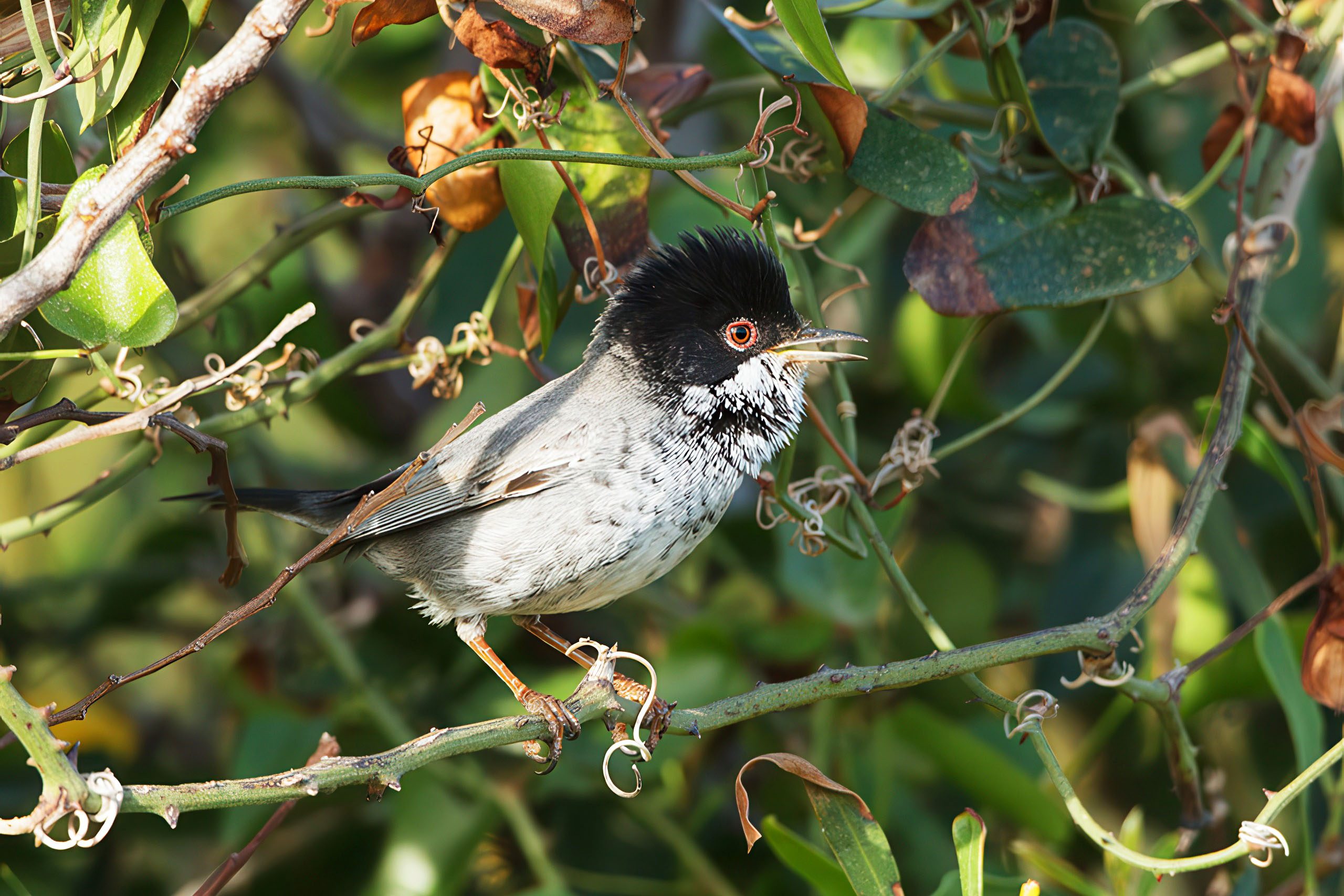
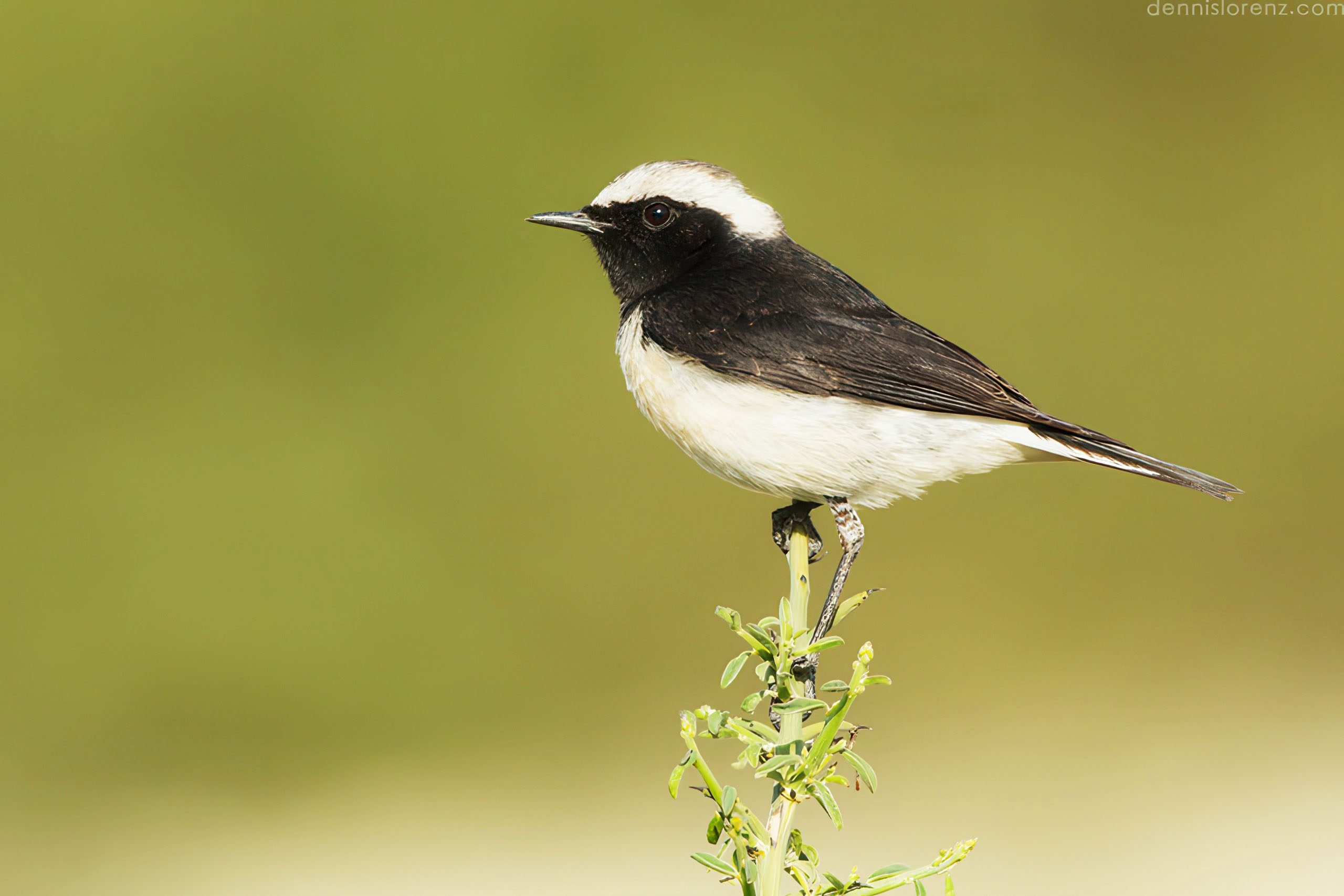
More than 168 bird species have been recorded in Akamas, making it one of Cyprus’s most important birding regions. The peninsula is a key stopover for migratory birds traveling between Europe and Africa. Resident species include the Cyprus warbler and the Cyprus wheatear, both endemic to the island. Bonelli’s eagle breeds in the mountainous areas.
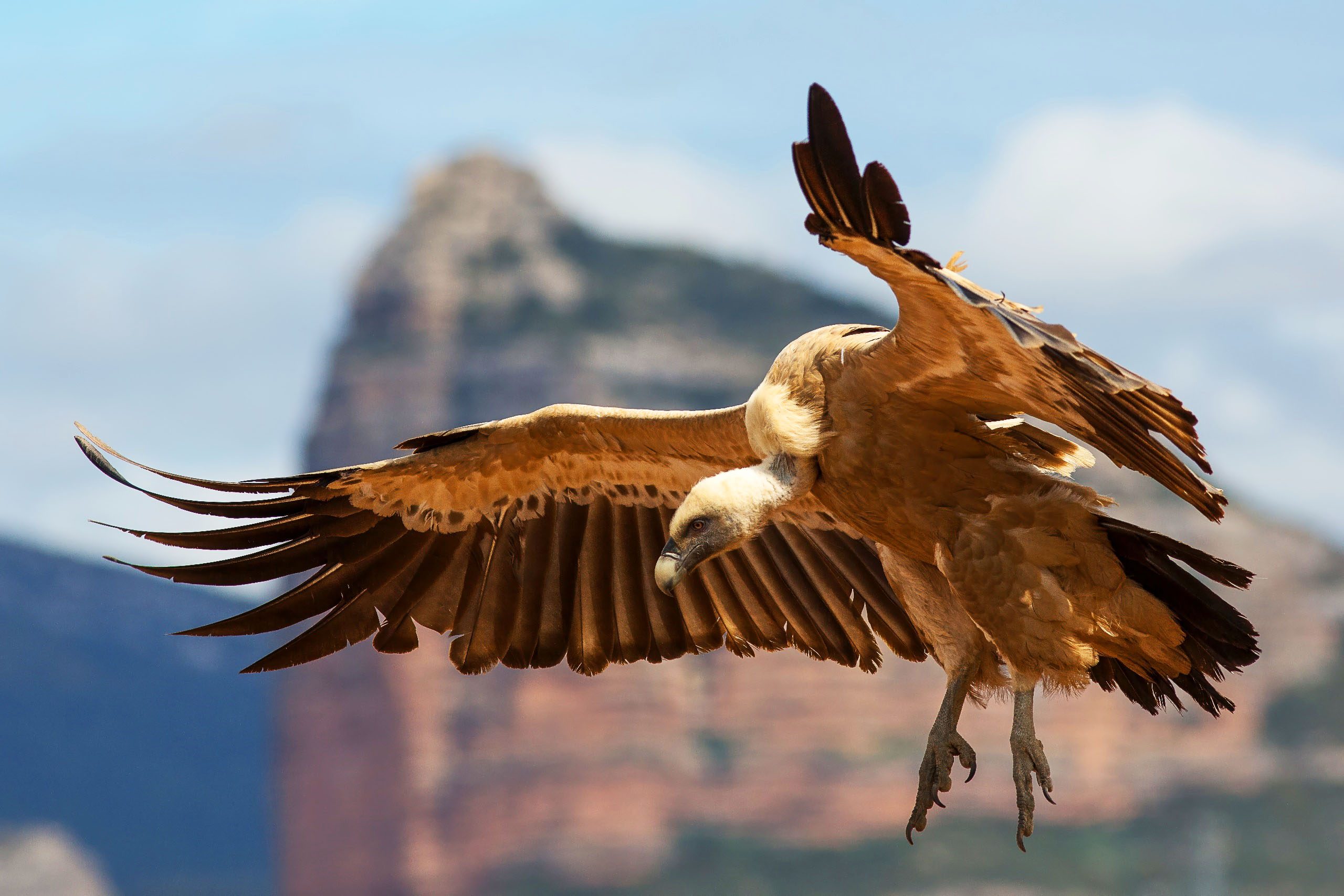
Griffon vultures, once widespread across Cyprus, now survive mainly in the Akamas region. These large birds nest on cliff faces and ride thermal air currents. The endangered Egyptian fruit bat forms colonies in limestone caves across the peninsula and has been featured in wildlife documentaries.
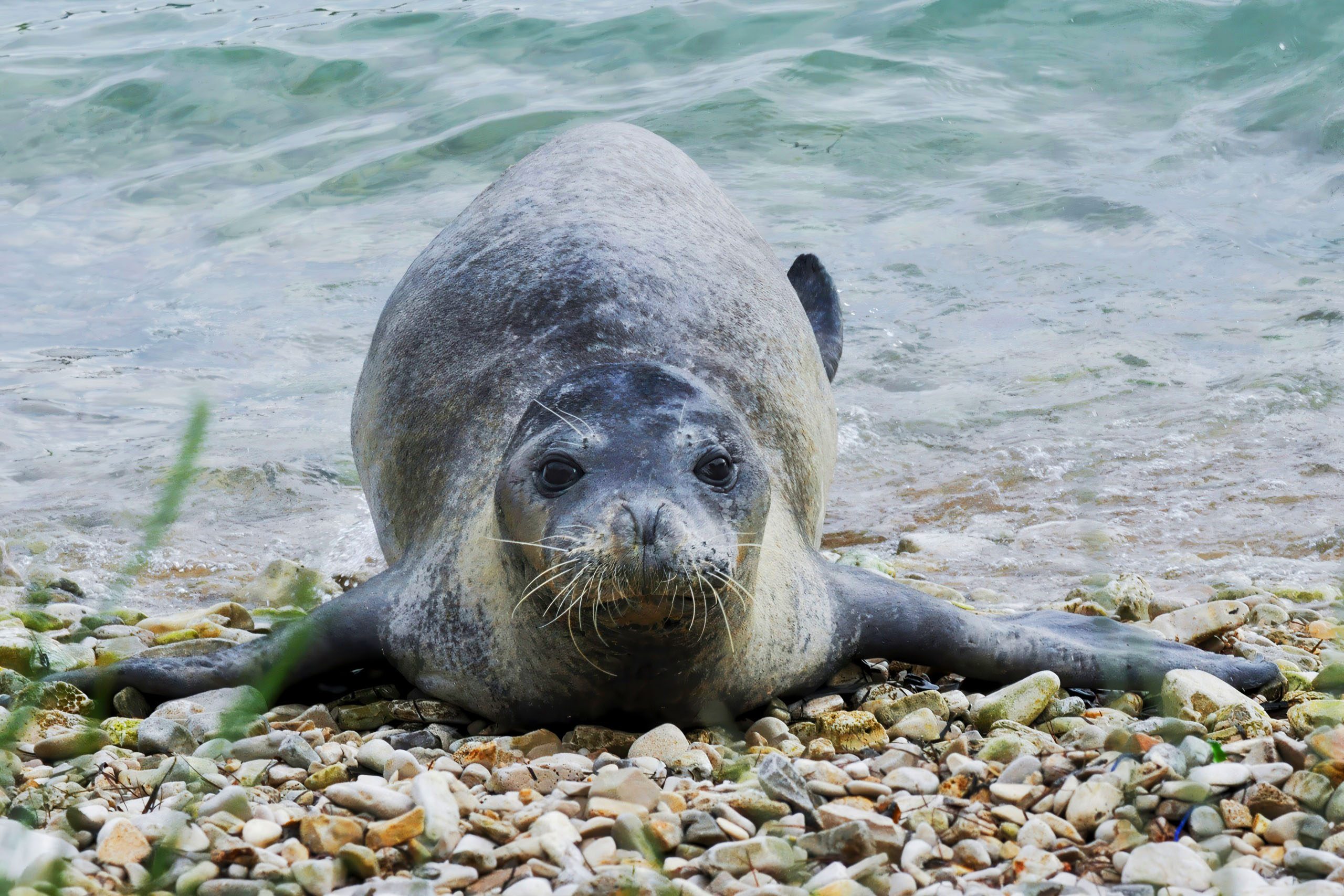
The Mediterranean monk seal, one of the rarest marine mammals in the world, is occasionally seen in nearby waters. Both green turtles and loggerhead turtles nest on beaches such as Lara Bay and Toxeftra. Reptiles include endemic species like the Cyprus whip snake and the blunt-nosed viper. Mammals include foxes, hedgehogs, and shrews, and the area is home to multiple butterfly species found only in Cyprus. Coastal waters support marine life such as grouper, octopus, and sea urchins.
Mammals include red foxes, hedgehogs, and shrews. Sixteen species of butterflies live on the peninsula, some found nowhere else. The coastline supports diverse marine life, including grouper, octopus, and sea urchins in the clear waters.
Lara Bay Turtle Sanctuary
Lara Bay is one of the most important turtle conservation sites in the Mediterranean. It is managed by the Cyprus Department of Forestry and Fisheries and protects nesting areas for endangered green and loggerhead turtles from May through mid-August. Female turtles return to the same beaches where they hatched, sometimes after decades at sea, to lay eggs at night.
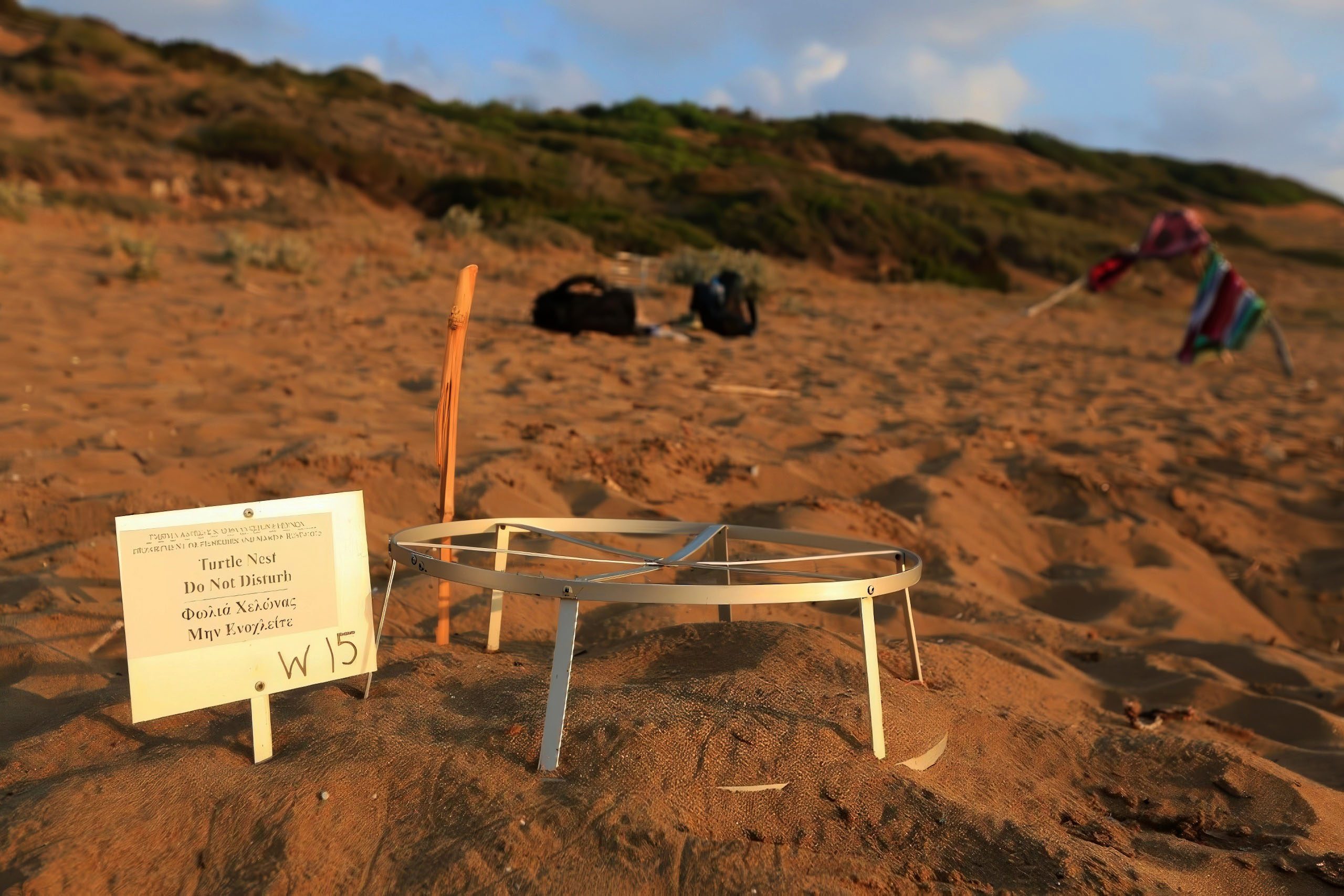
Conservation teams patrol the beaches daily during nesting season and mark nests with protective cages. Eggs from unsafe tourist beaches are sometimes relocated here. Incubation takes about two months, and hatchlings typically emerge at night and head toward the sea. Visitors can learn about conservation efforts at the station, but umbrellas, tents, and dogs are not allowed because they can disturb nests.
Avakas Gorge and Natural Landmarks
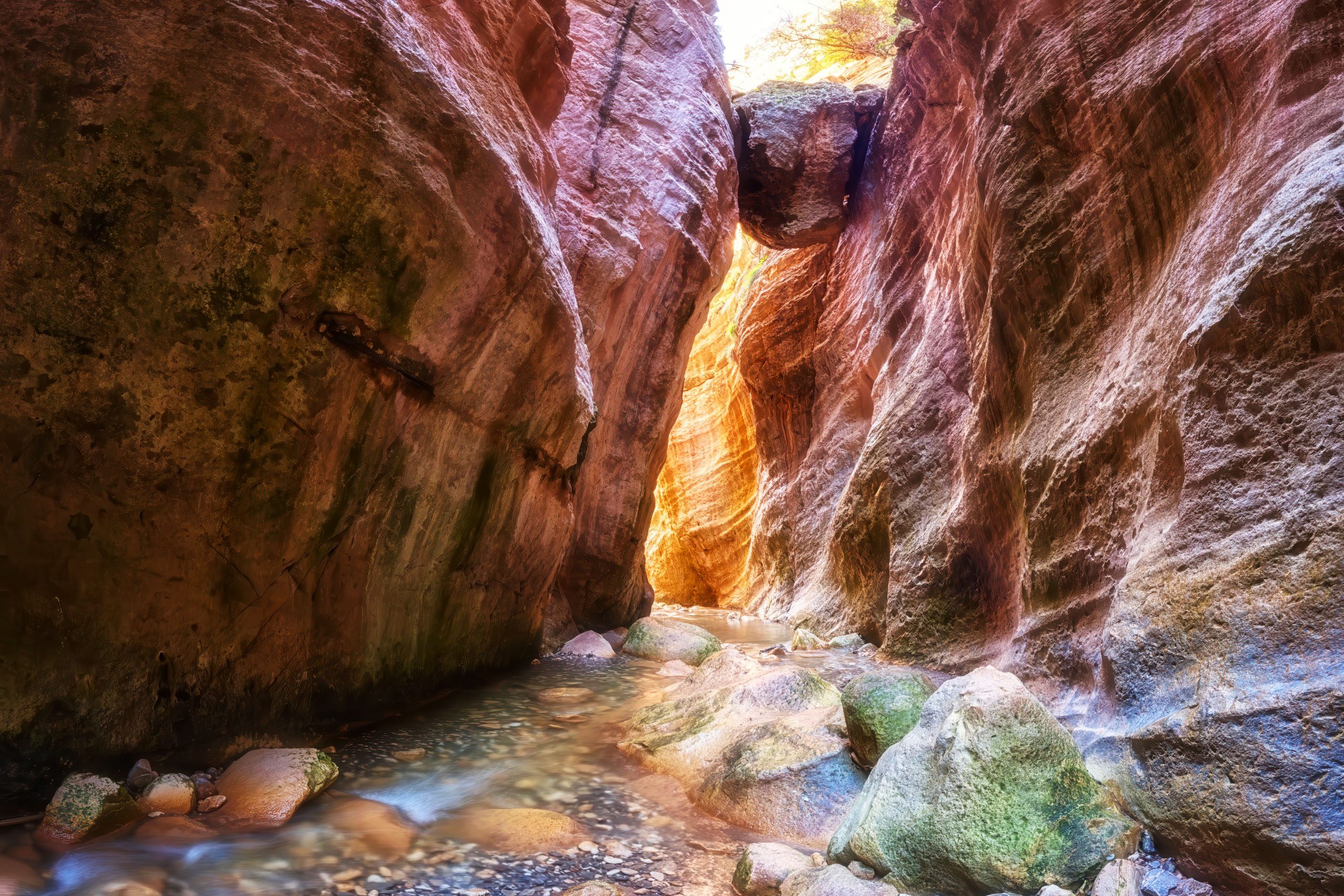
Avakas Gorge is one of the most impressive natural formations in Cyprus. Thousands of years of water erosion carved this narrow canyon through white limestone, with walls rising up to 30 meters high. The hiking route follows a seasonal riverbed through rock passages, with plants growing from cracks in the stone. The gorge extends roughly 3 kilometers and requires proper footwear due to uneven terrain and occasional shallow water.
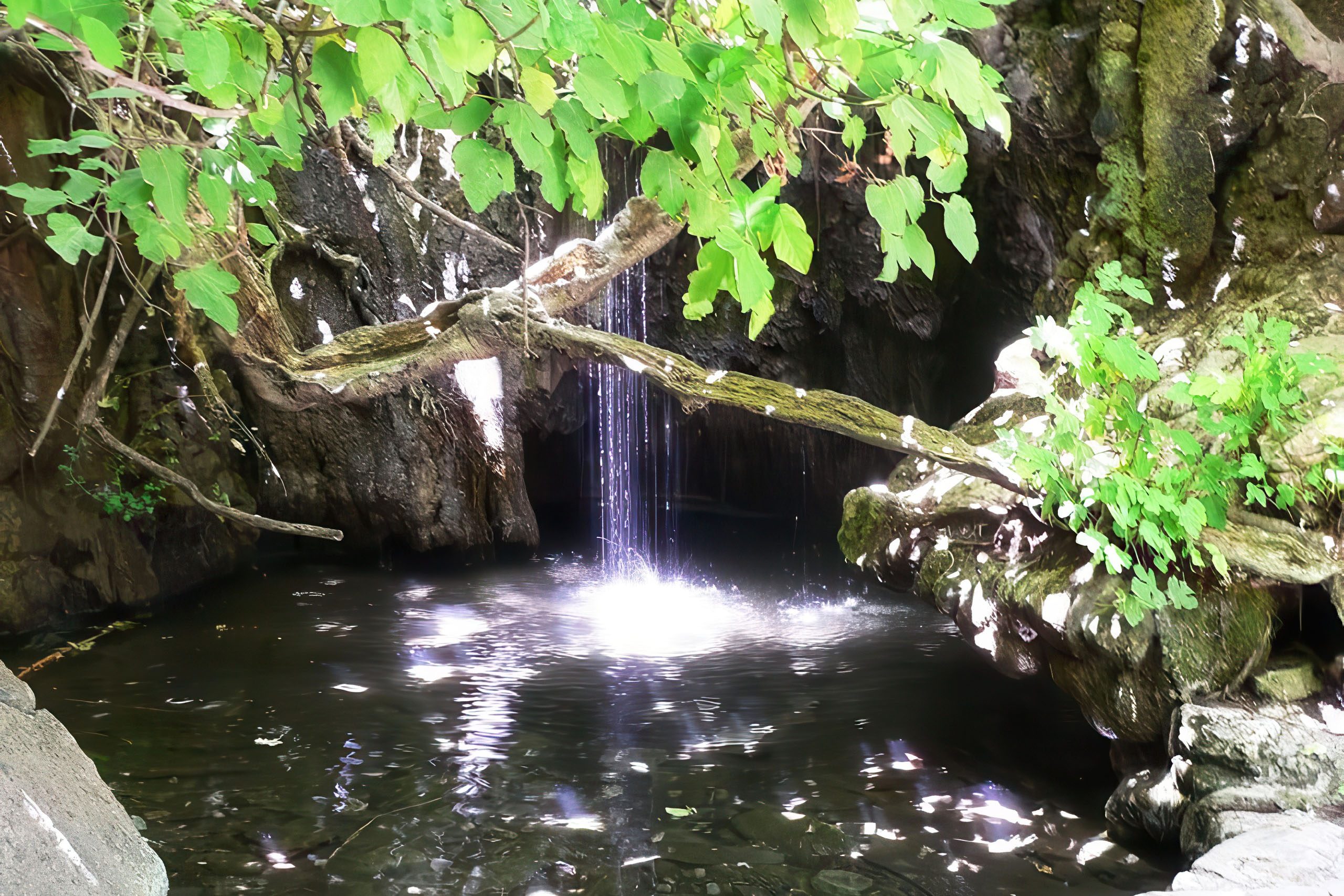
The Baths of Aphrodite sit near the northeastern edge of the park. According to mythology, Aphrodite bathed at this spring and met Adonis here. The shaded pool is surrounded by vegetation and marks the start of the Aphrodite and Adonis nature trails.
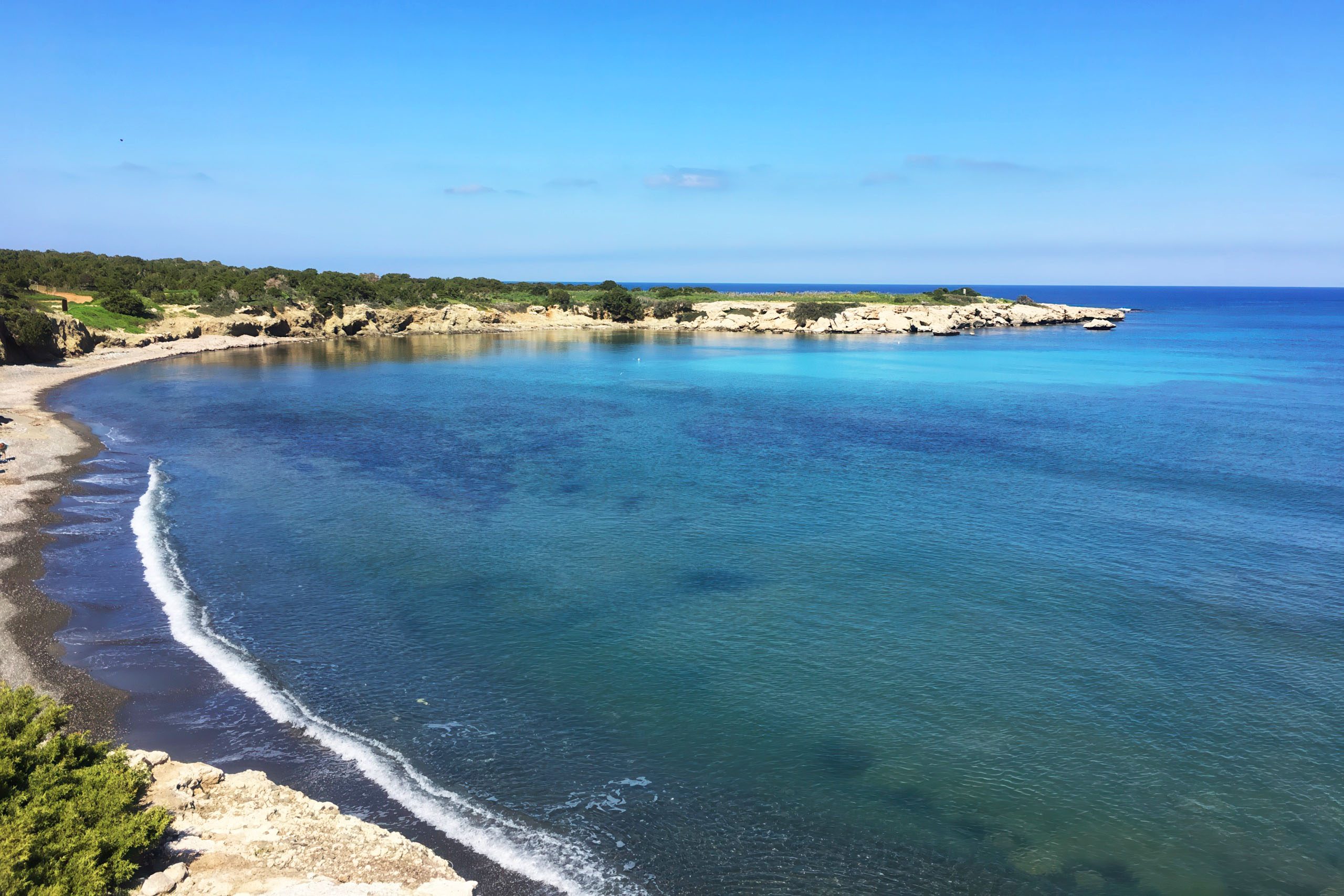
Fontana Amorosa, meaning Fountain of Love, is another coastal site linked to Aphrodite. Named during the medieval period, legend says anyone who drinks from its spring will be filled with youthful desire. The clear water and sandy seabed make it popular for swimming.
Worth Knowing About the Peninsula
Akamas has served as a filming location for feature films and documentaries. The ancient geographer Ptolemy described the peninsula in the 2nd century AD as a heavily wooded headland divided by mountains, a description that still fits today.

Nearby towns include Polis to the northeast and Pegeia to the south, both serving as access points. Latchi, a fishing village with a small harbor, is the main departure point for boat tours along the coast. The peninsula also contains scattered archaeological remains, including tombs, monastery ruins, and small settlement foundations, showing continuous human presence over thousands of years. Traditional goat and sheep grazing still occurs in some areas, though overgrazing is considered an ecological risk.
Visiting Akamas Today
Akamas is about 45 kilometers north of Paphos. Visitors can drive to Polis and continue to the Baths of Aphrodite, where paved roads end. A tourist information point there provides trail maps and guidance. Public bus route 622 connects Polis to the Baths.
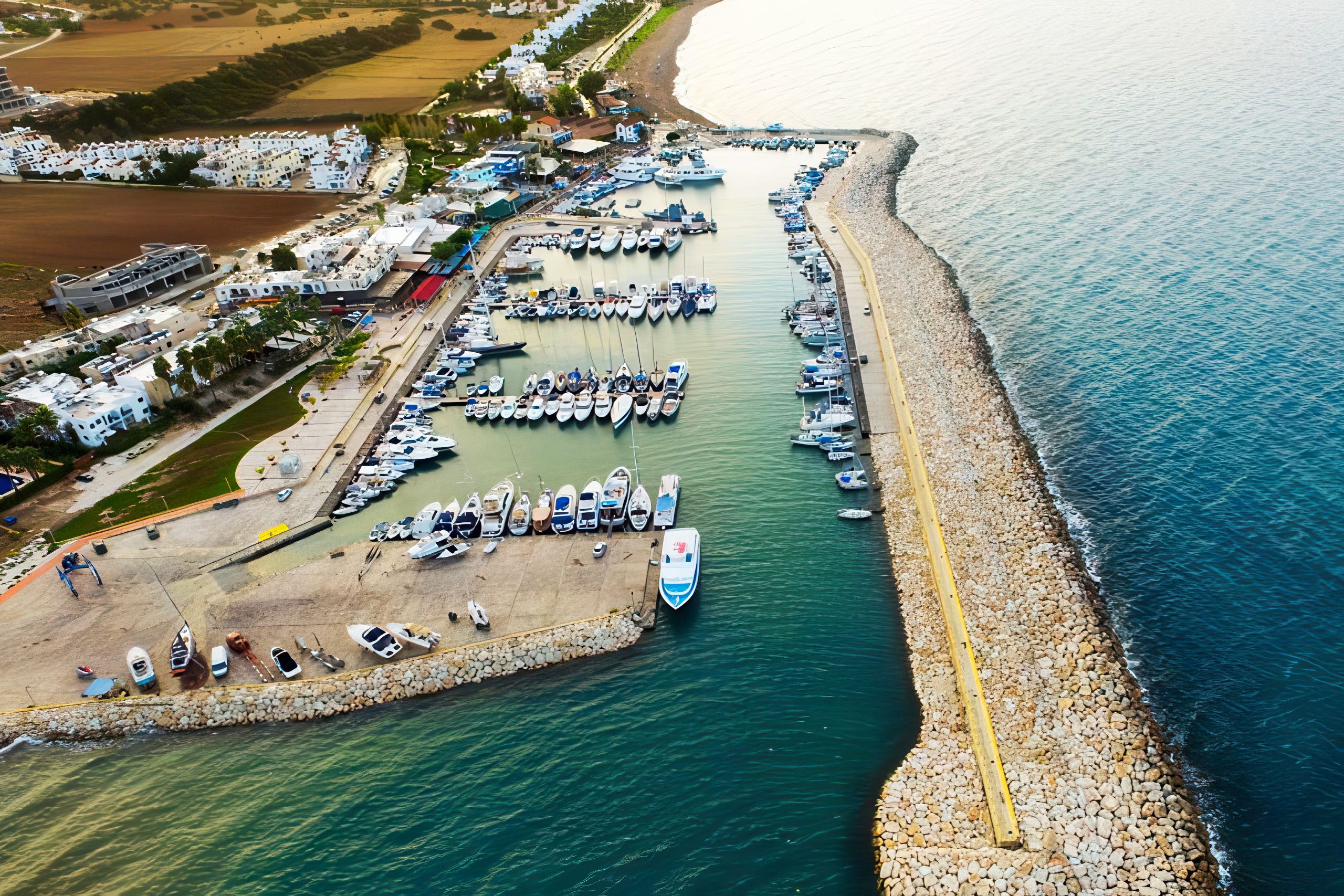
Exploring deeper into the peninsula usually requires a four-wheel drive vehicle, a guided jeep or buggy tour, or hiking. Some coastal tracks are reachable by regular cars but can be rough. Jeep tours commonly include stops at the Blue Lagoon, Avakas Gorge, and Lara Bay. Boat tours from Latchi harbor visit sea caves and swimming spots inaccessible by land.
Why Akamas Matters to Cyprus
Akamas shows what much of Cyprus once looked like before large-scale tourism development. Its ecosystems remain largely intact, offering a rare view of the island’s natural landscape. The peninsula holds a major share of Cyprus’s endemic plants and provides critical habitat for endangered species such as monk seals and sea turtles.
It also demonstrates how conservation and tourism can work together when properly managed. Hiking, jeep tours, and boat trips bring visitors while supporting local communities. As part of the Natura 2000 network, Akamas contributes to Europe’s protected area system and supports international conservation goals. How it is managed will shape Cyprus’s long-term environmental reputation.