 English
 Greek
Greek German
 Russian
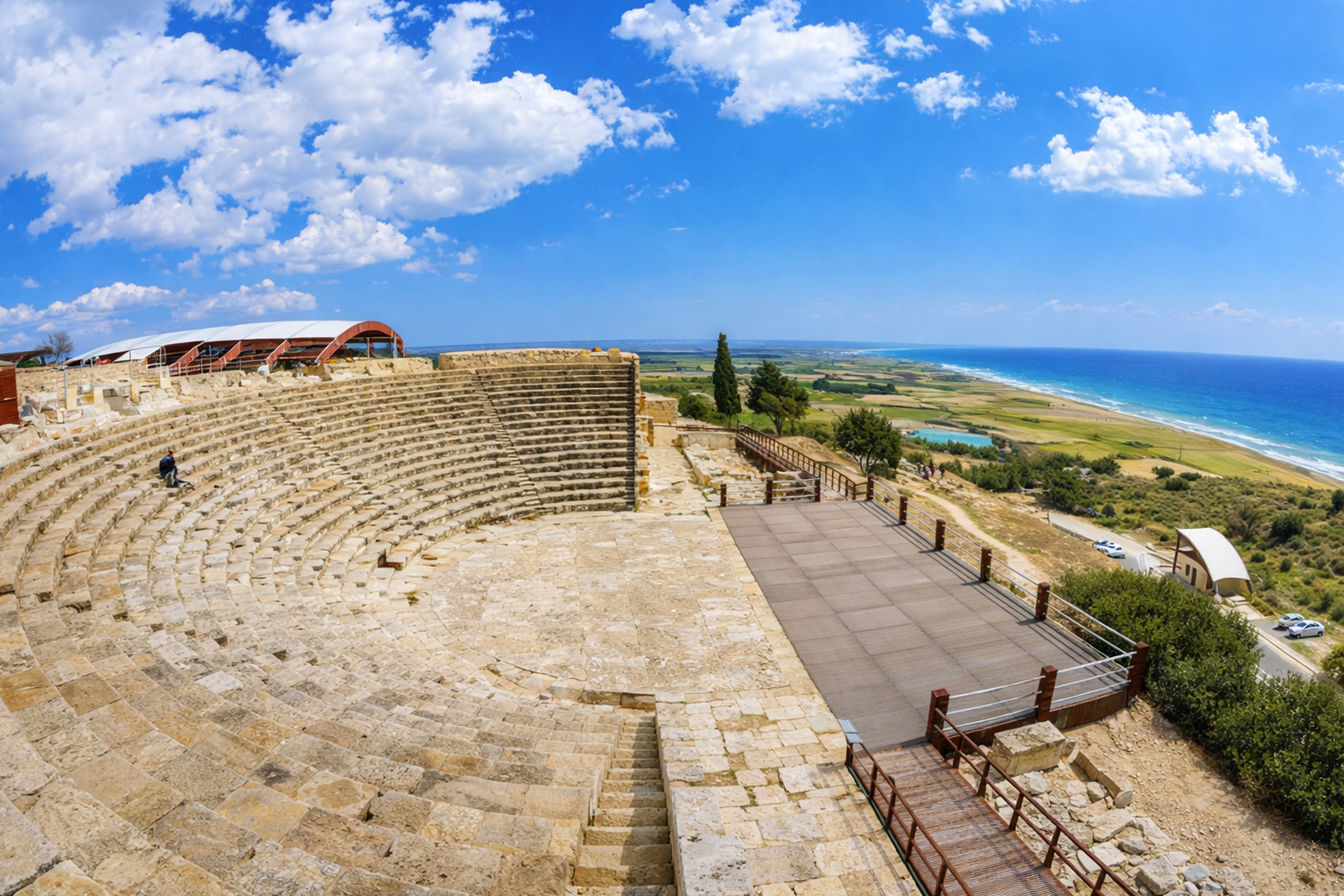
The Theatre of Kourion is one of the most impressive ancient theatres in Cyprus. It was built in the Late Hellenistic period and later enlarged under Roman rule. The theatre shows how important performances and public gatherings were in ancient times. Its location on a cliff overlooking the Mediterranean Sea highlights both careful city planning and an appreciation for natural beauty. The theatre could hold up to 3,500 spectators and was used for plays and other public events for many centuries.
The History of Kourion and Its Theatre
Kourion was one of the most important city-kingdoms in ancient Cyprus. Tradition says it was founded by Greeks from Argos in the Peloponnese in the 13th century BCE, during the Mycenaean expansion. Archaeological evidence supports links with Argos, and the city’s people saw themselves as descendants of Greek settlers.
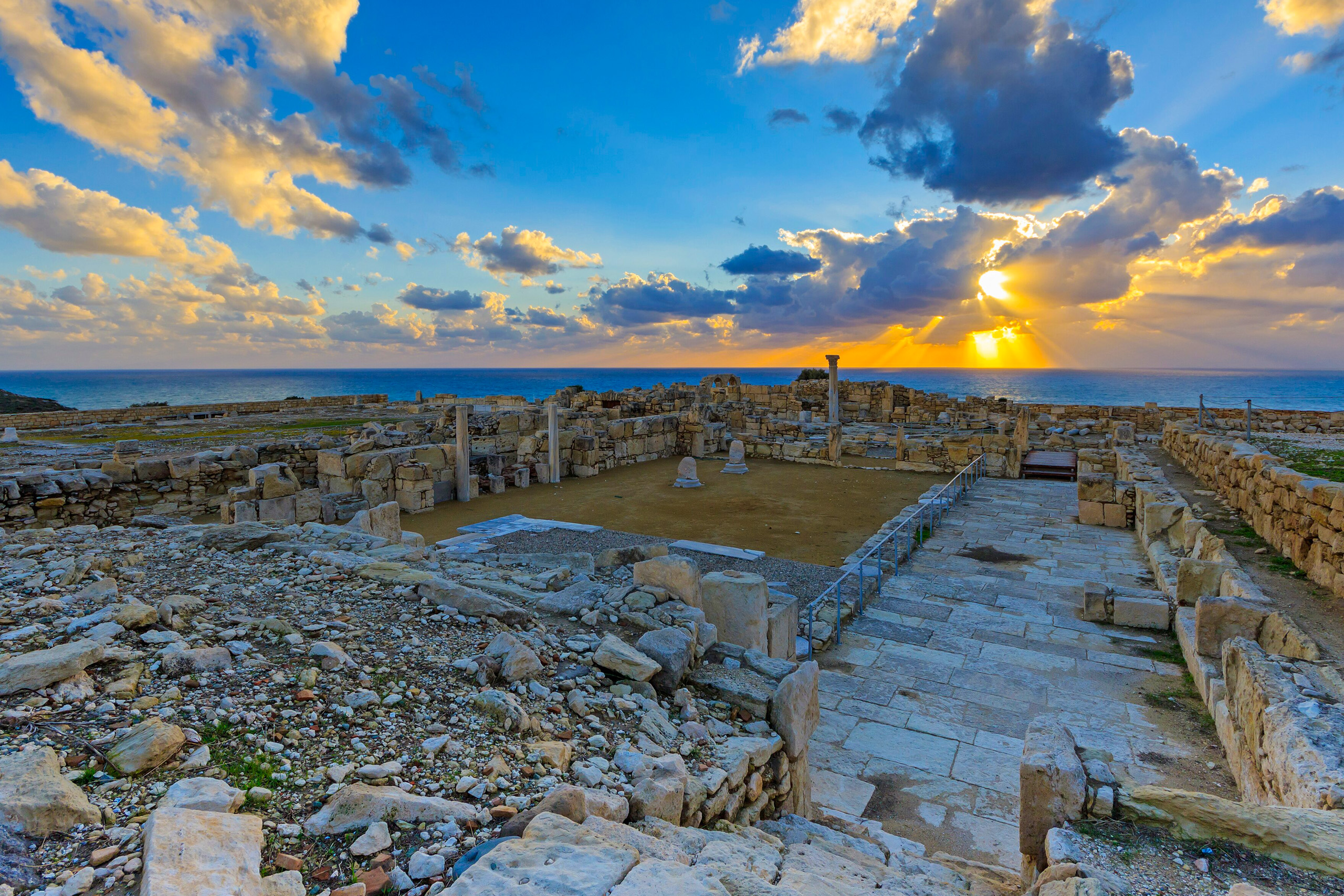
The city sat on hills above the fertile Kouris River valley, giving it both rich farmland and strong defenses. This location helped Kourion become a major political and economic center during the Classical, Hellenistic, and Roman periods.
The theatre was first built at the end of the 2nd century BCE under Ptolemaic rule. The original building was fairly small. In the early 2nd century AD, under Roman Emperor Trajan, it was greatly expanded. More seats were added, and the architecture was improved to match the grandeur of a Roman city.
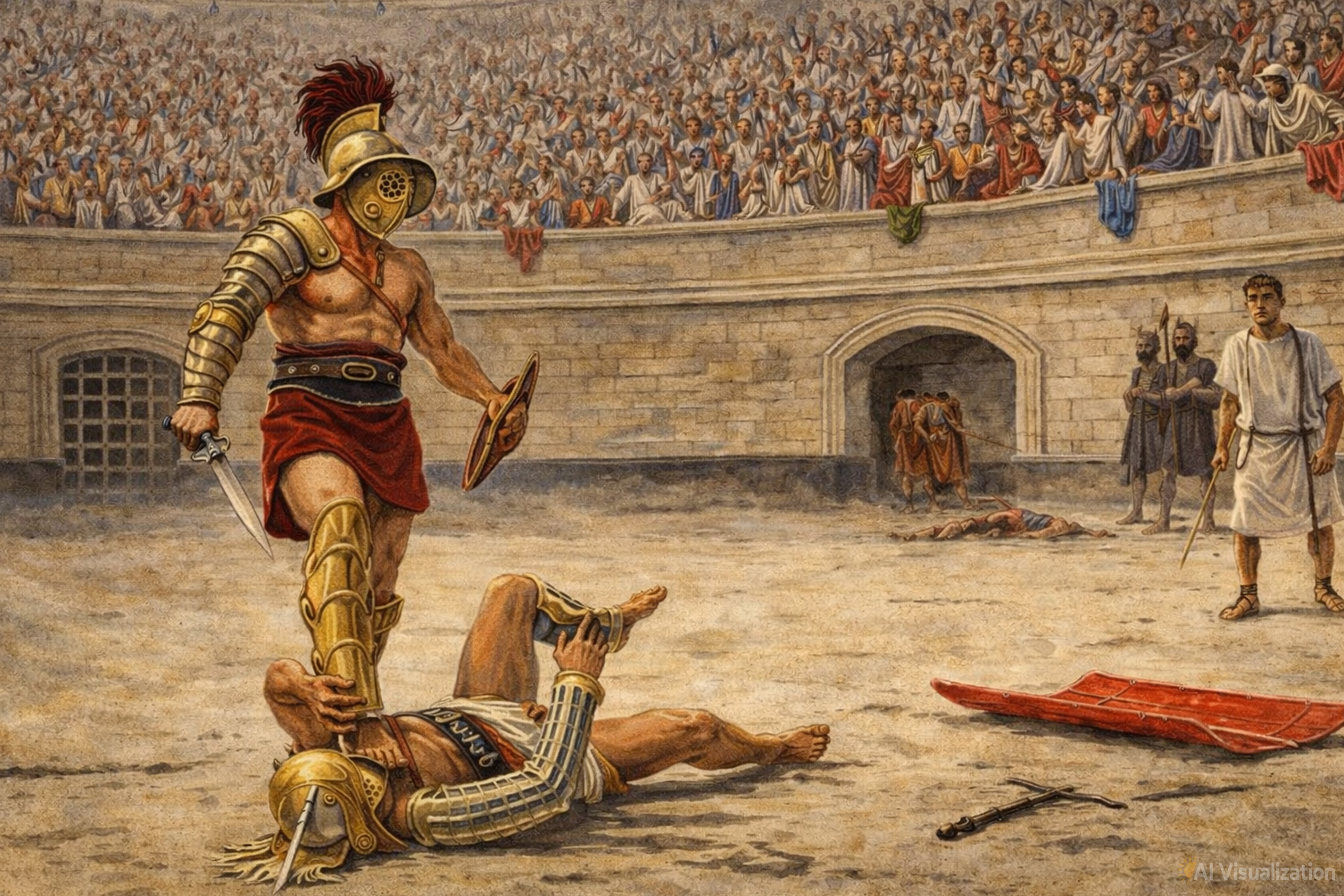
Between 214 and 217 AD, the theatre was changed to hold gladiator games and wild animal hunts. The orchestra floor was lowered, and a wall was added to protect the audience from animals. By 250 AD, these events became less popular, and the theatre returned to hosting plays and music.
The earthquake of 365 AD badly damaged Kourion and the theatre. Unlike other buildings, the theatre was repaired, but repeated earthquakes eventually made reconstruction impossible. By the late 4th century, the theatre was abandoned and remained in ruins for over 1,500 years.
Architectural Features and Design
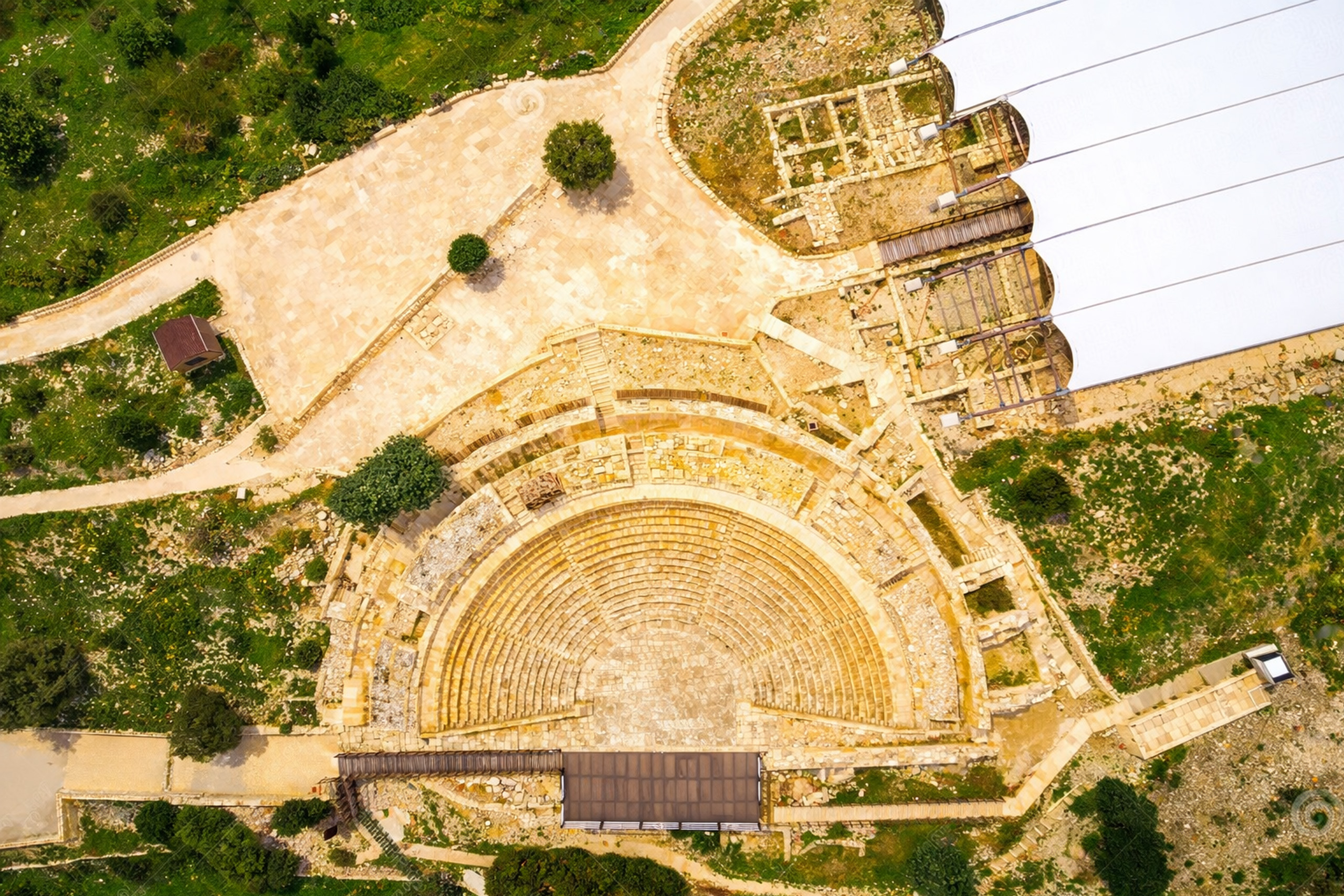
The theatre was built directly into the hillside, using the natural slope to form the seating tiers. This design was practical and saved building materials, while giving all spectators a clear view. The semicircular seating, called the cavea, stretched about 180 degrees around the central orchestra.
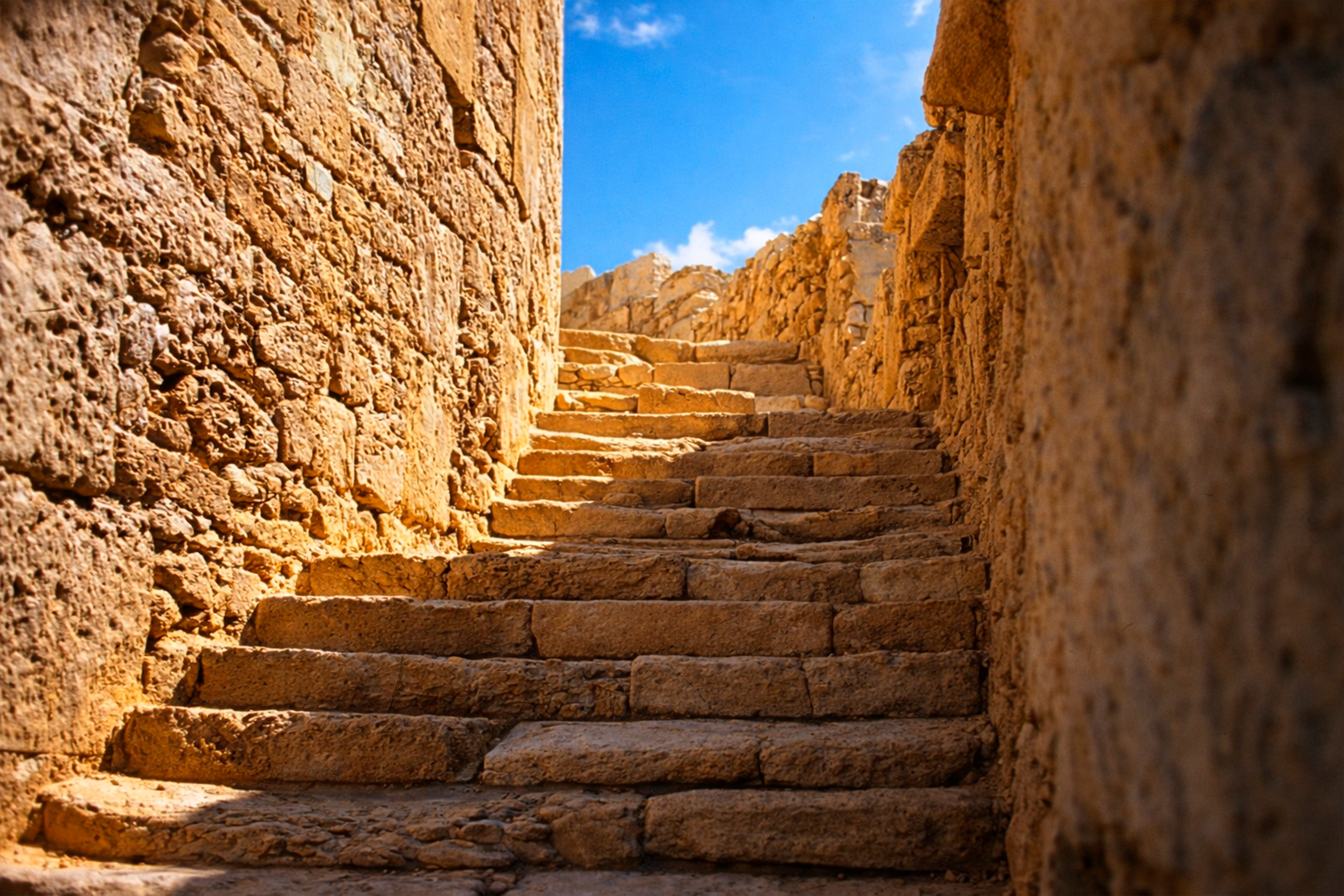
Two vaulted corridors, called parodoi, ran along each side of the stage. These served as entrances for performers and audience members, connecting the seats to the stage and orchestra. The stone vaulting shows the skill of Roman engineers.
The stage building, known as the scaenae frons, originally rose as high as the top seating tier. It created an enclosed space that improved sound and would have been decorated with columns, niches for statues, and painted surfaces. Today, only the foundations remain, but they show it was a large and carefully designed structure.
The orchestra, the circular space where the chorus performed in Greek plays, was about 20 meters across. When the Romans held gladiator games, the floor was adapted with drainage to remove blood and water after events.
The theatre’s acoustics are still excellent. A person speaking from the center of the orchestra can be heard clearly even in the highest rows. This was achieved through careful design of the seating angles, the curved shape of the cavea, and the reflective surfaces of the stage.
Role in Ancient Society
In ancient times, theatres were important places for entertainment, public gatherings, and announcements. At Kourion, the theatre played a key role in both social and religious life. It hosted plays, comedies, music performances, and festivals connected to the city’s identity. Its expansion under Roman rule shows how much value was placed on public spaces and shared cultural experiences.
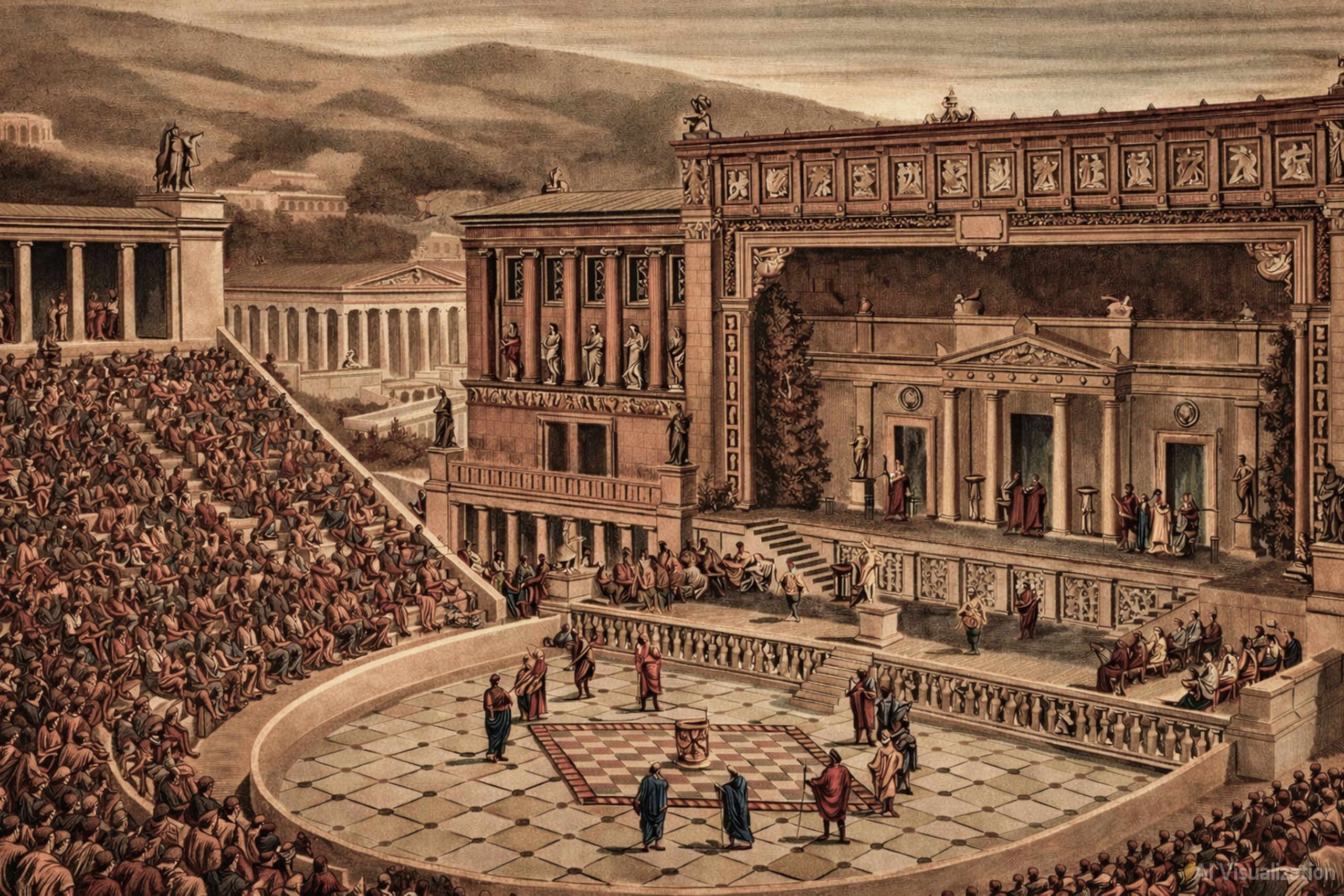
The theatre at Kourion was part of a larger network of similar venues across the eastern Mediterranean. These spaces allowed citizens to meet, learn about city matters, and take part in community life. While we do not know exactly what was performed at Kourion, the size and design of the theatre show that it was a major centre for cultural activity.
The Theatre’s Coastal Setting
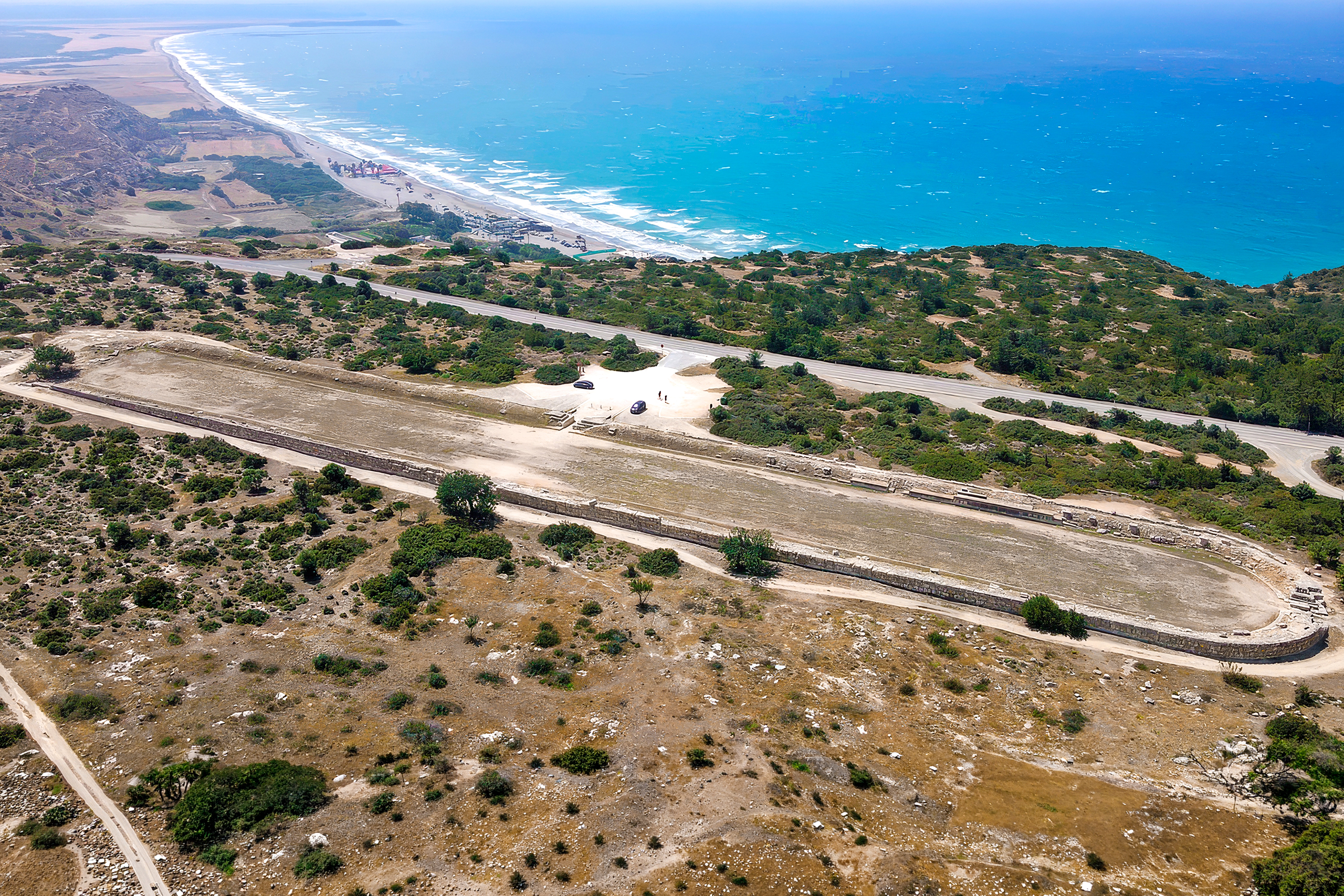
The theatre sits on a cliff above the Mediterranean, which makes it different from most other ancient theatres. Many Greco-Roman theatres were built into hills for practical reasons, but few had such dramatic natural views. From the top seats, visitors can see miles of coastline and feel a connection between the stage and the sea.
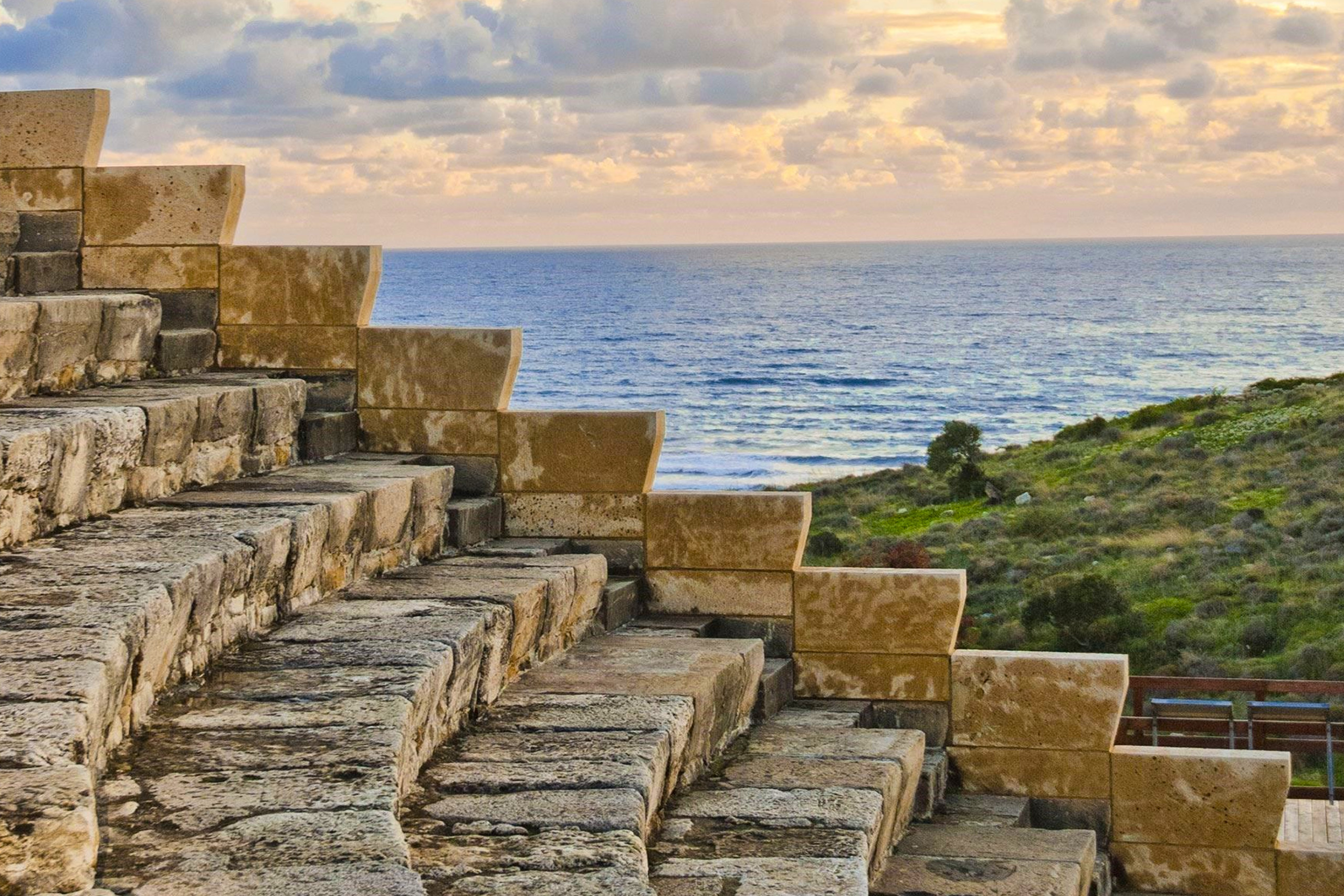
This seaside location may have had symbolic meaning. In ancient Mediterranean culture, the sea represented both opportunity and danger. Plays often showed journeys, exile, homecoming, and fate, ideas closely tied to life at sea. The visible ocean strengthened these themes for the audience.
Why the Theatre Matters Today
The Theatre of Kourion shows cultural continuity for more than two thousand years. Ancient audiences watched the same tragedies that modern audiences watch on the same stage. This connection between past and present makes the theatre more than an archaeological site. It acts as a living cultural space that links ancient and modern Cyprus.
For the island’s cultural life, the theatre provides an internationally important venue. The annual drama festival brings theatre companies and audiences from across Europe and beyond, making Cyprus a destination for classical performance. The theatre has hosted famous international artists and productions and strengthened Cyprus’s reputation in the performing arts.
Visiting the Theatre
The Theatre of Kourion is accessible as part of the larger Kourion Archaeological Site, located just off the B6 coastal road between Limassol and Paphos. The site is open daily year-round, with extended hours during summer. Standard admission costs €4.50, with discounts available for students, seniors, and organized groups. Multi-day passes cover several archaeological sites across Cyprus and offer better value for visitors who plan to see multiple locations.
The theatre occupies the first major area visitors encounter after they enter the archaeological site. A short walk from the parking area leads directly to the seating tiers. The site is partially wheelchair accessible, though the uneven ancient paving and steps present challenges for visitors with mobility limitations.
A Monument to Performance
The Theatre of Kourion endures because it continues to serve its original purpose. Unlike many ancient structures preserved only as ruins, this theatre remains a functional performance space where artists and audiences gather for the same reasons ancient Cypriots did over 2,000 years ago.
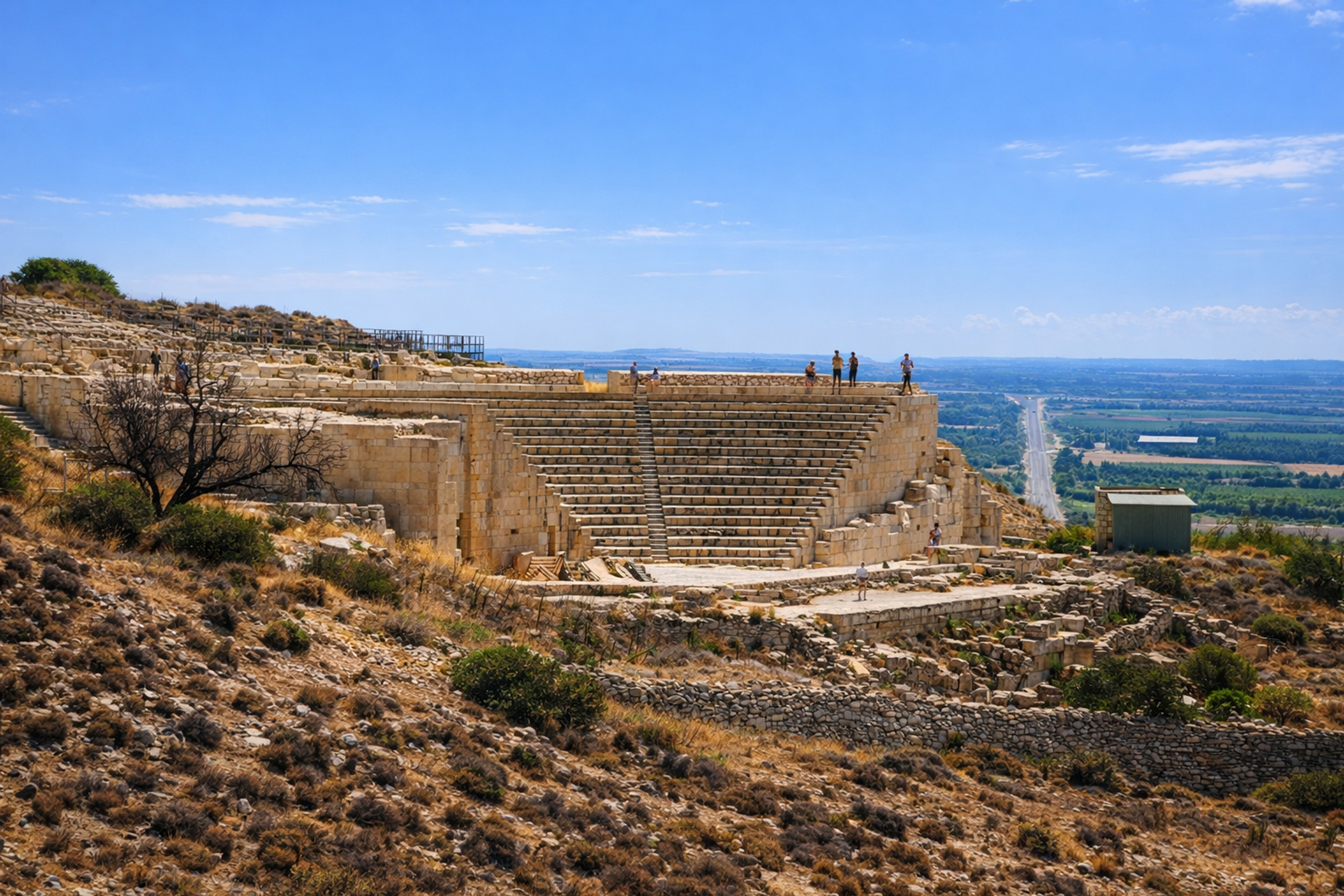
The restoration that allows modern use inevitably altered some archaeological authenticity, but it preserved something more valuable than untouched ruins. It maintained the theatre as a living cultural institution rather than a dead monument. When actors perform Greek tragedy here, they participate in an unbroken tradition that stretches back to antiquity. This makes the Theatre of Kourion not just a window into the past but a bridge between ancient and modern cultural expression.