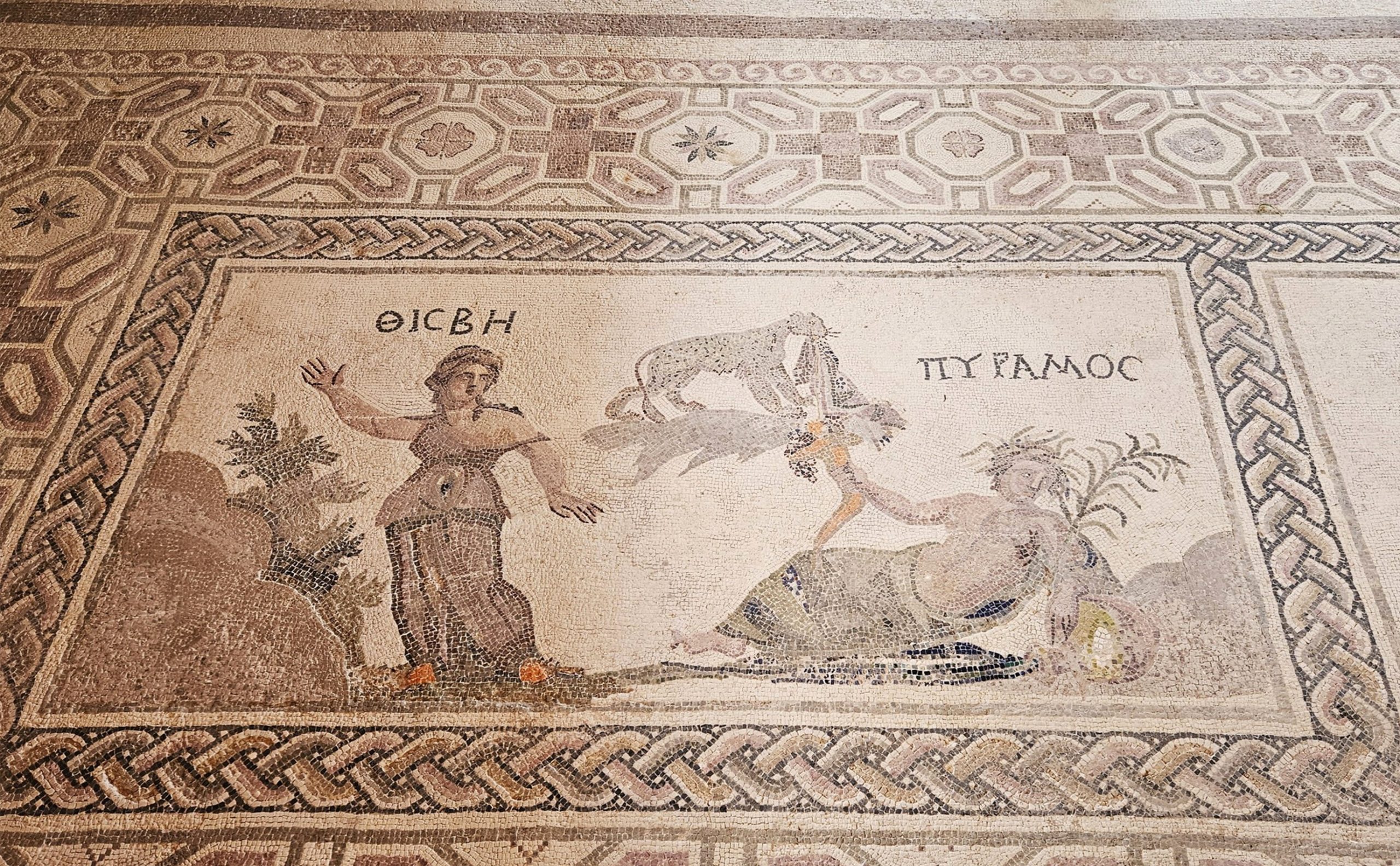
Colour as Theological and Social Language
Color as Theological and Social Language in ancient Cypriot art involved the deliberate use of hues to convey concepts of divinity, societal roles, and human experience. Red often symbolized fertility
 English
 Greek
Greek German
 Russian
English Greek German Russian
Russian
English Greek German RussianColor as Theological and Social Language in ancient Cypriot art involved the deliberate use of hues to convey concepts of divinity, societal roles, and human experience. Red often symbolized fertility
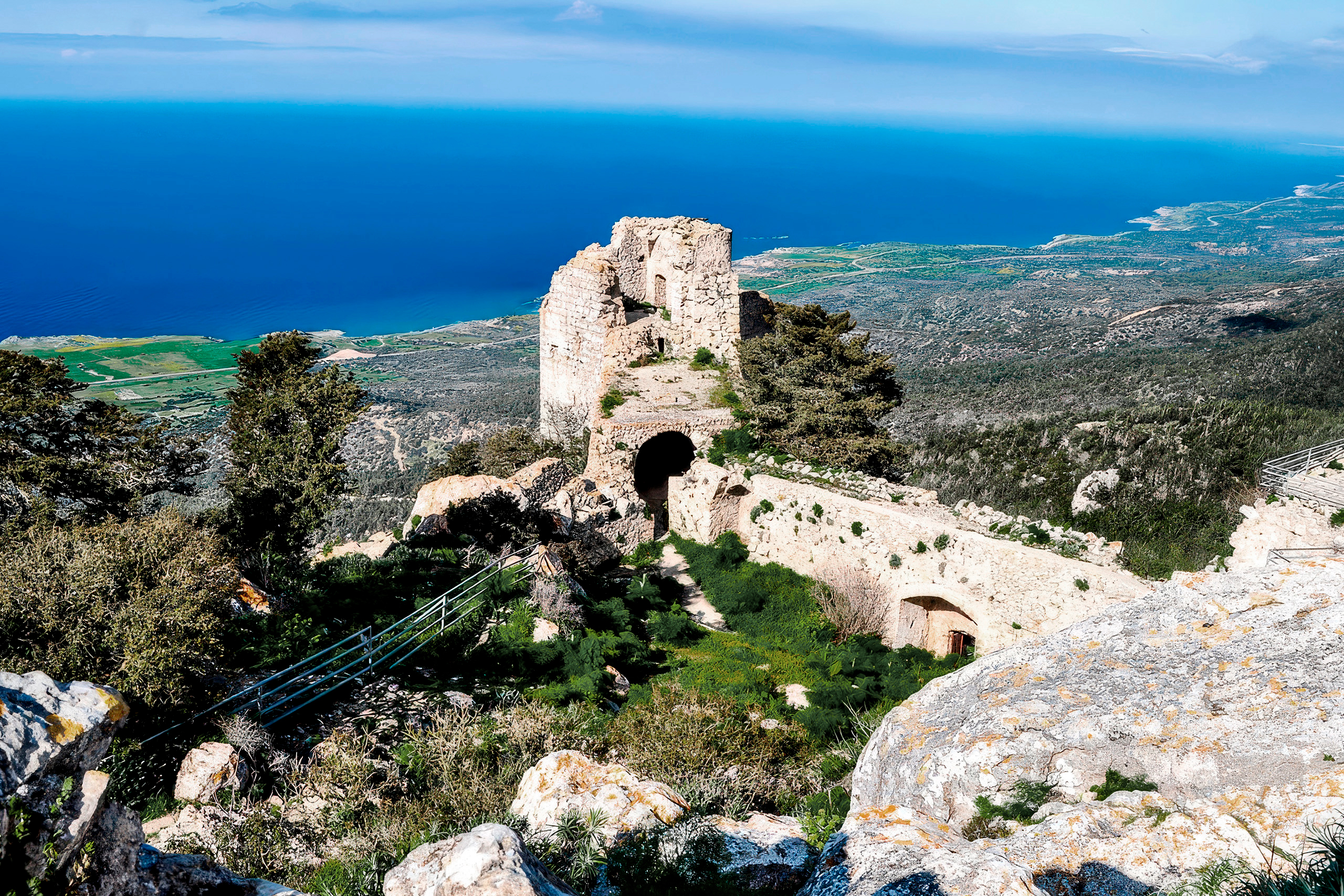
Kantara Castle is a Byzantine and medieval fortress located in the eastern Kyrenia mountain range in the Turkish-occupied part of Cyprus. The name comes from the Arabic word “qantara,” meaning
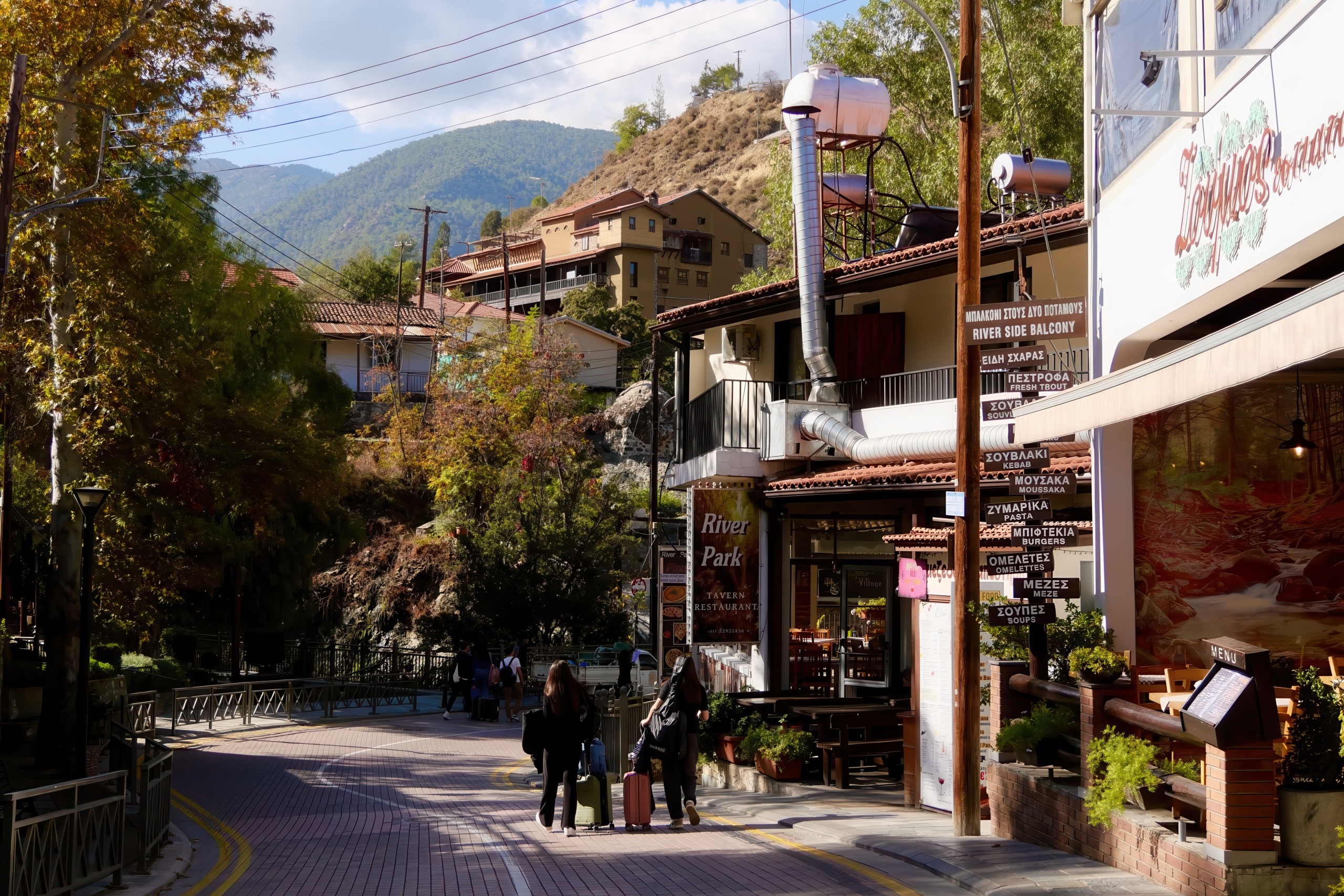
Kakopetria is a mountain village in the Troodos range that combines well preserved traditional buildings with important Byzantine heritage. It lies fifty five kilometers from both Nicosia and Limassol, stands
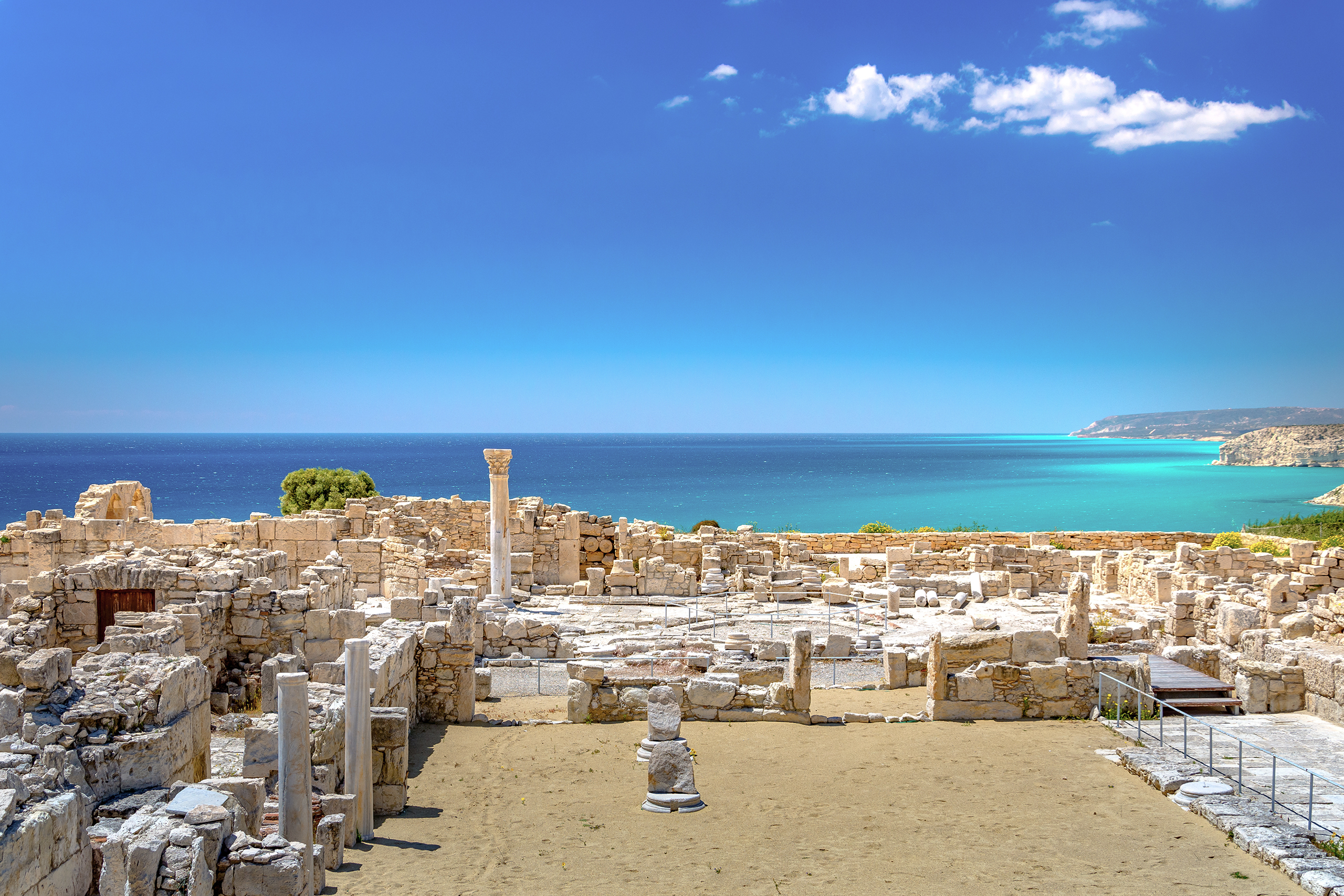
The Kourion Archaeological Museum stands as a small but powerful window into one of Cyprus’s most important ancient city-kingdoms. The museum occupies a traditional building that once served as the
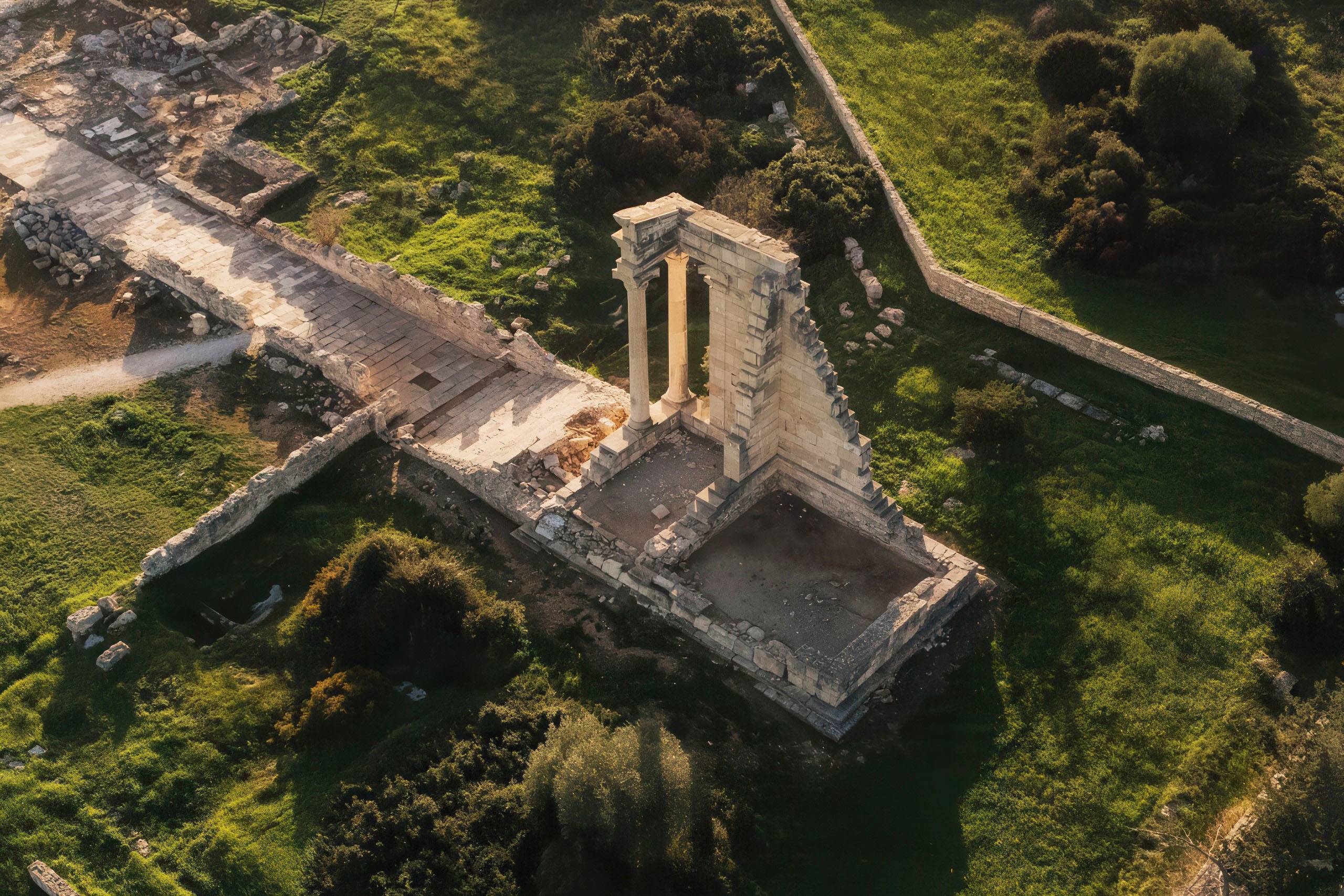
The Sanctuary of Apollo Hylates was one of the most important religious centres in ancient Cyprus, set within the wooded landscape near Kourion. Dedicated to Apollo in his role as
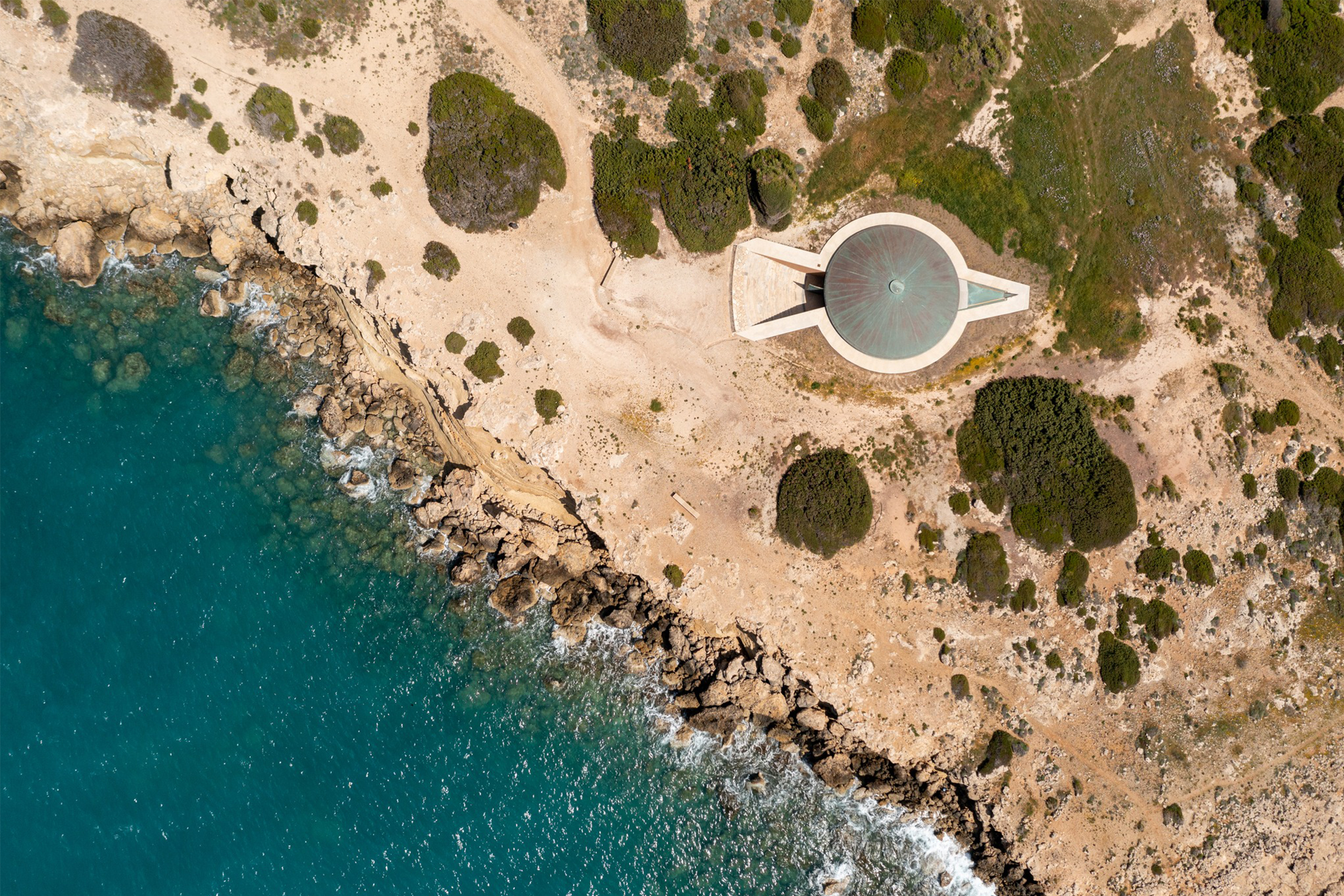
Maa-Palaiokastro is an important site in Cyprus’s history. This Late Bronze Age settlement on the western coast near modern Paphos shows the arrival of Mycenaean Greeks to the island around
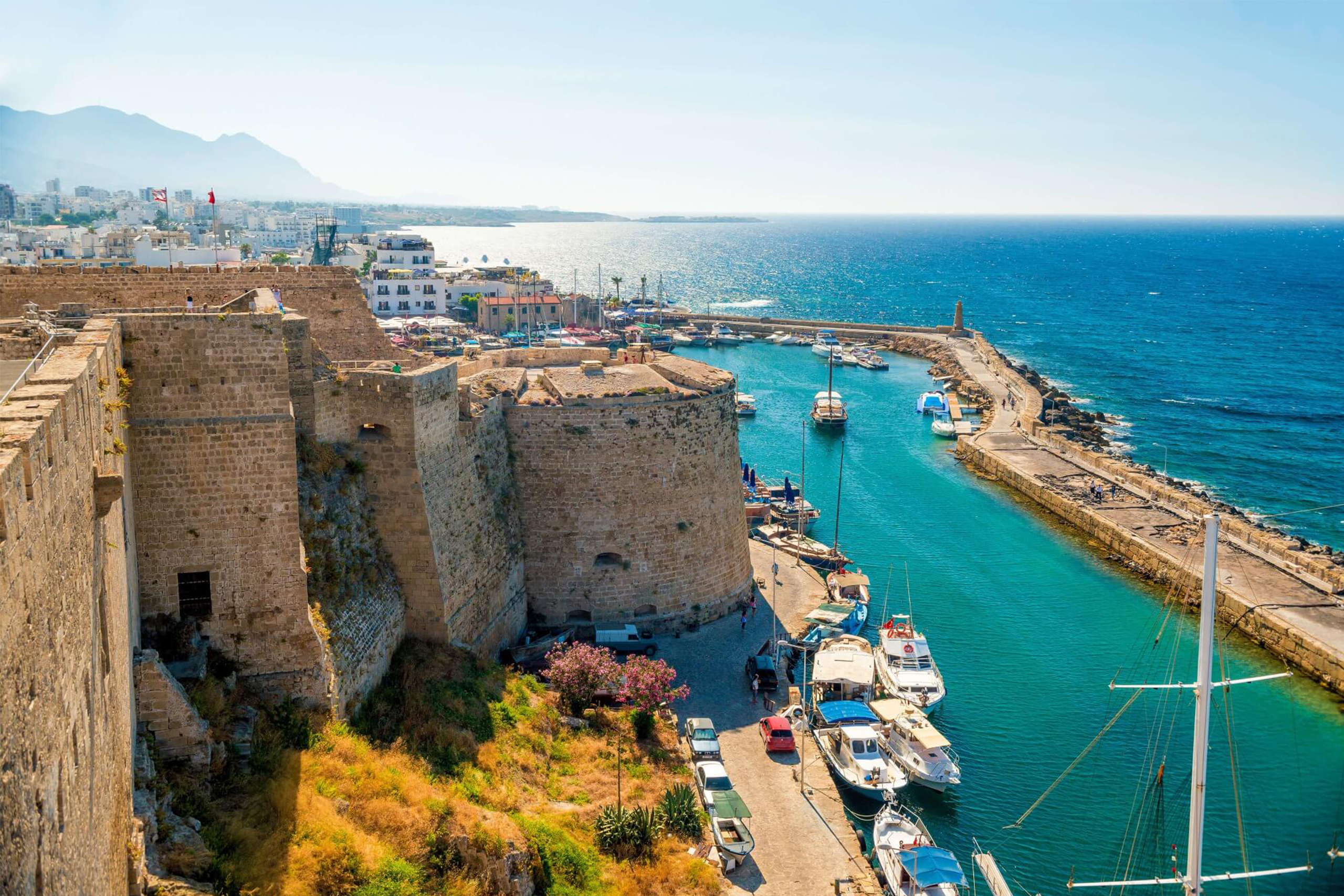
Kyrenia Castle stands at the edge of one of Cyprus’s most sheltered harbours, where land and sea have negotiated power, trade, and survival for centuries. Unlike hilltop fortresses built to
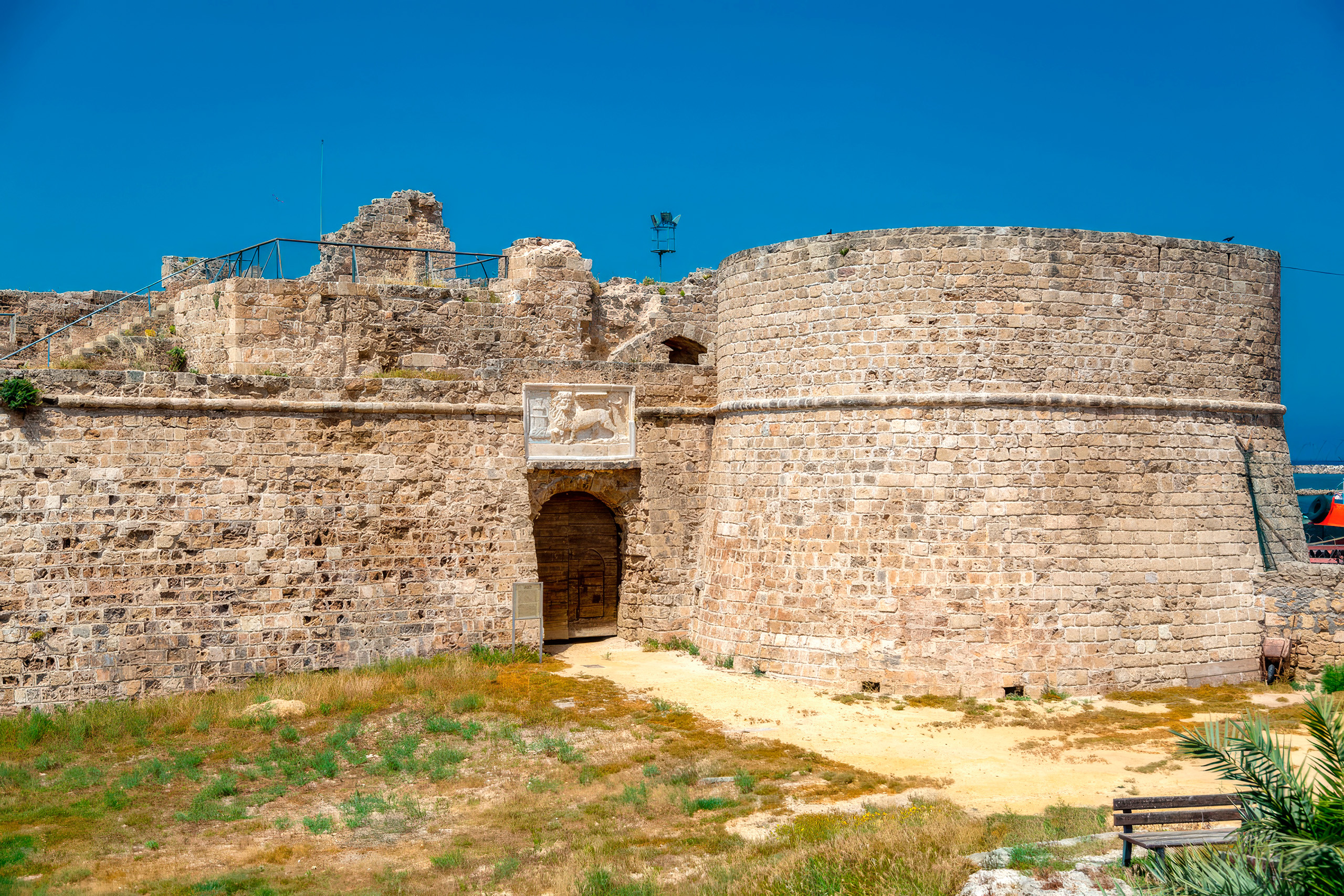
Othello Castle, also known as Othello’s Tower, is a medieval fortress in Famagusta in in the Turkish-occupied part of Cyprus. The castle sits at the northeastern corner of the city’s
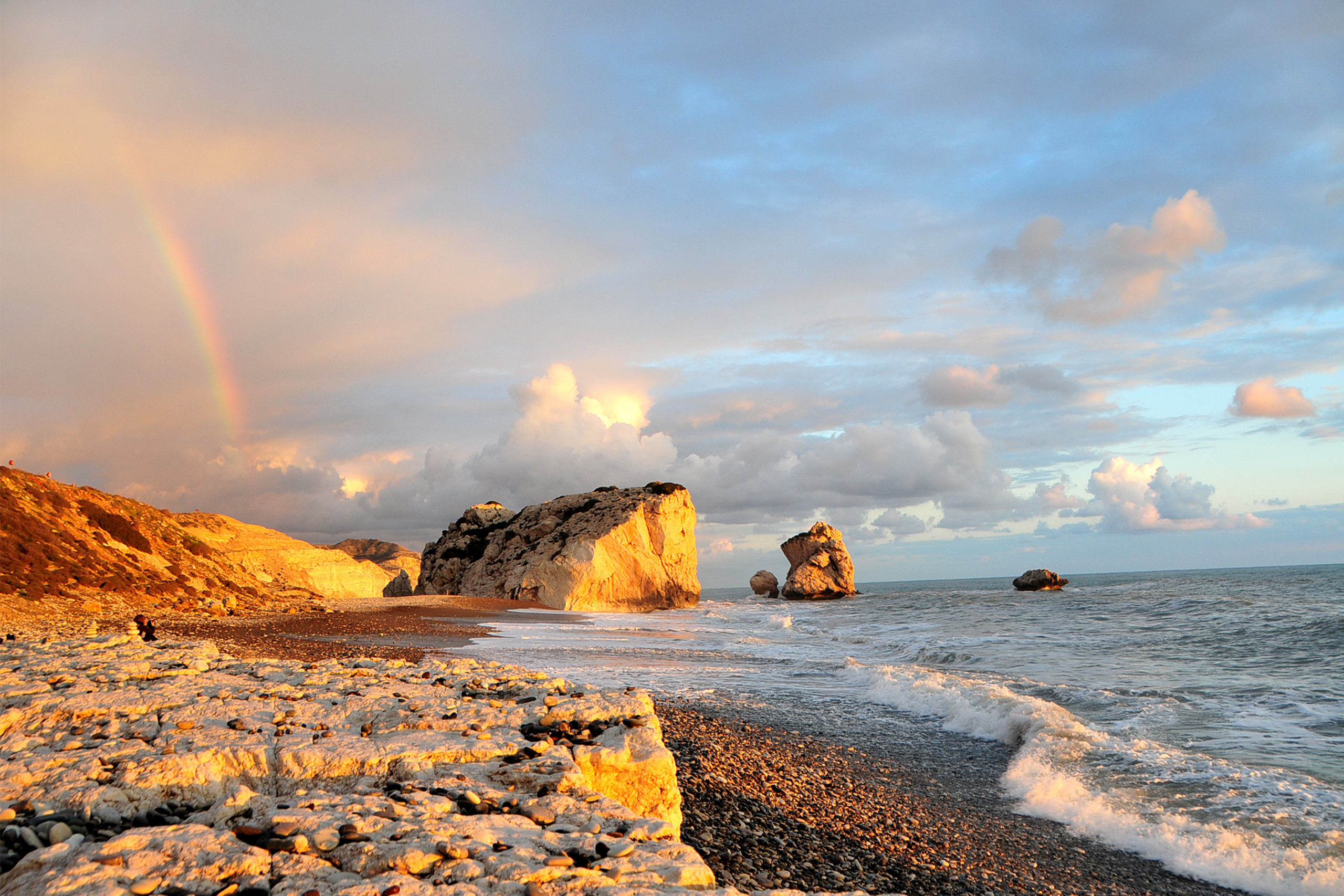
Cyprus isn’t just an island of beaches and ancient ruins – it’s the legendary birthplace of Aphrodite, the goddess of love and beauty. For thousands of years, pilgrims, poets, and
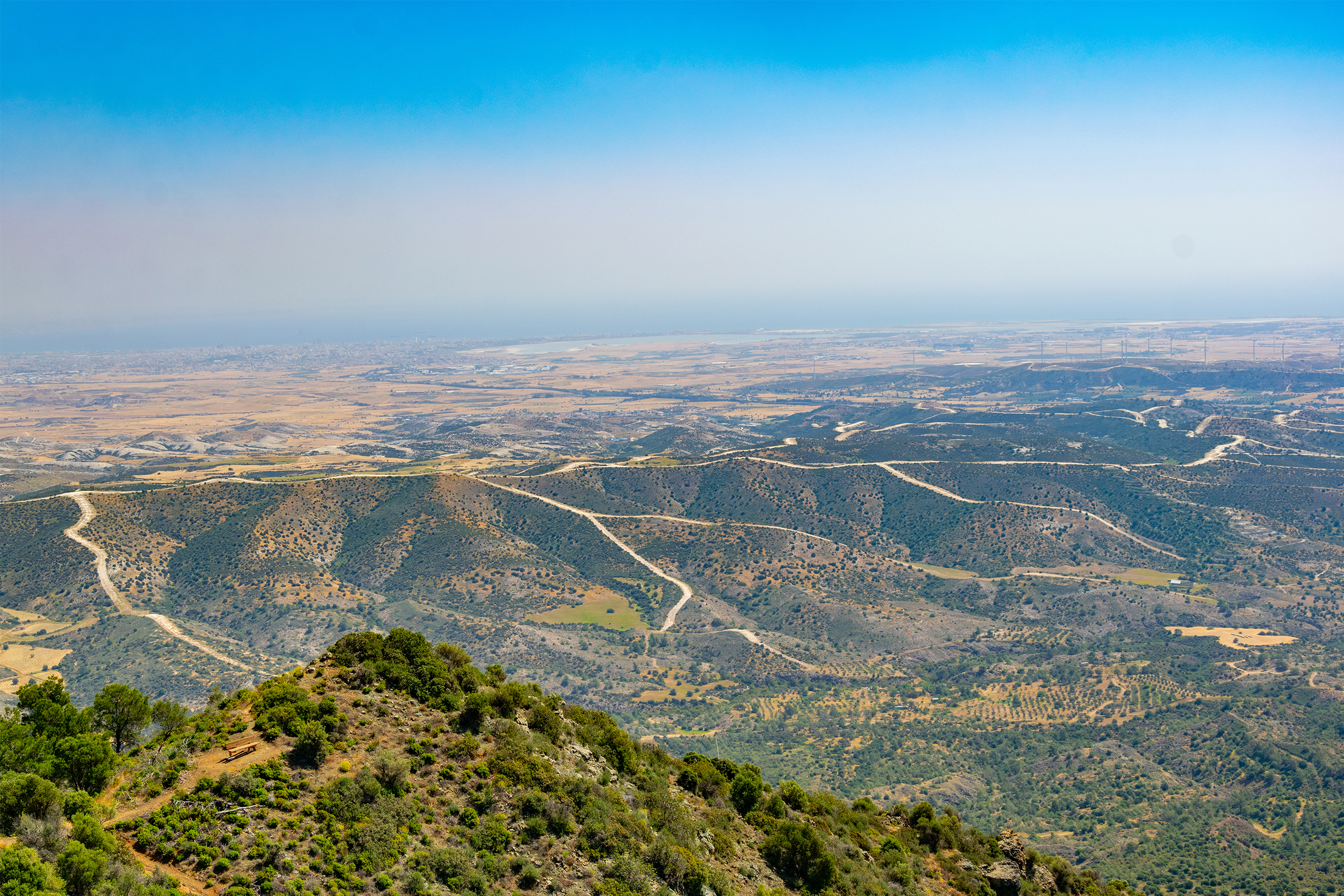
Rising 689 meters above the Mesaoria plain, Mount Stavrovouni has been a sacred site for over 2,000 years. The name derives from two Greek words: stavros (cross) and vouno (mountain),
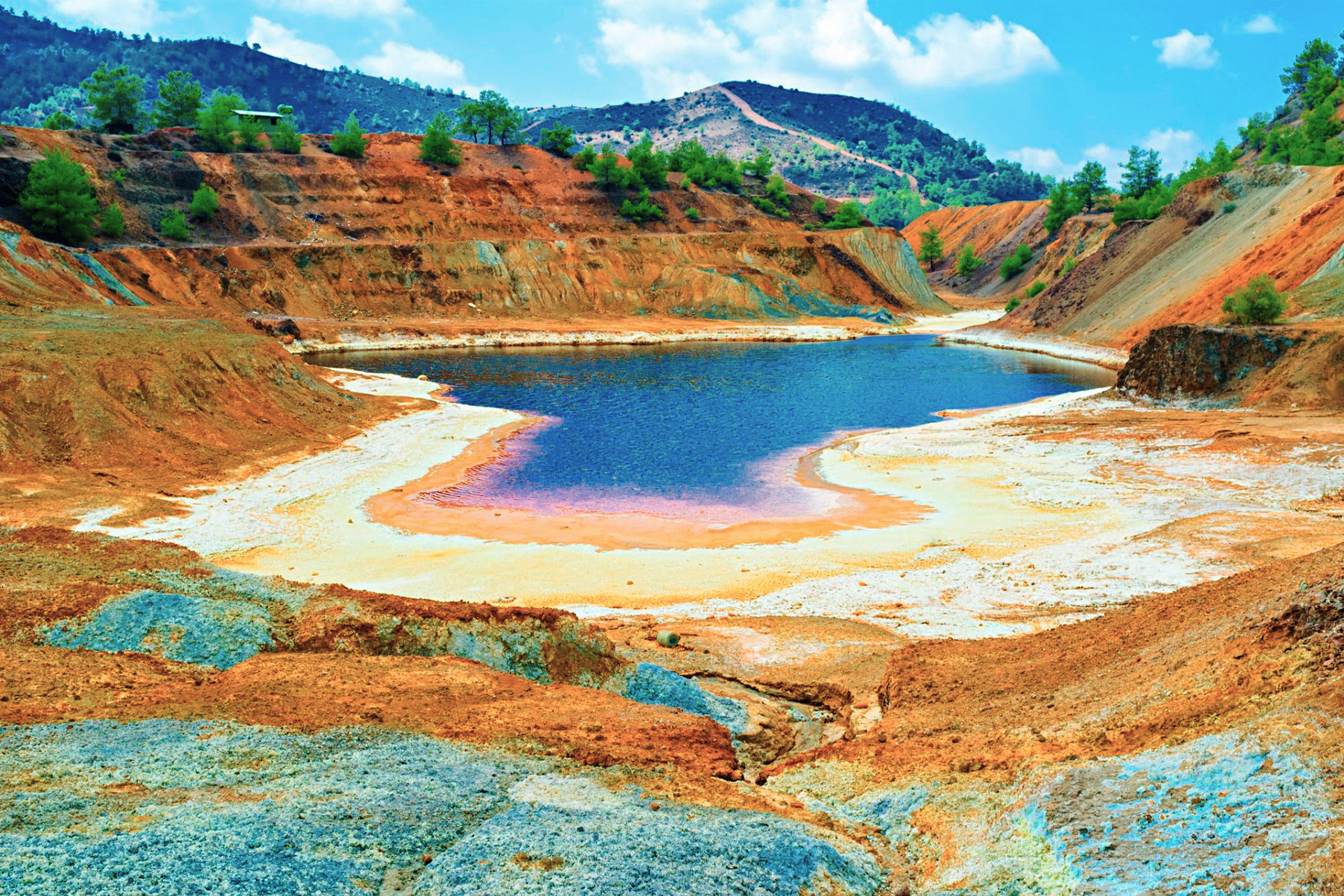
The copper-rich mountains of Cyprus, particularly the Troodos range, were seen by ancient inhabitants as divine gifts from the gods, providing not just vital metal for tools and trade but
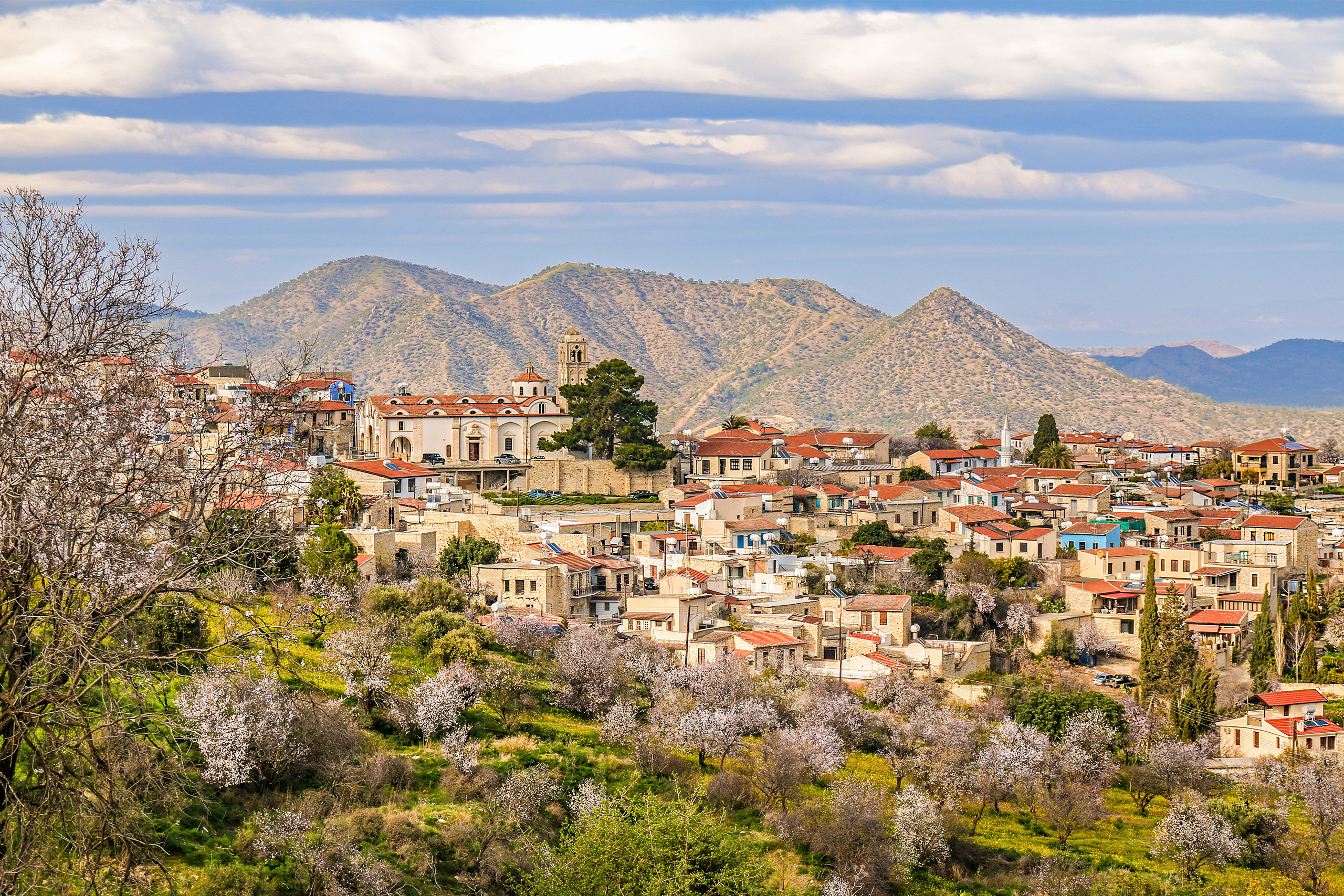
Lefkara is a traditional village in southeastern Cyprus known for its long history of fine lace-making and skilled silversmithing. Located on the southern slopes of the Troodos Mountains, the village
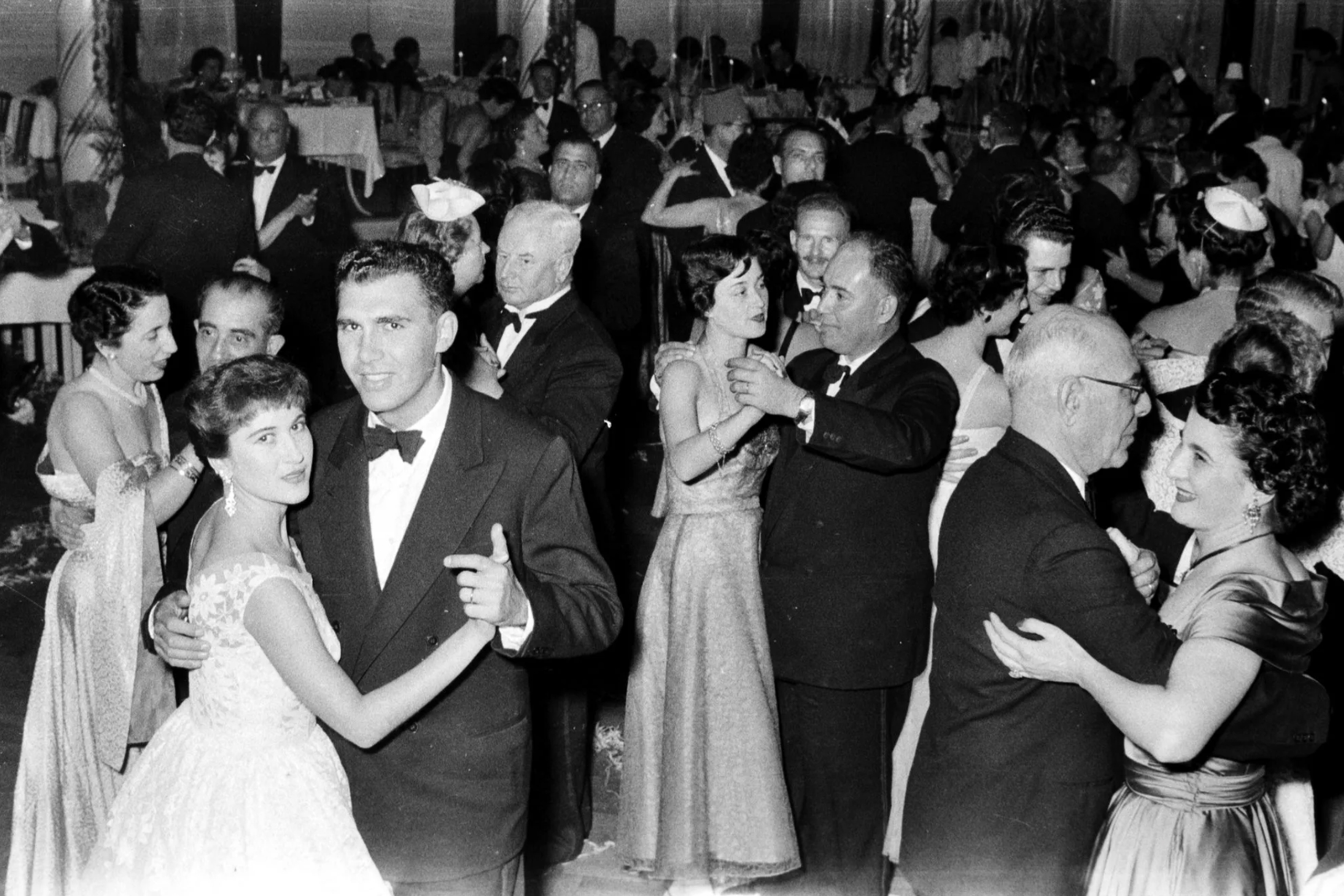
The Ledra Palace Hotel stands in central Nicosia, caught between past glory and present division. Once the capital’s most glamorous hotel, it now sits in the UN buffer zone that
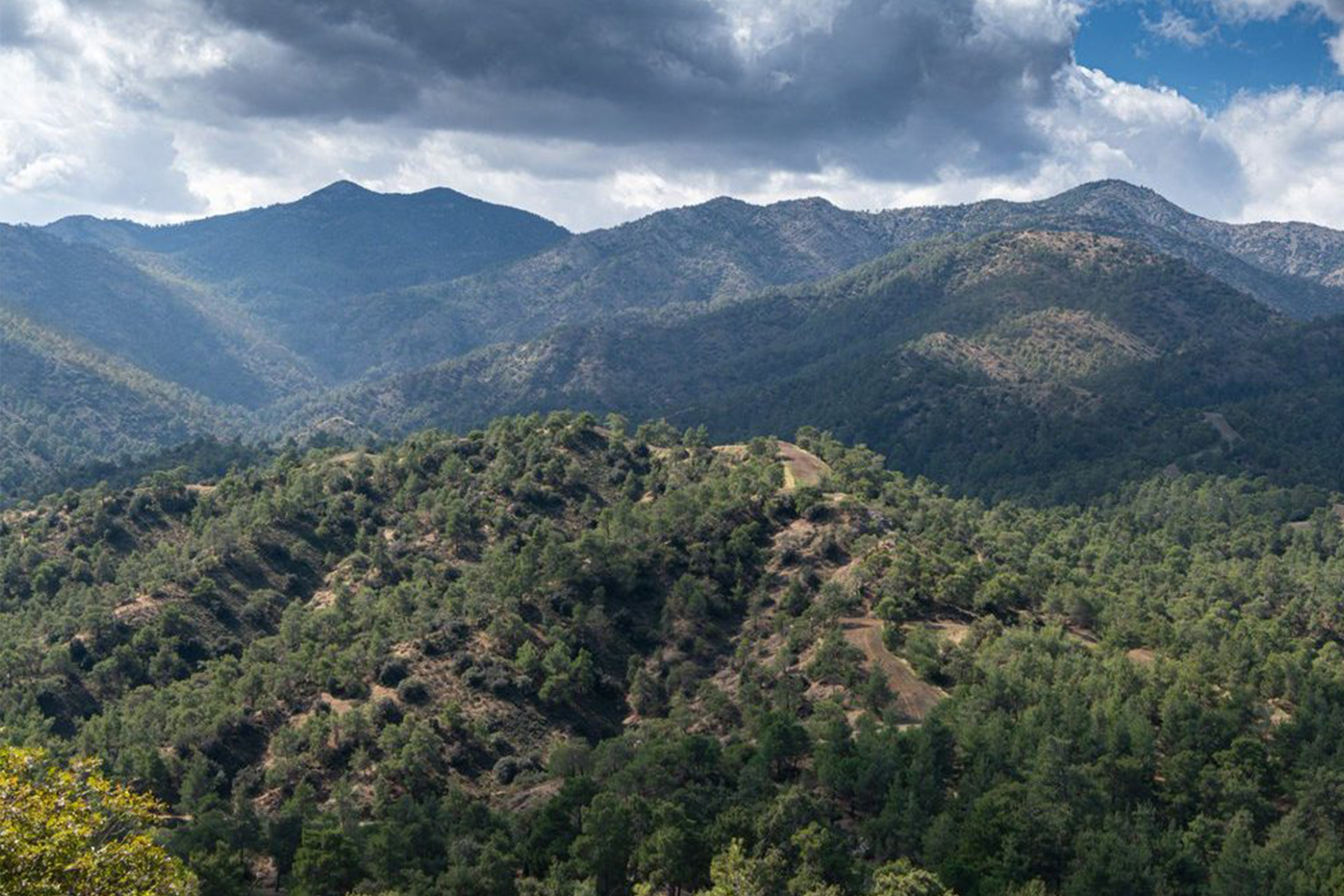
The National Forest Park of Machairas protects one of Cyprus’s most important natural areas through 6,057 hectares of Mediterranean forest. It supports over 600 plant species and serves as the
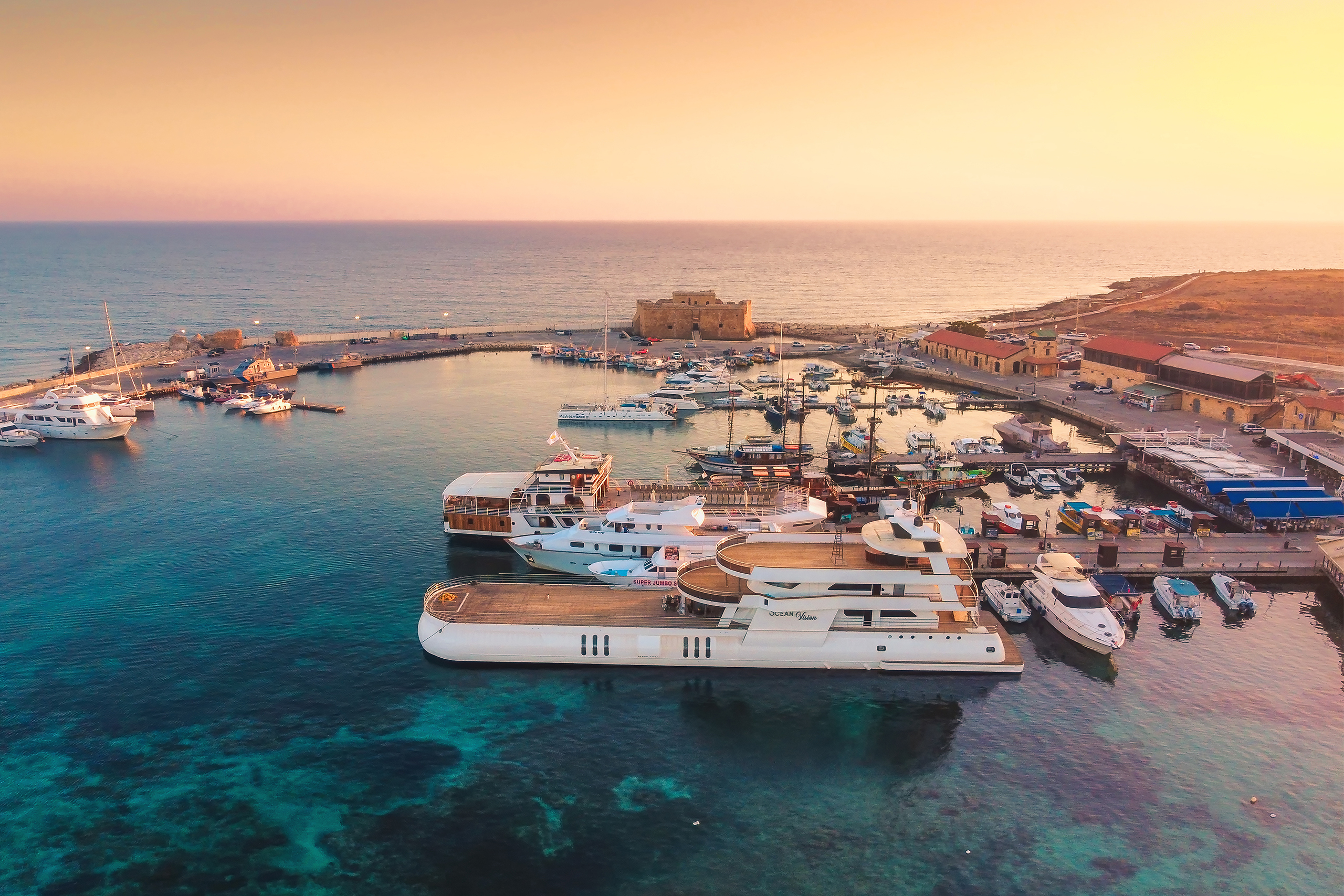
Fishing has shaped life along the Cypriot coast for thousands of years. From small family boats setting out before sunrise to modern vessels working farther offshore, the way fish are
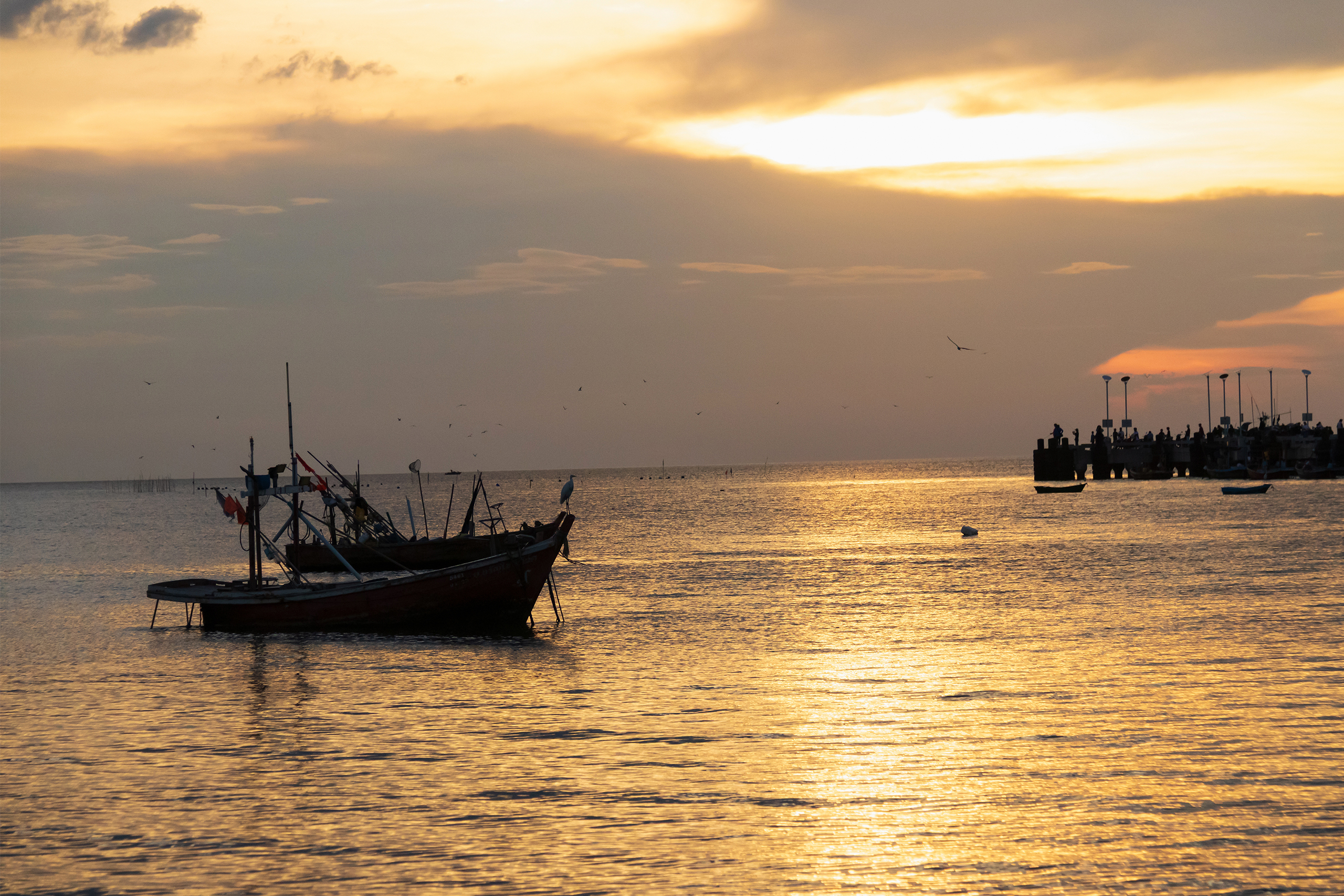
Along the Cypriot coast, fishing was never simply a job carried out at sea and forgotten once boats returned to shore. It was a shared way of life that shaped
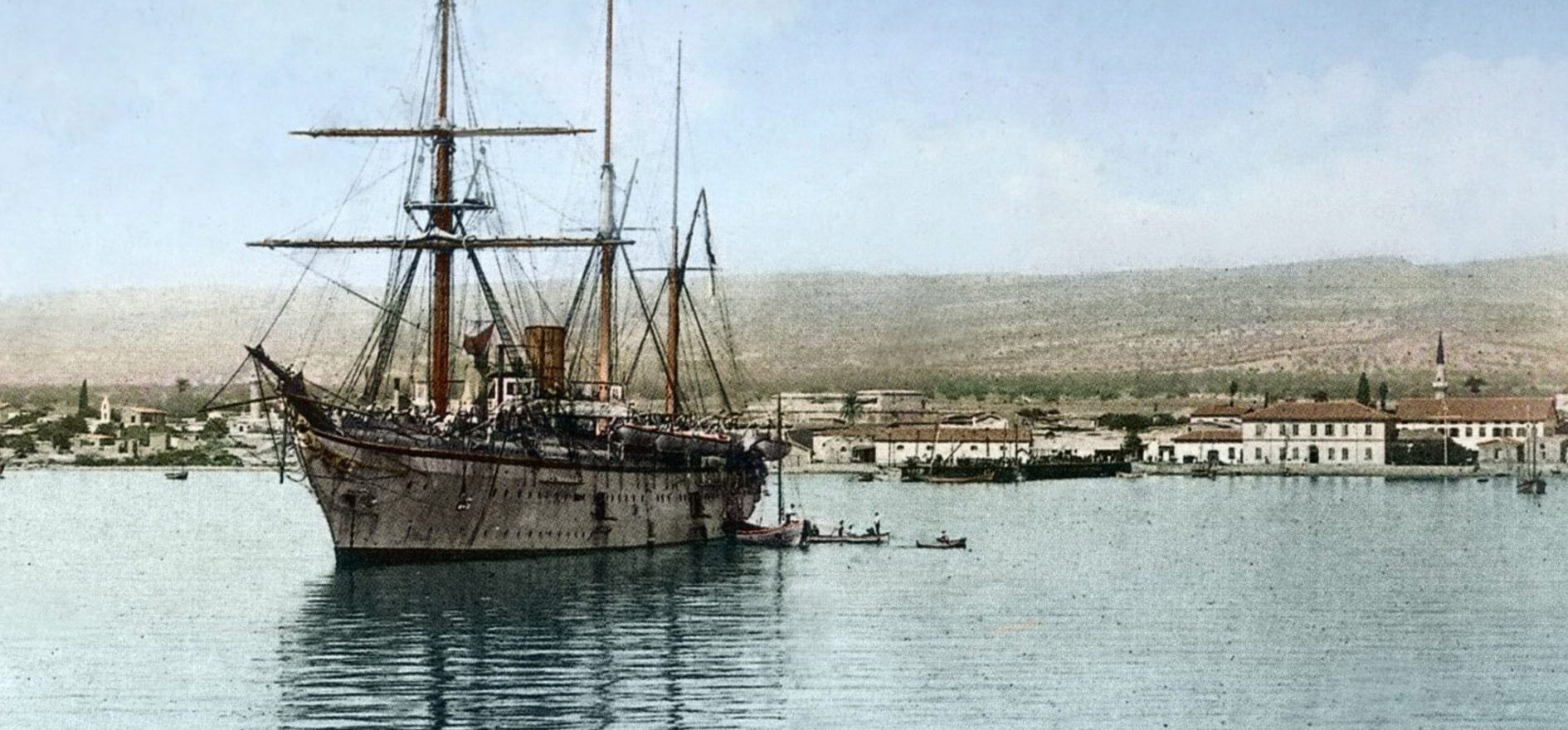
Cyprus did not become connected to the Mediterranean world by chance. Long before written records, its inhabitants learned to cross open water, build reliable vessels, and read the sea as
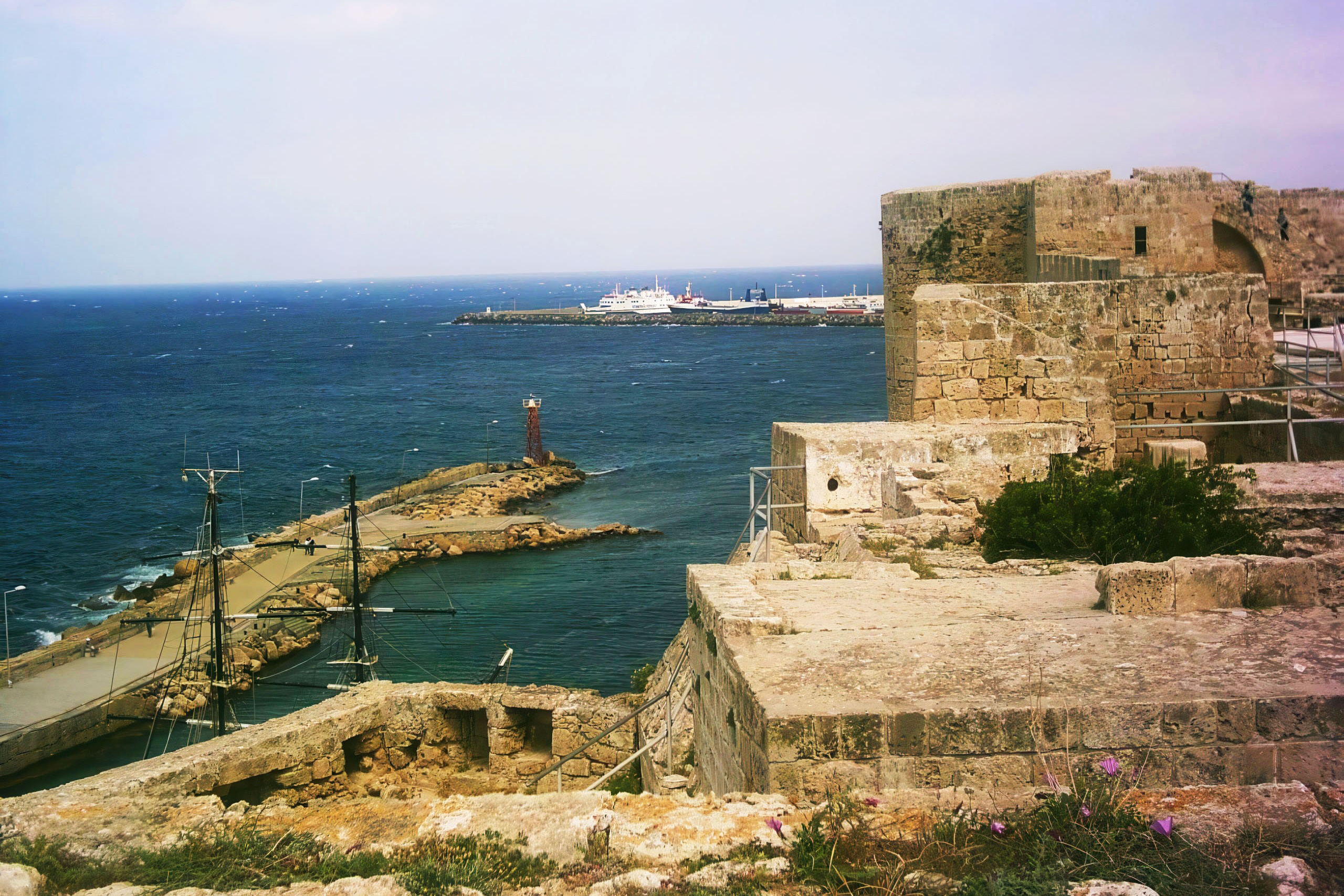
Cyprus has never treated the sea as a boundary. For centuries, its coastline functioned as a working edge where trade, defense, administration, and daily life met. In the modern period,
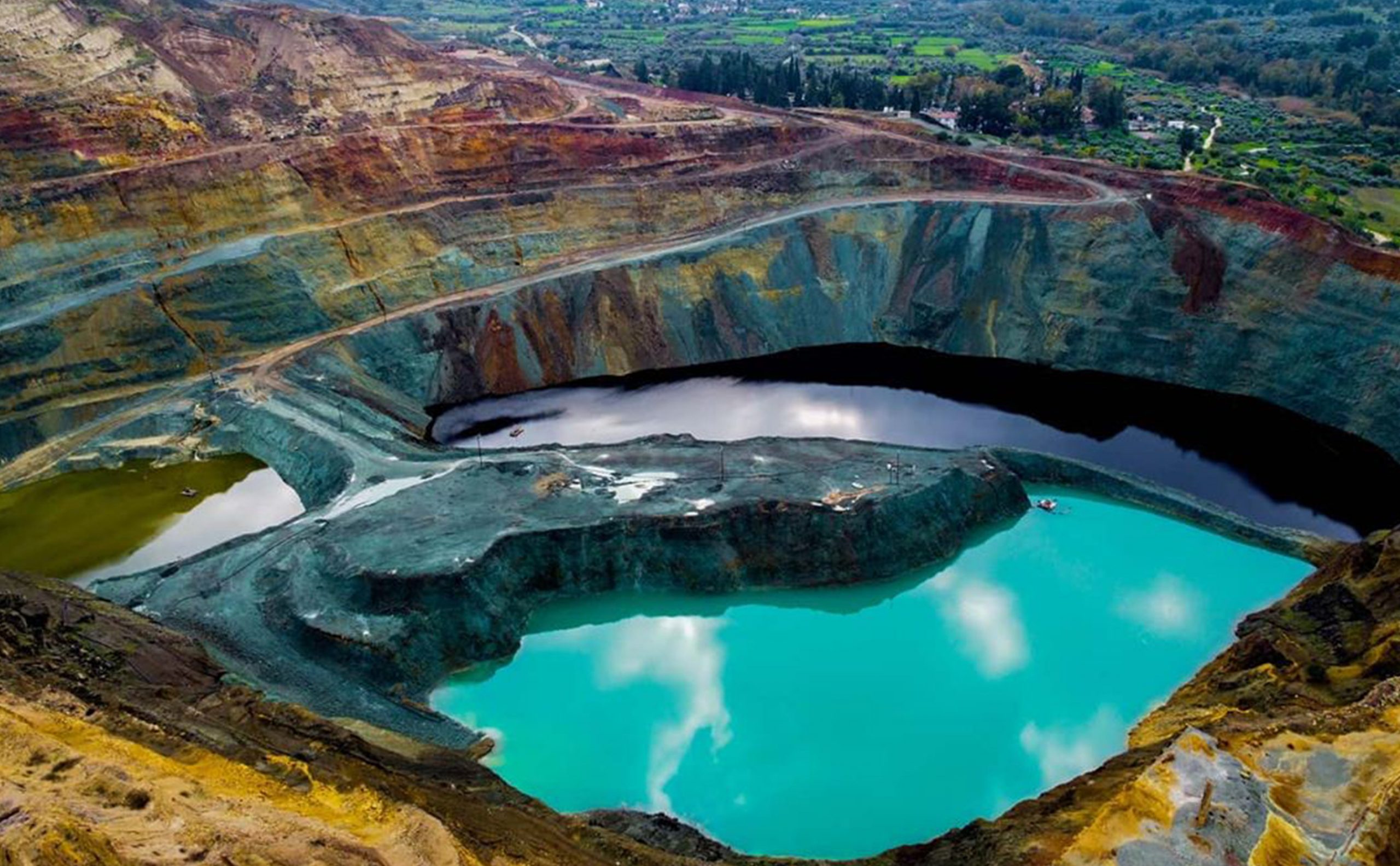
Long before Cyprus became famous for its beaches, it was known for something far more valuable: copper. Thousands of years ago, this small island became one of the most important
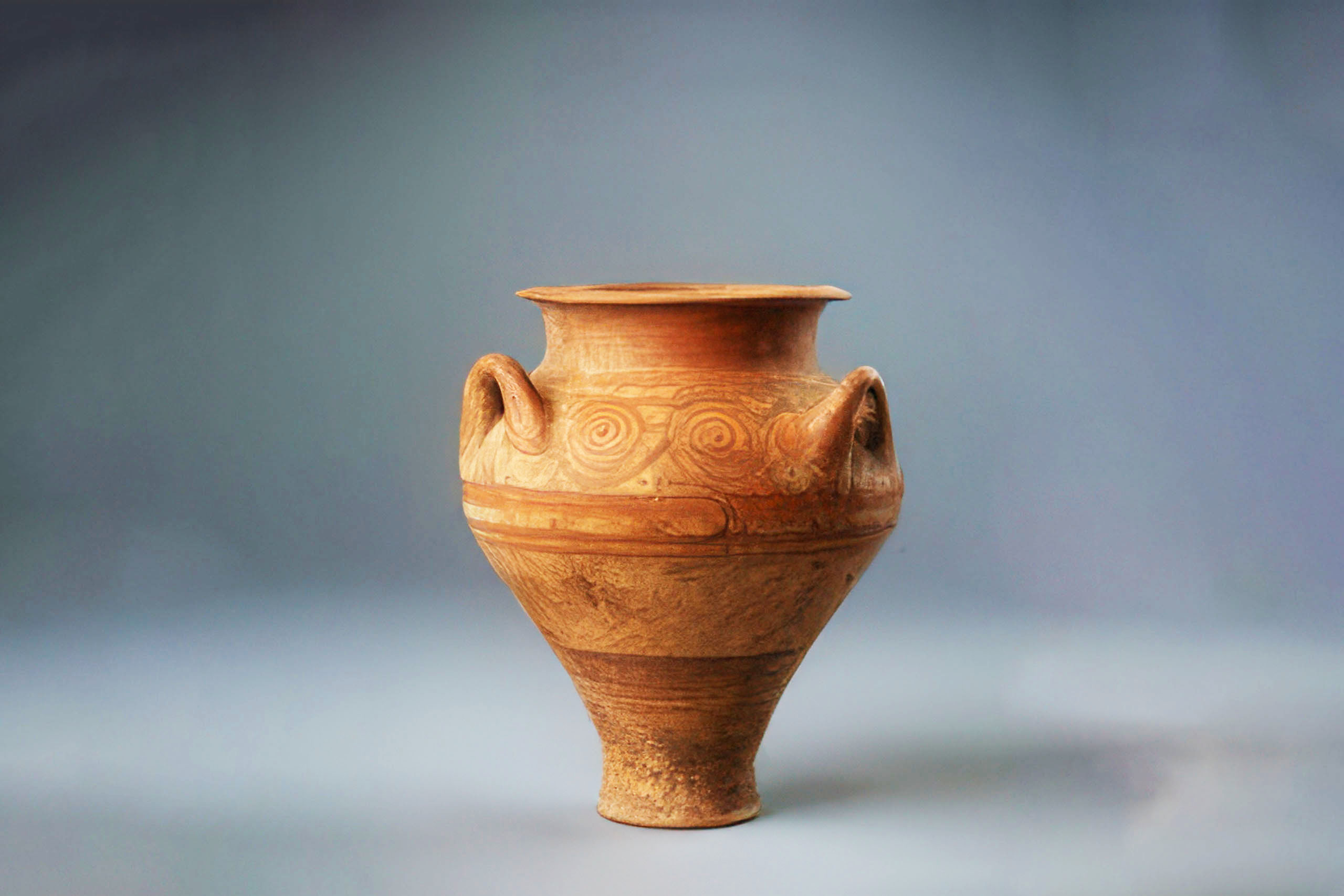
Adaptation of Imported Artistic Techniques in ancient Cyprus involved incorporating styles from regions such as Greece, Egypt, and the Near East, then modifying them to align with local beliefs and
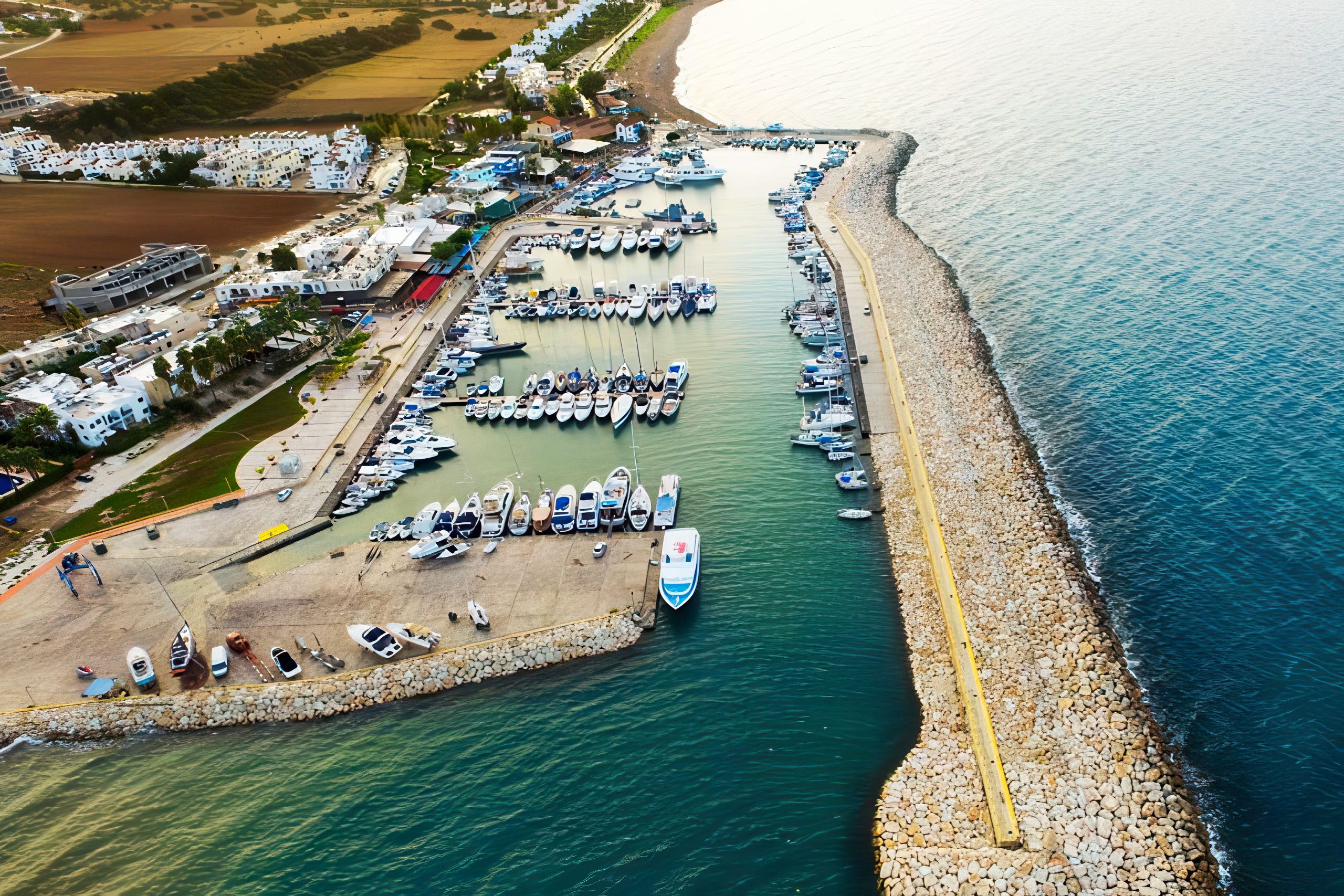
Akamas Peninsula National Park occupies the northwestern tip of Cyprus, beginning just north of Paphos and extending to Cape Arnaoutis. The landscape ranges from golden beaches and dramatic coastal cliffs