 English
 Greek
Greek German
 Russian
Cyprus was never a distant outpost of the Byzantine Empire. From late antiquity through the Middle Ages, it functioned as a frontline maritime shield, protecting the sea lanes that connected Anatolia, the Levant, and the Aegean. Byzantine naval defense on Cyprus was not limited to fleets and battles. It was a layered system combining geography, coastal fortifications, mountain surveillance, communication networks, and naval presence. Together, these elements allowed the empire to detect threats early, control movement at sea, and preserve stability in one of the Mediterranean’s most contested regions.
- An Island Positioned to Watch the Sea
- From Roman Province to Maritime Bastion
- Sea Lanes That Had to Be Controlled
- The Unusual Condominium Period
- Coastal Fortresses Guarding the Shore
- The Mountain Castles and the Art of Early Warning
- A Communication Network Ahead of Its Time
- The Byzantine Fleet Around Cyprus
- Technology and Psychological Deterrence
- Life Under Constant Maritime Threat
- The End of Byzantine Control
- What Remains Today
- Why Byzantine Naval Defense of Cyprus Still Matters
An Island Positioned to Watch the Sea
Cyprus sits at a natural crossroads of the Eastern Mediterranean. From its shores, routes radiate toward southern Anatolia, Syria and Palestine, Egypt, and the Aegean. This position made the island unavoidable for any power seeking maritime dominance in the region.
For the Byzantine Empire, Cyprus acted as a forward sentinel. Control of the island meant early visibility over naval traffic moving between the Islamic-controlled Levant and the Byzantine heartlands of Asia Minor. Losing Cyprus would have meant losing advance warning, leaving the southern coast of Anatolia and the Aegean islands exposed to sudden raids.
This strategic reality shaped every aspect of Byzantine policy on the island.
From Roman Province to Maritime Bastion
In the early Roman and late antique periods, Cyprus was relatively peaceful. The Mediterranean functioned largely as an internal imperial sea, and naval forces focused on policing rather than defense. This balance began to shift in the 4th and 5th centuries, as piracy increased and imperial cohesion weakened.
The decisive transformation came in the 7th century. The rapid expansion of the Arab Caliphate into Syria and Egypt turned the Eastern Mediterranean into a contested frontier. Cyprus suddenly found itself less than a day’s sail from hostile ports. In 649 CE, the first major Arab naval expedition struck the island, demonstrating that the sea was no longer a secure buffer.
From this point onward, Cyprus was militarized not as a single fortress, but as an integrated defensive zone.
Sea Lanes That Had to Be Controlled
Byzantine naval defense of Cyprus focused on control rather than permanent confrontation. The goal was not to block every enemy ship, but to make hostile movement visible, risky, and costly.
From Cyprus, the Byzantines could monitor:
● Routes north toward Anatolian ports and shipyards
● Routes east toward the Levantine coast
● Routes south linking Egypt to the wider Mediterranean
● Westward approaches toward the Aegean and Constantinople
This made the island a maritime hinge. Even partial loss of control would open corridors for raids deep into imperial territory.
The Unusual Condominium Period
One of the most distinctive episodes in Cypriot history occurred in 688 CE, when the Byzantine emperor and the Umayyad caliph agreed to a joint arrangement. Cyprus became a demilitarized condominium, with tax revenues shared between the two powers.
For nearly three centuries, despite ongoing warfare elsewhere, the island remained largely neutral. This arrangement worked precisely because both sides recognized Cyprus’s strategic value. Neither could afford for the other to gain exclusive control.
Naval defense during this period did not disappear. Instead, it shifted toward indirect control, surveillance, and deterrence rather than permanent garrisons.
Coastal Fortresses Guarding the Shore
When direct Byzantine control was reasserted in the 10th century, Cyprus was reorganized as a fortified maritime province. Coastal castles became the backbone of defense.
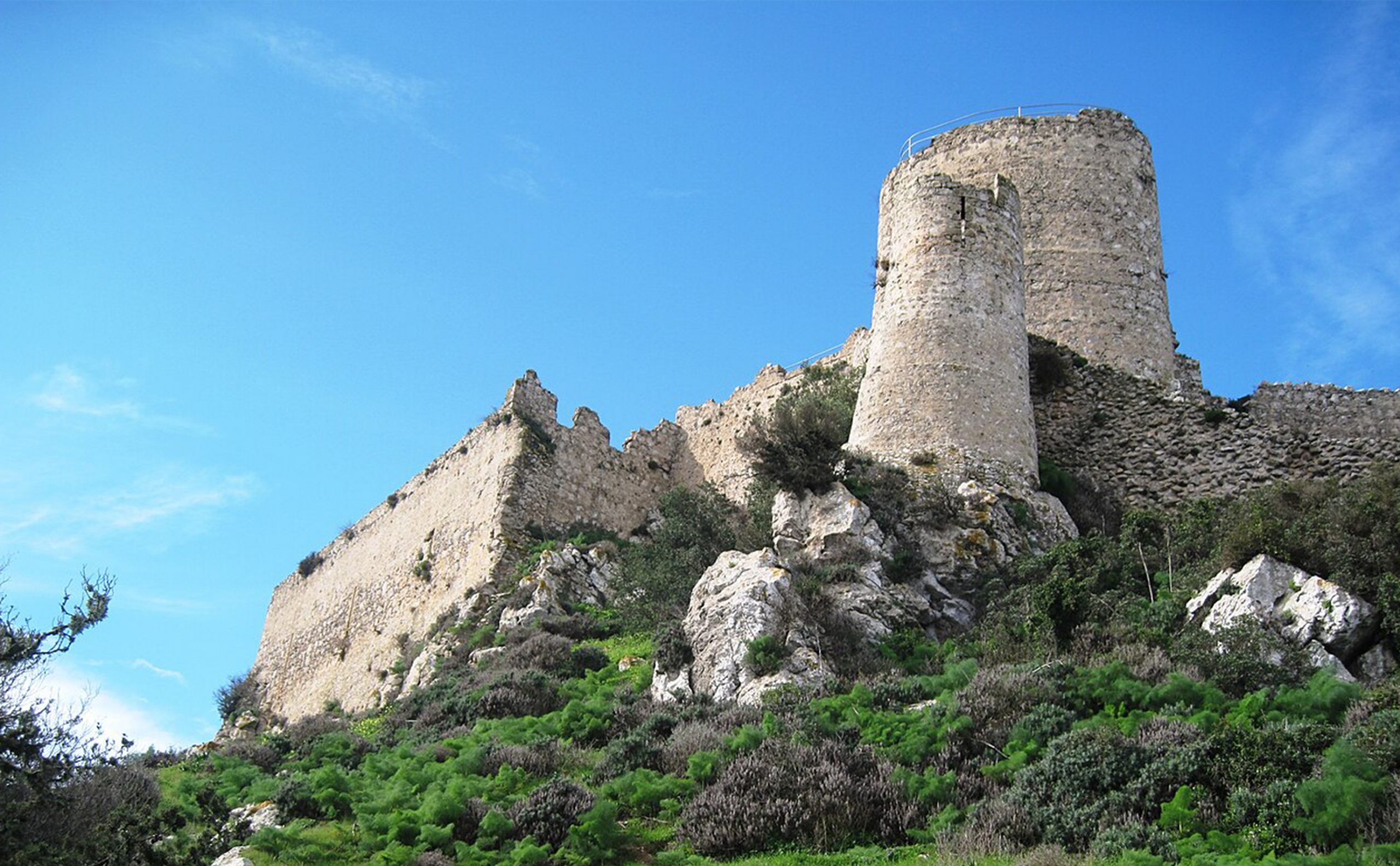
Kyrenia Castle
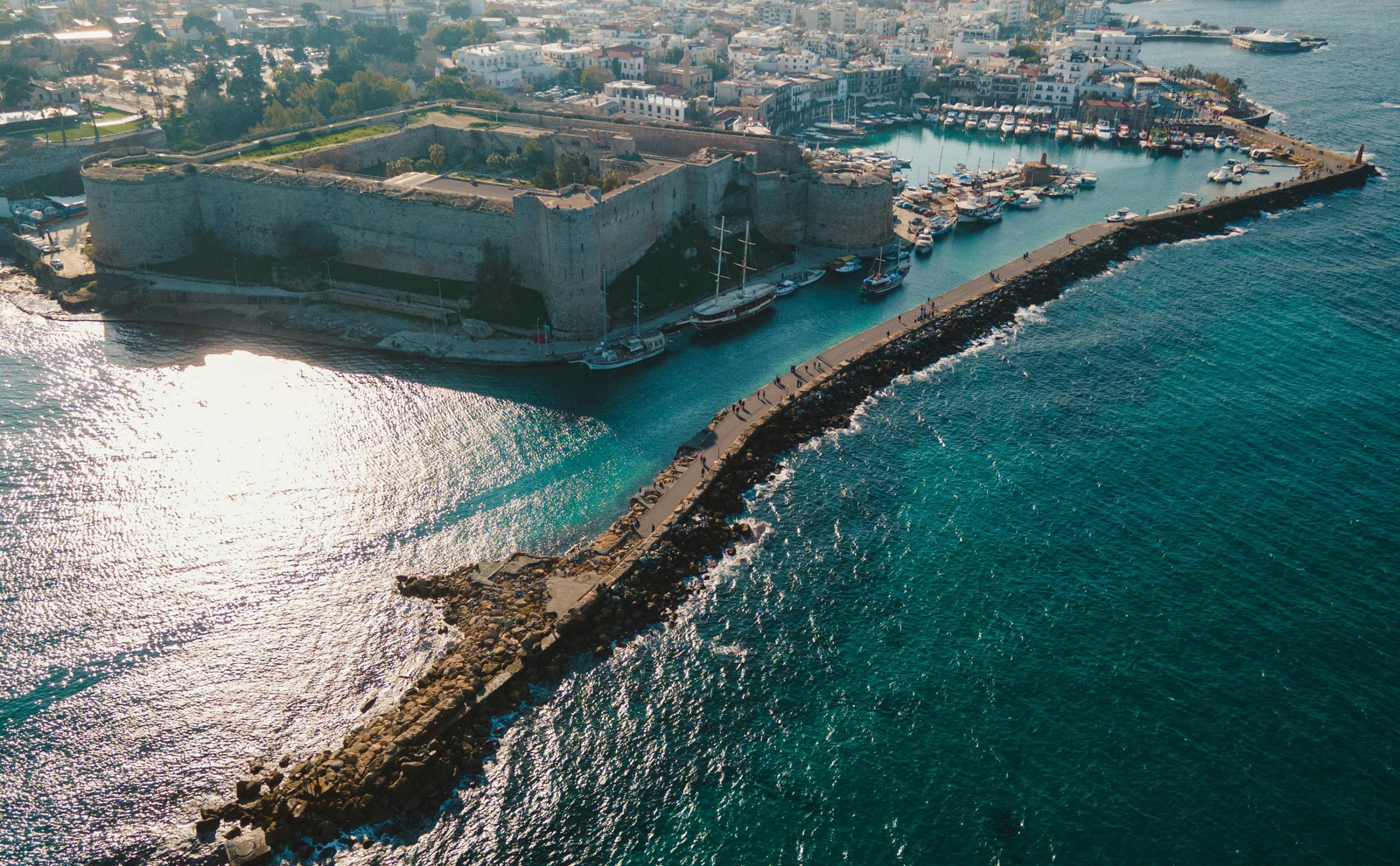
On the northern coast, Kyrenia Castle guarded one of the safest natural harbors on the island. Positioned directly between town and sea, it allowed defenders to monitor every vessel entering the port. Its Byzantine foundations were later expanded by successive rulers, but its original purpose was clear: deny enemy fleets a secure landing point.
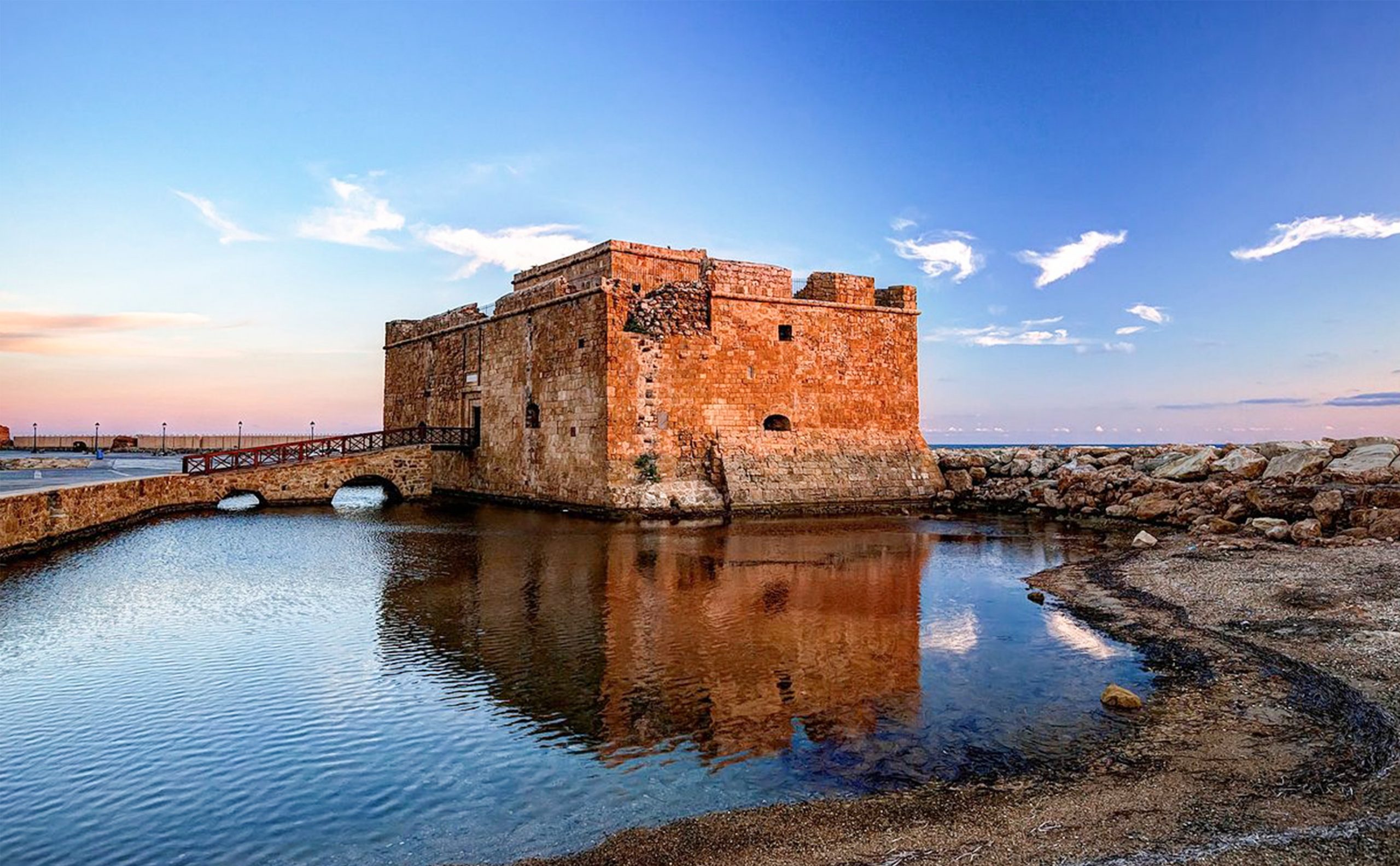
Paphos Castle
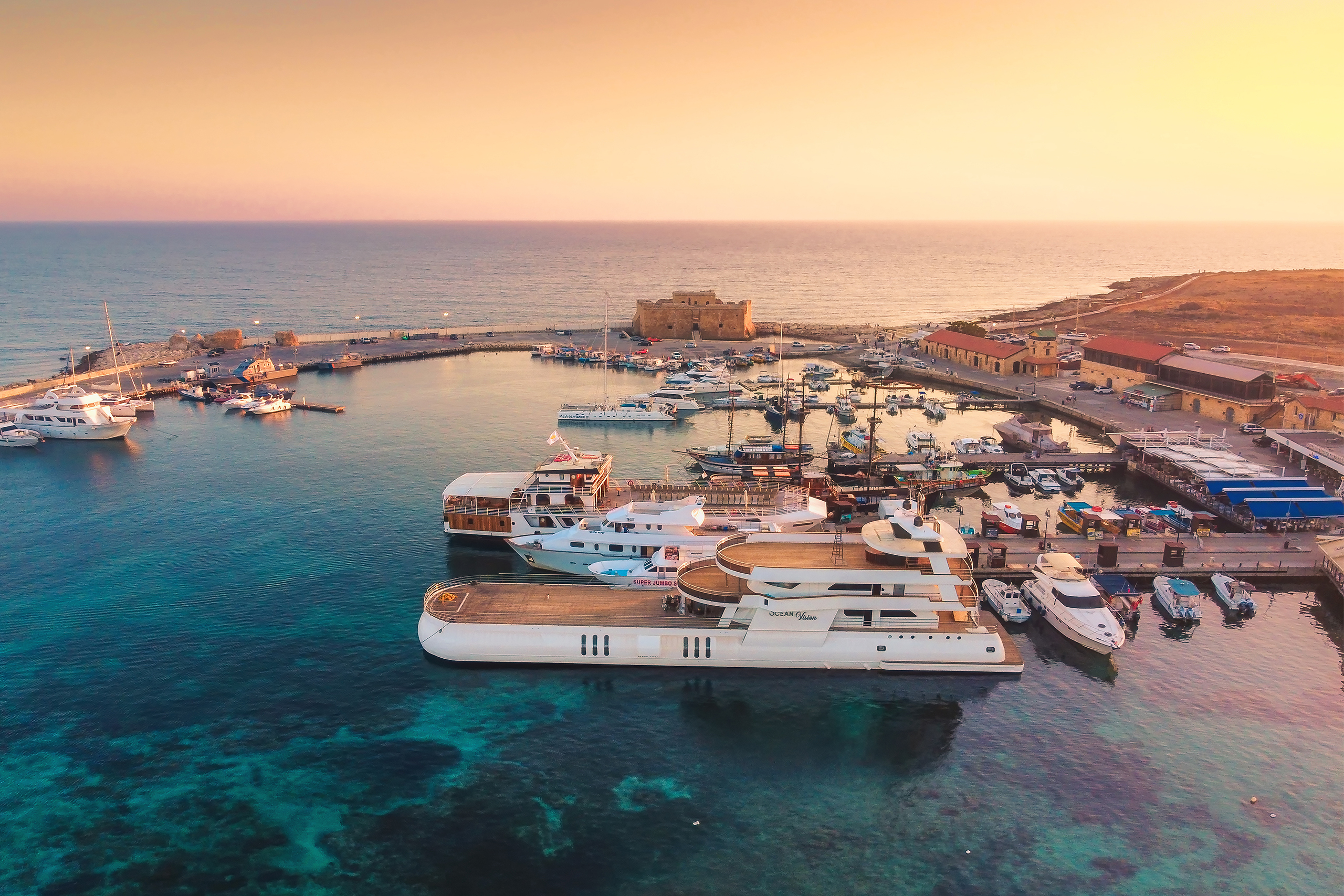
On the southwest coast, Paphos Castle protected a vital harbor that linked Cyprus to trade routes across the Mediterranean. Its placement at the water’s edge reflects a defensive philosophy focused on immediate maritime control rather than inland retreat.
These castles were not isolated strongholds. They functioned as protected anchors for naval squadrons, supply depots, and civilian refuge during raids.
The Mountain Castles and the Art of Early Warning
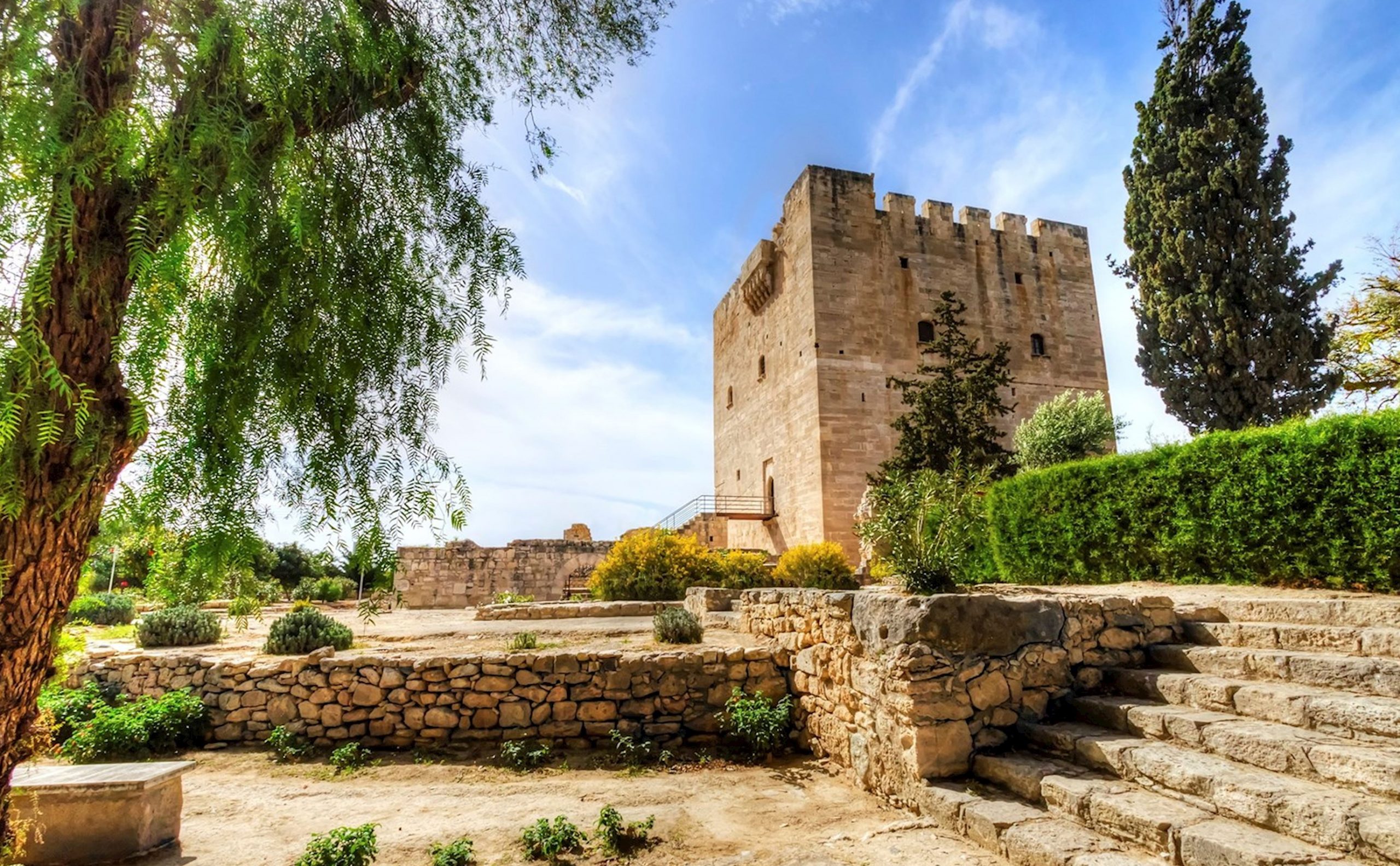
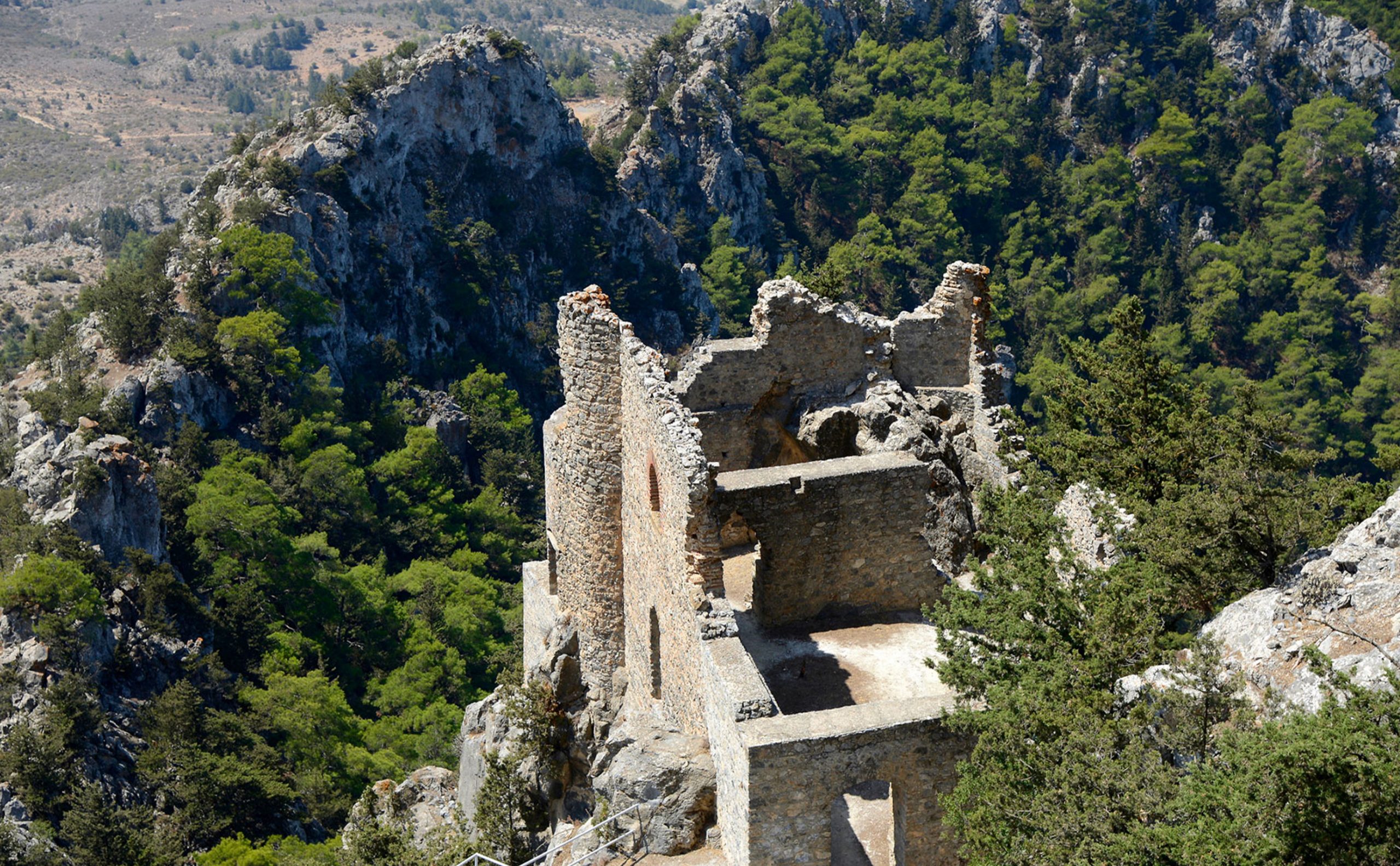
Perhaps the most distinctive feature of Byzantine defense in Cyprus was the use of mountain fortresses in the Kyrenia range. Castles such as Kantara, St. Hilarion, and Buffavento were positioned not for siege warfare, but for visibility.
From these heights, observers could see:
● The northern coastline
● Large sections of the open sea
● Signal points linking the coast to the interior
Their purpose was early detection. Once enemy sails were spotted, warnings could be relayed across the island in minutes using fire and smoke signals. This allowed coastal populations to retreat inland and naval forces to mobilize before an attack reached shore.
A Communication Network Ahead of Its Time
Byzantine defense relied heavily on communication speed. Cyprus was integrated into a wider optical signaling system that linked frontier regions to Anatolia and, ultimately, Constantinople.
● Smoke signals were used during daylight
● Fire beacons operated at night
● Timed signals allowed for more complex messages
This system turned geography into an asset. Mountains, headlands, and towers became components of a single defensive organism. Early warning often mattered more than direct confrontation, as it reduced the effectiveness of surprise attacks.
The Byzantine Fleet Around Cyprus
Naval power provided the mobile layer of defense. Byzantine fleets operating near Cyprus focused on patrol, escort, and deterrence rather than constant battle.
Their roles included:
● Escorting merchant and pilgrim vessels
● Disrupting pirate activity
● Monitoring large-scale enemy movements
The fleet’s presence alone altered enemy behavior. Raiders preferred undefended coasts, and the visibility of imperial warships often forced attackers to abandon plans or strike elsewhere.
Technology and Psychological Deterrence
One element of Byzantine naval dominance was technological intimidation. The most famous example was Greek fire, an incendiary weapon capable of burning on water.
While its actual use was limited, its reputation was powerful. Enemy fleets knew that confrontation with Byzantine warships carried unpredictable risks. This psychological edge complemented physical defenses and reinforced the idea of imperial control over the sea.
Life Under Constant Maritime Threat
For civilians, naval defense was not abstract policy. Coastal life in Cyprus was shaped by the expectation of raids.
Settlements gradually shifted:
● Away from exposed shorelines
● Toward defensible positions near castles
● Into zones covered by signal networks
Fishing, trade, and agriculture depended on the stability provided by naval protection. Without it, coastal communities faced enslavement, destruction, and economic collapse. Byzantine defense allowed daily life to continue even in an age of instability.
The End of Byzantine Control
By the late 12th century, the Byzantine navy had weakened, and imperial coordination declined. In 1191, Cyprus was captured by Richard the Lionheart during the Third Crusade. The island passed into new political hands, but the defensive structures remained.
Castles, harbors, and mountain fortresses continued to shape military planning under later rulers, from the Lusignans to the Venetians.
What Remains Today
Modern visitors to Cyprus still encounter the physical legacy of Byzantine naval defense.
● Coastal castles define harbor layouts
● Mountain fortresses dominate skylines
● Settlement patterns reflect centuries of strategic adaptation
Standing on the walls of Kyrenia or looking out from Kantara, it is easy to understand how visibility, height, and proximity to the sea defined survival.

Why Byzantine Naval Defense of Cyprus Still Matters
The Byzantine defense of Cyprus demonstrates a timeless strategic truth. Control of the sea is rarely achieved through fleets alone. It depends on geography, infrastructure, communication, and restraint.
Cyprus was not defended by constant warfare, but by making aggression difficult, visible, and costly. This approach allowed the Byzantine Empire to project stability across the Eastern Mediterranean for centuries.
The island’s ruins are not simply relics of conflict. They are reminders that endurance often comes from systems designed to prevent crises rather than glorify battle. In that sense, Cyprus remains what it was in Byzantine times: a place where land and sea, vigilance and patience, continue to shape history.