 English
 Greek
Greek German
 Russian
Mythological Origins and Cypriot Connections
Adonis is one of the most symbolically rich figures in Mediterranean mythology, closely linked to Cyprus through narratives that connect the island to themes of beauty, mortality, and regeneration. According to tradition, Adonis was born under extraordinary circumstances connected to the tragic story of Myrrha, daughter of King Kinyras of Cyprus. After Myrrha was transformed into a tree as a result of divine punishment, Adonis emerged from its trunk, entering the world already marked by themes of transformation and renewal. His birth in this context rooted his identity in the land and mythic heritage of Cyprus, tying the island to a cycle of death and rebirth that became central to his cult.
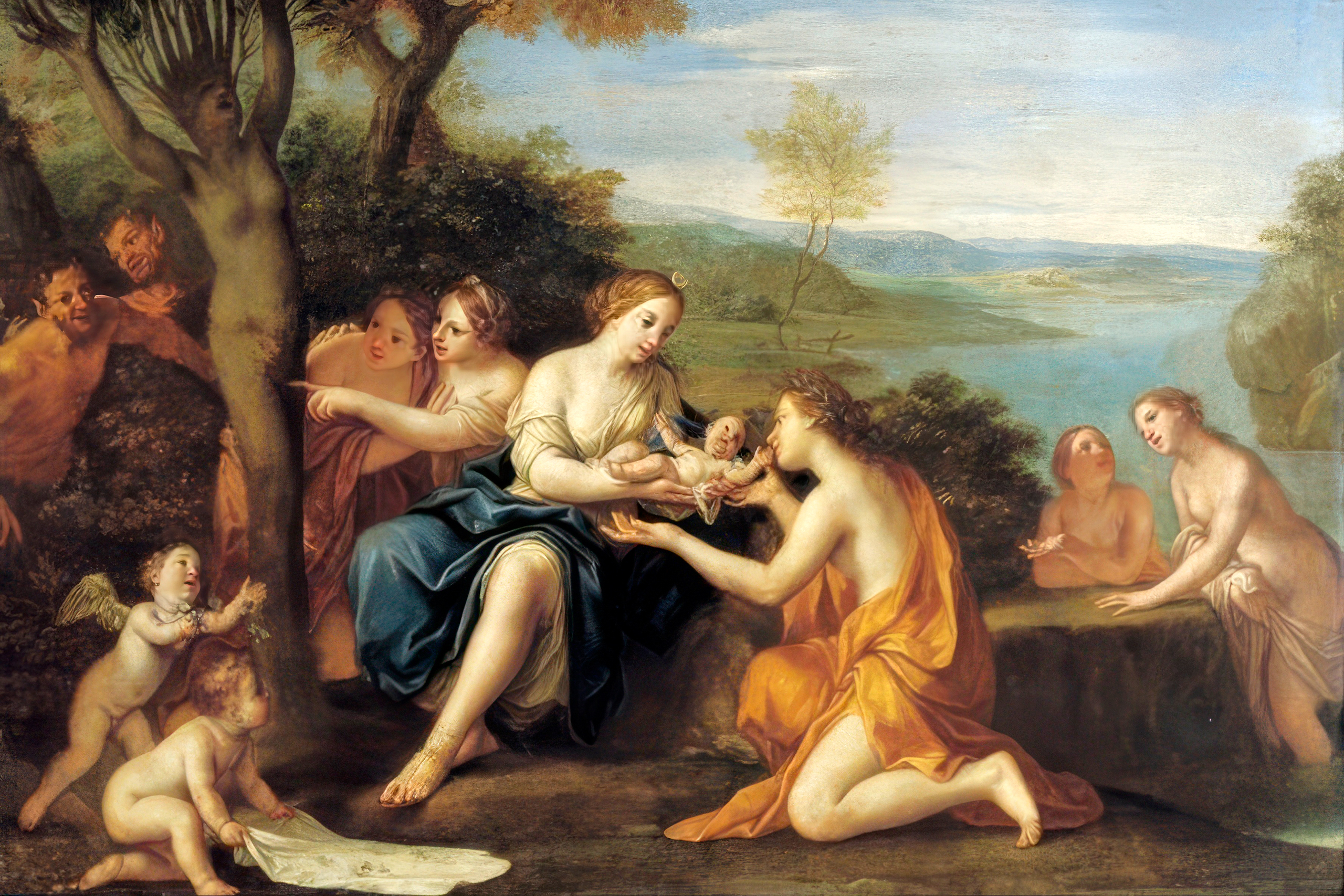
The association of Adonis with Cyprus strengthened the island’s role in Mediterranean religious imagination. Just as Aphrodite was believed to have a special connection to Cyprus, so too was Adonis linked to its sacred geography. The myth of his birth from a tree resonated with agricultural symbolism, making him a figure through whom the rhythms of nature and the human experience of loss and hope could be expressed. His story became a bridge between mythological narrative and ritual practice.
The Love of Aphrodite and the Fragility of Beauty
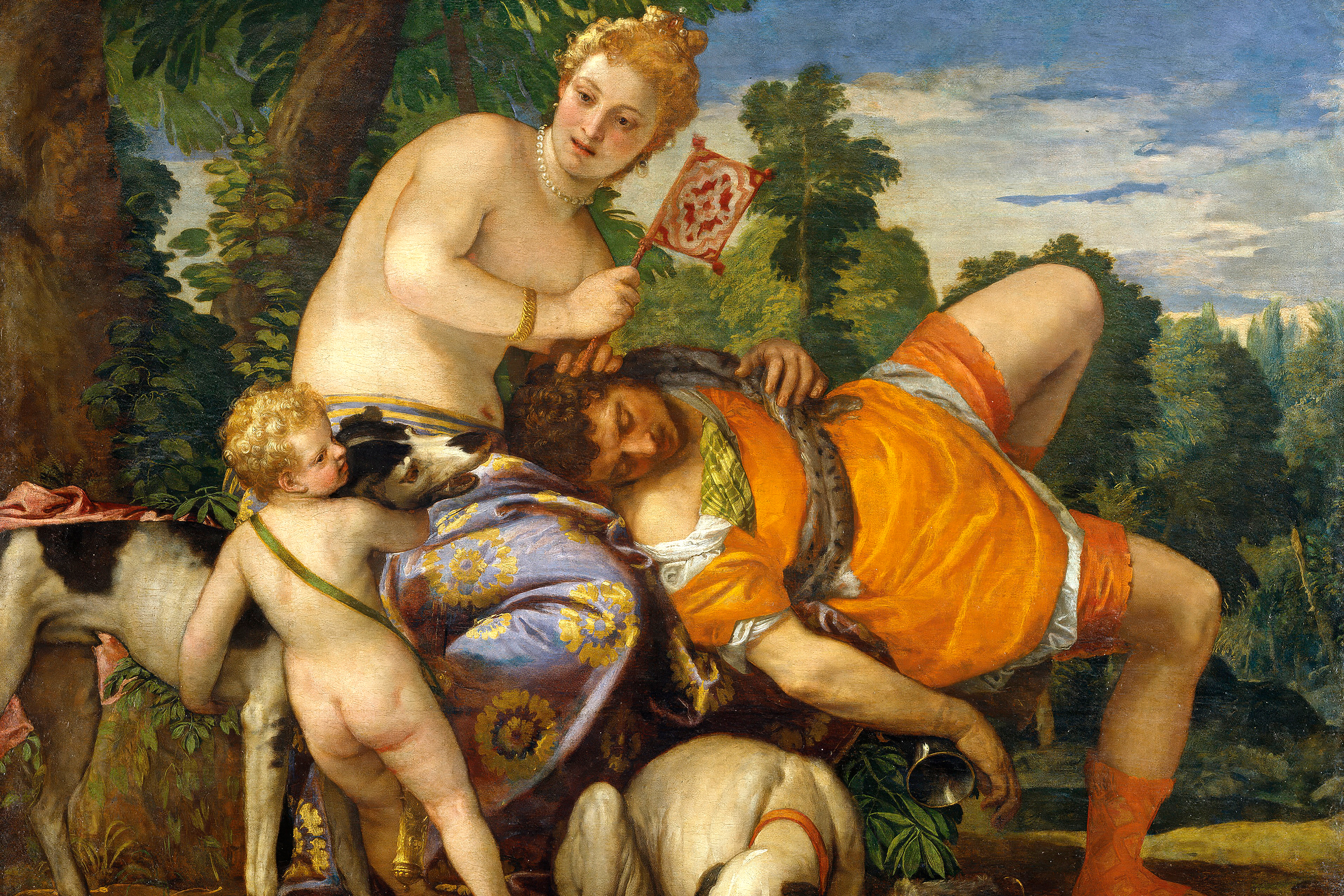
Adonis is best known for his relationship with Aphrodite, who fell deeply in love with him. This union between the goddess of love and a mortal youth emphasizes the interplay between divine desire and human vulnerability. Adonis was renowned for his beauty, which in myth symbolized the brief flowering of life. His attractiveness drew divine attention but also placed him at risk, reflecting the idea that beauty and mortality are closely linked.
The narrative of their relationship often includes warnings about danger and the inevitability of loss. Despite Aphrodite’s protection, Adonis is fatally wounded during a hunt, usually by a wild boar. His death represents the sudden end of youthful vitality and the fragility of life’s peak moments. This tragedy reinforces the theme that even divine love cannot fully shield mortals from the forces of nature and fate.
Death, Descent, and Renewal
After Adonis’s death, myths describe his descent into the underworld and eventual partial return. In some versions, he is allowed to spend part of the year with Aphrodite and part in the realm of the dead. This cyclical pattern mirrors the seasonal rhythm of vegetation, where plants die back in one season and re-emerge in another. Adonis thus becomes a personification of natural cycles, embodying both loss and renewal.
The idea of periodic return transforms his story from pure tragedy into one of regeneration. His death does not mark an absolute end but part of a recurring pattern. This concept resonated strongly in agricultural societies, where survival depended on understanding and honoring seasonal change. Adonis’s myth offered a narrative framework that made sense of the natural world’s cycles, linking human emotion to environmental rhythms.
Ritual Mourning and the Adonia Festival
The cult of Adonis involved rituals of mourning that reflected the emotional dimension of his myth. The festival known as the Adonia included ceremonies where participants lamented his death, often planting small gardens that sprouted quickly and withered just as fast. These “Adonis gardens” symbolized the fleeting nature of life and beauty. The act of tending and then watching these plants die created a tangible expression of grief and transience.
Such rituals were not solely expressions of sorrow but also acknowledgments of renewal. The cycle of planting and decay mirrored the mythic pattern of Adonis’s life and return. Through ritual performance, communities engaged emotionally with the themes of mortality and regeneration, transforming myth into lived religious experience.
Cultural Exchange and Mediterranean Spread
Although deeply connected to Cyprus, the cult of Adonis spread widely across the Mediterranean. Influences from Near Eastern traditions contributed to his development, and Greek and later Roman cultures incorporated him into their religious frameworks. This diffusion demonstrates how Cyprus served as a cultural crossroads where mythological ideas could travel and evolve.
As Adonis became part of broader Mediterranean religious life, his association with Cyprus remained an important aspect of his identity. The island’s sacred reputation as a place of fertility and divine presence provided a fitting backdrop for his story, reinforcing its symbolic power.
Symbolism of Vegetation and Human Experience
Adonis represents more than a mythological figure; he symbolizes the deep connection between human life and the natural environment. His story reflects the understanding that growth and decay are inseparable parts of existence. By embodying seasonal cycles, he bridges the gap between cosmic patterns and personal emotion.
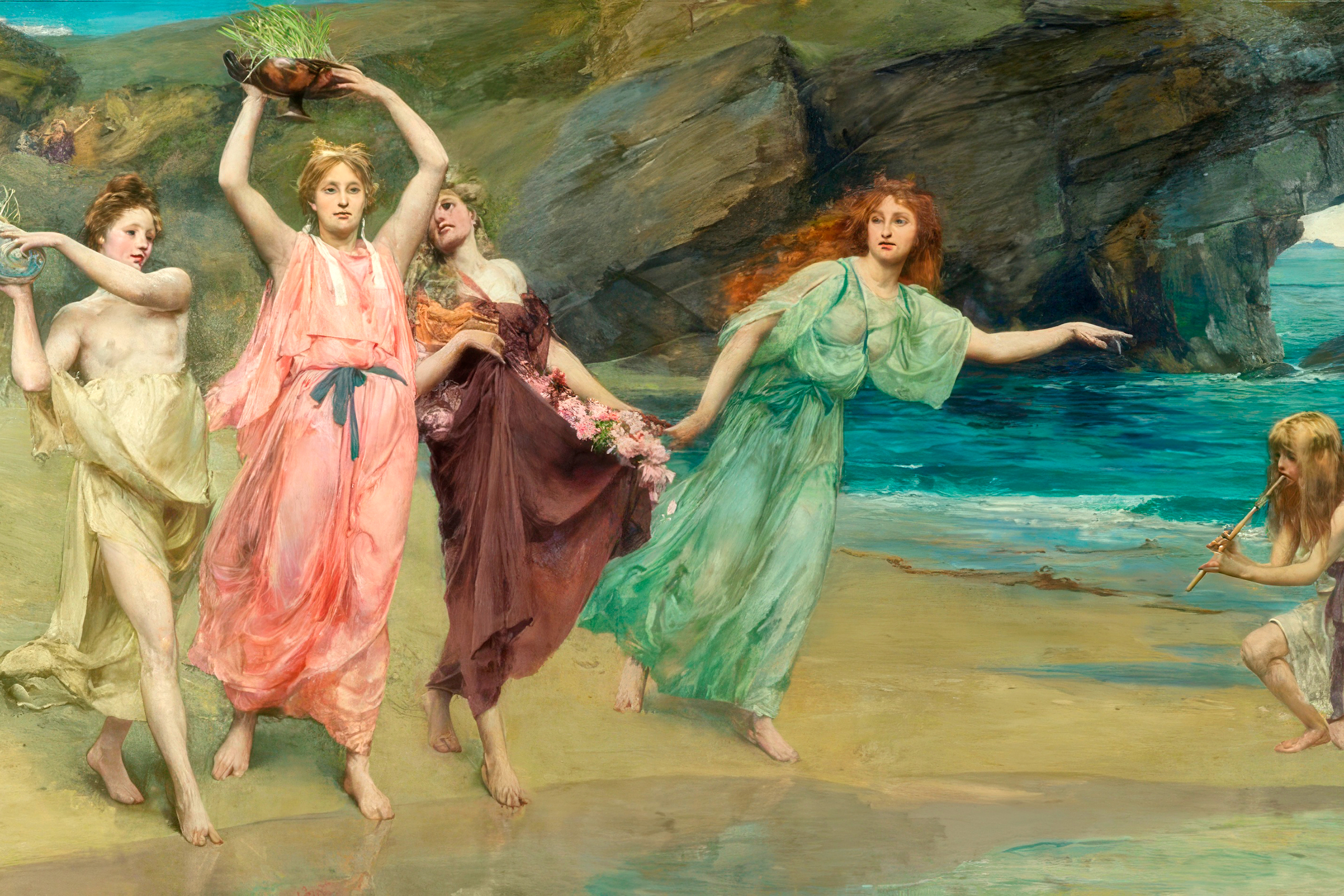
The rituals associated with him allowed individuals to express grief in a communal setting, integrating personal feelings with collective religious practice. Through these ceremonies, ancient societies acknowledged the inevitability of loss while affirming the promise of renewal.
Enduring Cultural Legacy
The myth of Adonis inspired artistic and literary traditions throughout antiquity and beyond. Poets, sculptors, and dramatists found in his story a powerful exploration of beauty and mortality. These interpretations preserved his symbolic role as a figure of transient youth and cyclical rebirth.
The continued retelling of his myth ensured that the themes associated with Cyprus’s sacred landscape remained present in cultural memory. Through Adonis, the island’s mythological heritage became linked to universal reflections on life, death, and regeneration.
Conclusion
Adonis stands as a central figure in Mediterranean mythology, closely tied to Cyprus through narratives of birth, love, death, and renewal. His story expresses the rhythms of vegetation cycles and the emotional realities of loss and hope. Through ritual mourning and symbolic gardens, ancient communities engaged with his myth as part of seasonal and spiritual practice. The association of Adonis with Cyprus reinforces the island’s identity as a sacred landscape where divine presence and natural cycles intersect. His enduring legacy illustrates how myth can transform human experience into a shared understanding of life’s fragile yet regenerative nature.