 English
 Greek
Greek German
 Russian
Cyprus is an island with a long memory. Long before cities were built and kingdoms were named, the people who lived here believed that the land around them was alive. Springs, forests, rivers, mountains, and the sea itself were not just features of the landscape.
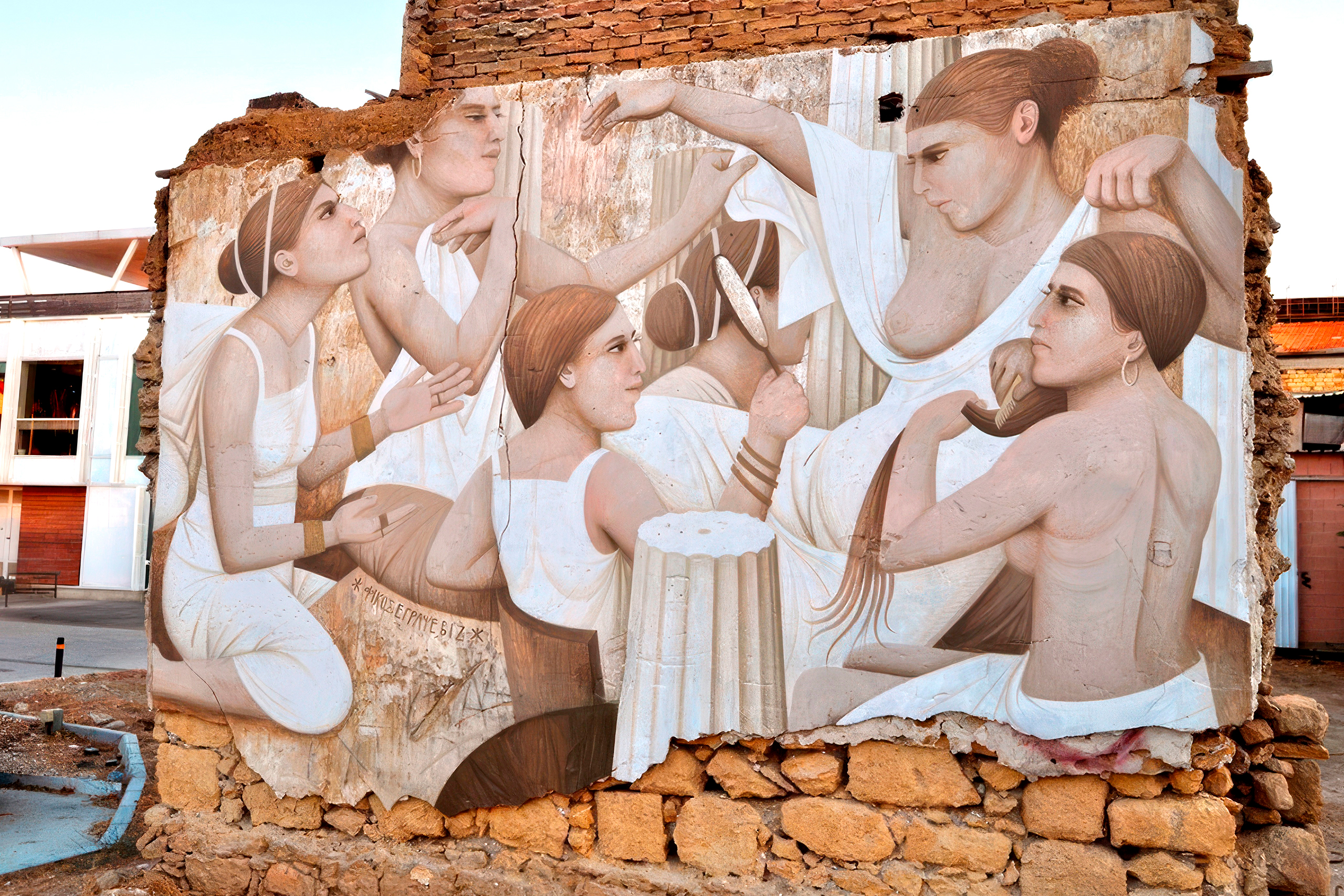
They were home to spirits. These spirits had names, roles, and personalities. The Greeks called them nymphs, and on Cyprus, they took on a life of their own, shaped by the island’s unique mix of Greek, Phoenician, and local traditions.
Nymphs were not gods. They sat below the major gods in rank, but they were present everywhere, and the people of Cyprus respected them for it.
Historical Background
The belief in nature spirits on Cyprus goes back a long way, well before the Greeks arrived. The island was a meeting point for cultures from Greece, Egypt, Phoenicia, and Anatolia. Each of these brought its own ideas about the natural world. The Greeks had a detailed system for classifying nymphs by the type of nature they were tied to: water, trees, mountains, or the sea.
When Greek ideas reached Cyprus, they mixed with local beliefs that already existed on the island. The result was something distinct. Cypriot nymph traditions were not a simple copy of Greek mythology. They were a blend, shaped by the land itself and by the gods that Cypriots already worshipped, most of all Aphrodite.
The Main Types of Nymphs on Cyprus
Nymphs on the island fell into several categories, each tied to a specific part of nature.
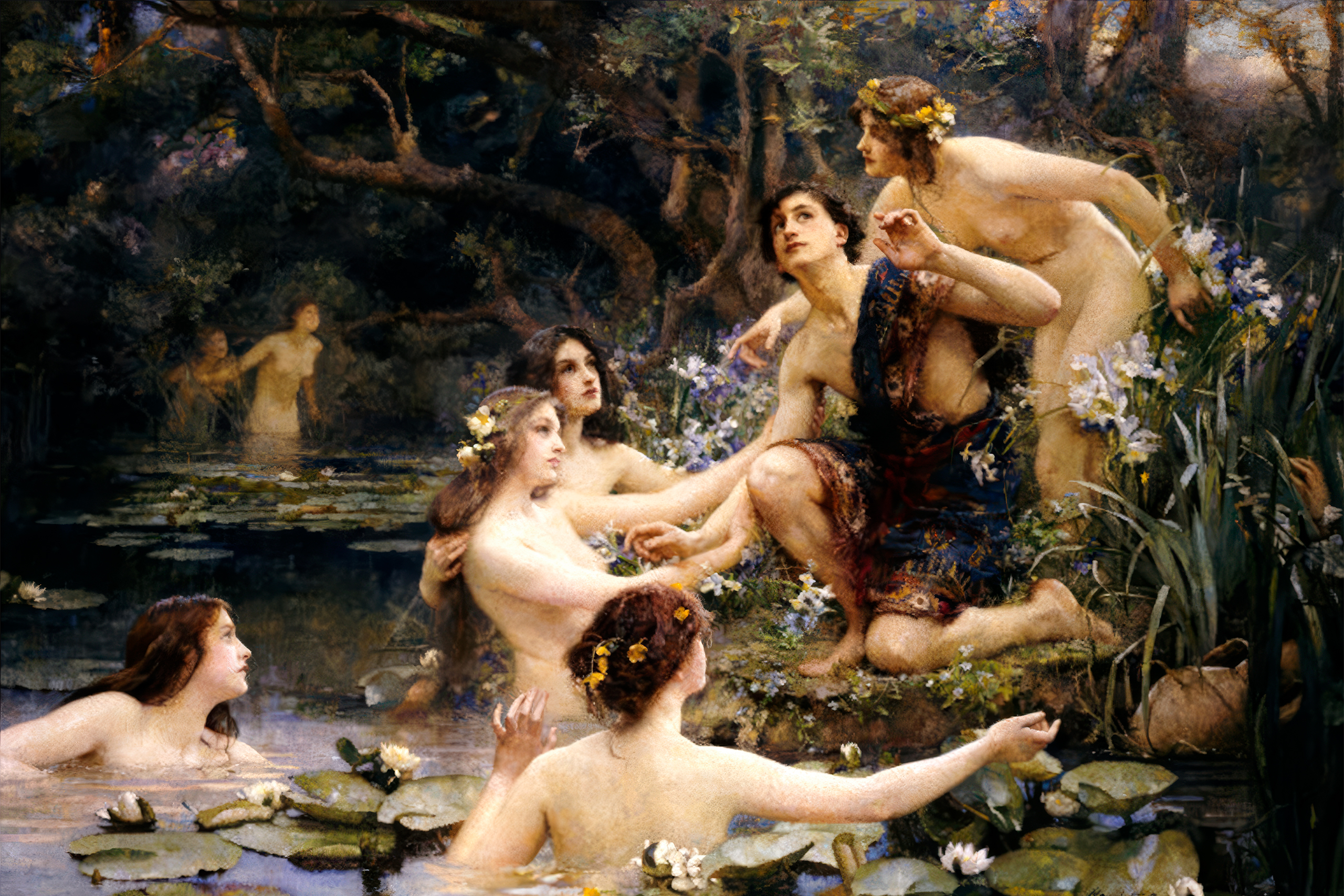
The Naiads were freshwater spirits. They lived in springs, rivers, and streams. On Cyprus, they were connected to the fertile plains and the rivers that fed them. The most famous story involving Cypriot Naiads comes from the myth of Adonis. According to the Roman poet Ovid, the princess Myrrha, daughter of King Cinyras of Paphos, was transformed into a myrrh tree after fleeing her father. When the tree split open and gave birth to a baby boy, it was the Naiads of Cyprus who laid the child on soft grass and bathed him. That child was Adonis, one of the most important figures in all of Cypriot myth.
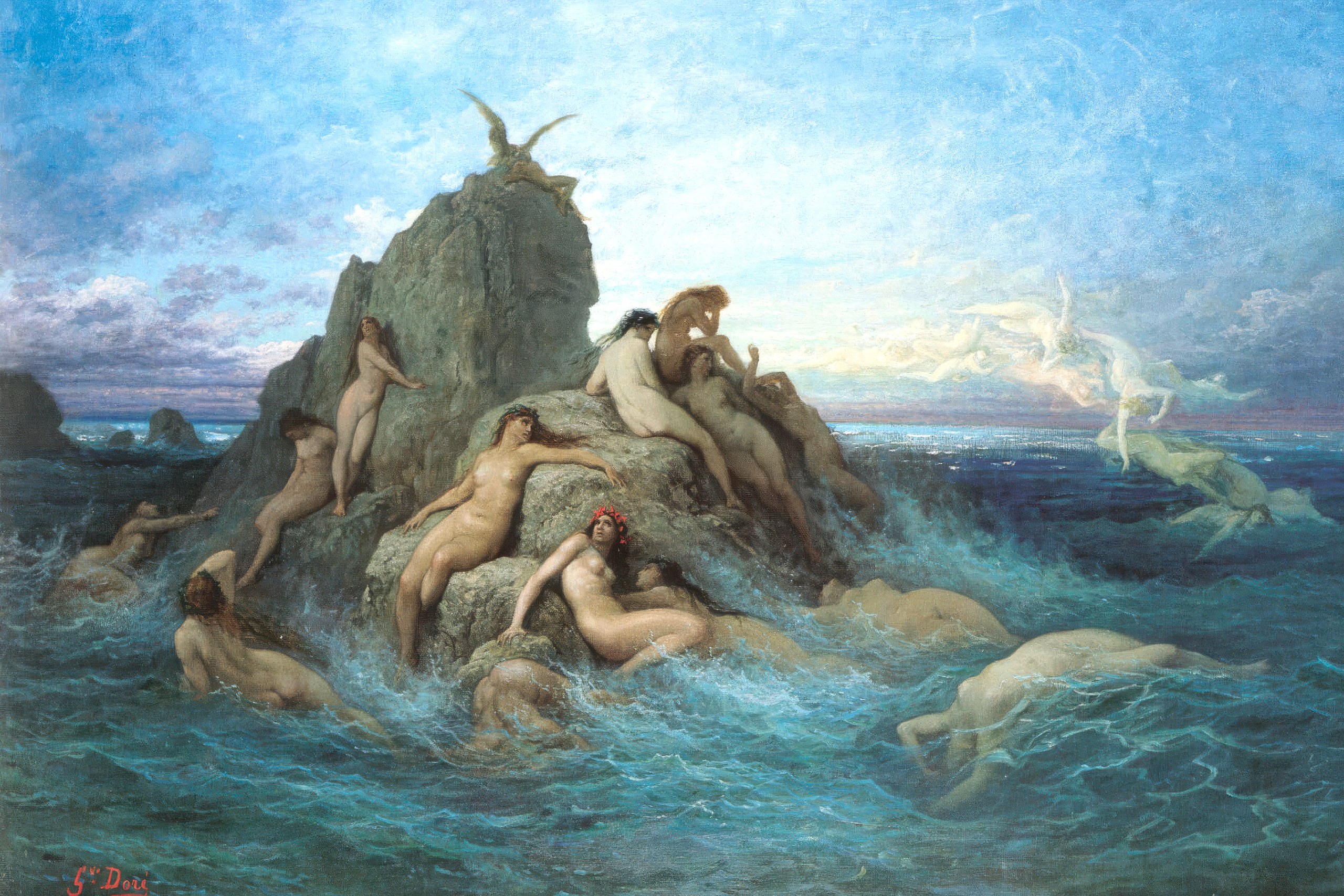
The Nereids were spirits of the sea. There were fifty of them in Greek tradition, all daughters of the sea god Nereus. They were considered friendly to sailors and were worshipped in ports and coastal towns across the Mediterranean. Cyprus, as an island surrounded by sea, had a natural connection to them. The Nereids were seen as protectors, calm and generous, and ancient sailors kept small shrines in their honor at harbors to ask for safe passage.
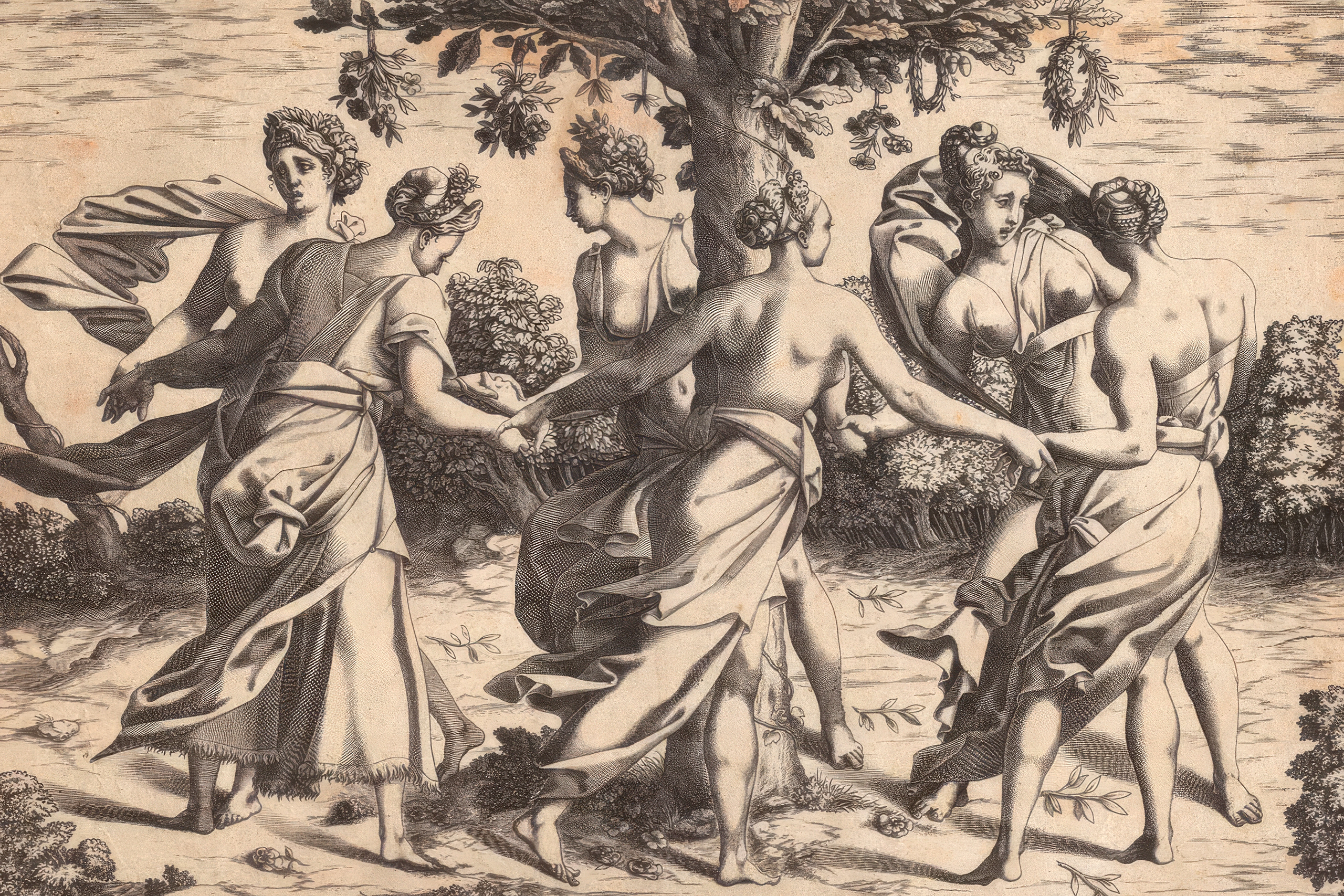
The Dryads and Hamadryads were spirits of trees and forests. Dryads lived in groves and woodlands in general. Hamadryads were different. Each one was tied to a single tree, and if that tree was cut down or died, the Hamadryad died with it. This belief had a practical effect on how people treated forests. Cutting down a tree in a sacred grove was considered a serious act, one that could bring punishment from the gods. The story of King Erysichthon, who cut down a tree sacred to Demeter and was cursed with endless hunger, was well known across the Greek world and served as a warning.
Facts Worth Remembering
Several details about nymph worship on Cyprus stand out. One of the most important pieces of evidence comes from a cave on the hill of Kafizin, just a few kilometers southeast of Nicosia. Excavations there in the 1930s and 1940s uncovered over 300 inscribed pottery fragments, all dedicated to a Nymph. The inscriptions date to between 225 and 218 BC and are written in both Greek alphabetic script and the older Cypriot syllabic script. This is significant because it proves that the ancient Cypriot writing system was still in use in the late 3rd century BC, far later than many scholars had assumed. One of the dedicants, a man named Onasagoras, appears on most of the inscriptions, and was likely part of a small group that made regular offerings at the cave.
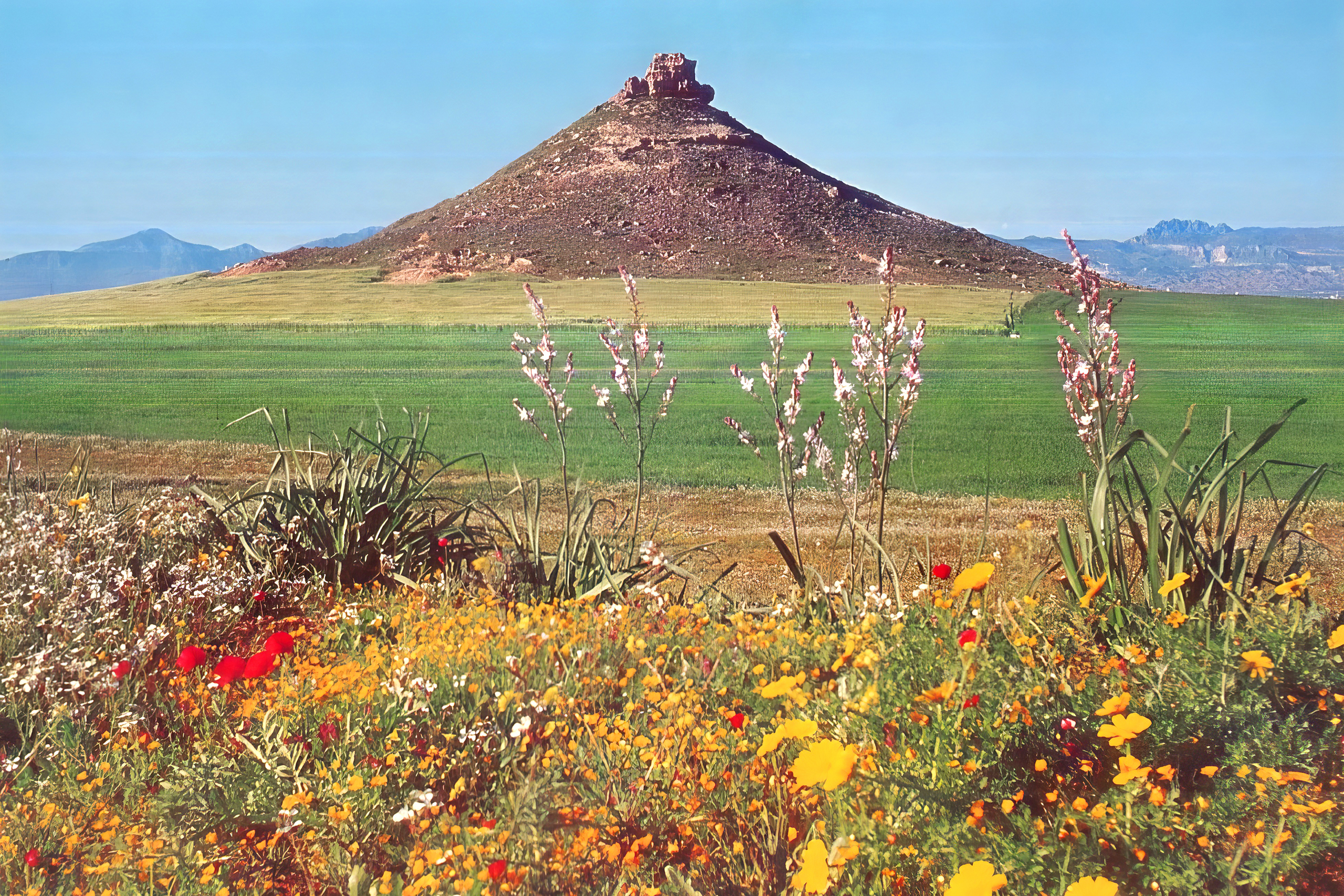
Nymph worship on Cyprus was not confined to one spot. Evidence from inscriptions and archaeological finds points to nymph cults at several locations, including Chytroi, Troulloi, and Tamassos. Festivals in honor of nymphs were part of the local calendar, tied to the changing seasons, and involved music, dance, and offerings of food and drink.
Nymphs and the Gods They Served
Nymphs on Cyprus were not independent figures. They were closely linked to the major gods. Artemis, the goddess of the hunt, was considered their guardian in many traditions. Apollo was another god frequently associated with nymph-related myths. But on Cyprus, the strongest connection was with Aphrodite. The island was her birthplace according to legend, and the landscape around Paphos, where she was said to have risen from the sea, was full of sacred groves and springs.
The Baths of Aphrodite, a natural grotto on the edge of the Akamas Peninsula near Polis Chrysochous, is one such site. Local tradition says that Aphrodite bathed here after meeting Adonis. The grotto is fed by a natural spring shaded by an old fig tree, a type of tree that was itself associated with mother goddess worship across the ancient Near East.
Dionysus, god of wine and festivity, also had nymphs in his company. His followers, the Maenads, were a specific type of nymph known for wild, passionate rituals. While the Maenads are more connected to mainland Greek tradition, the presence of Dionysus worship on Cyprus means their stories circulated on the island too.
From Ancient Spirits to Modern Memory
When Christianity spread across Cyprus in the 1st century AD, it did not erase the older beliefs overnight. It took centuries. Many of the sacred springs that were once dedicated to nymphs were gradually claimed by the Orthodox Church and rededicated to the Virgin Mary, who was given the title Zodochos Pege, meaning “life-giving spring.” The ritual of blessing water, which is still practiced in Cyprus today, particularly on Epiphany on January 6th, carries echoes of the older traditions around sacred water sources.
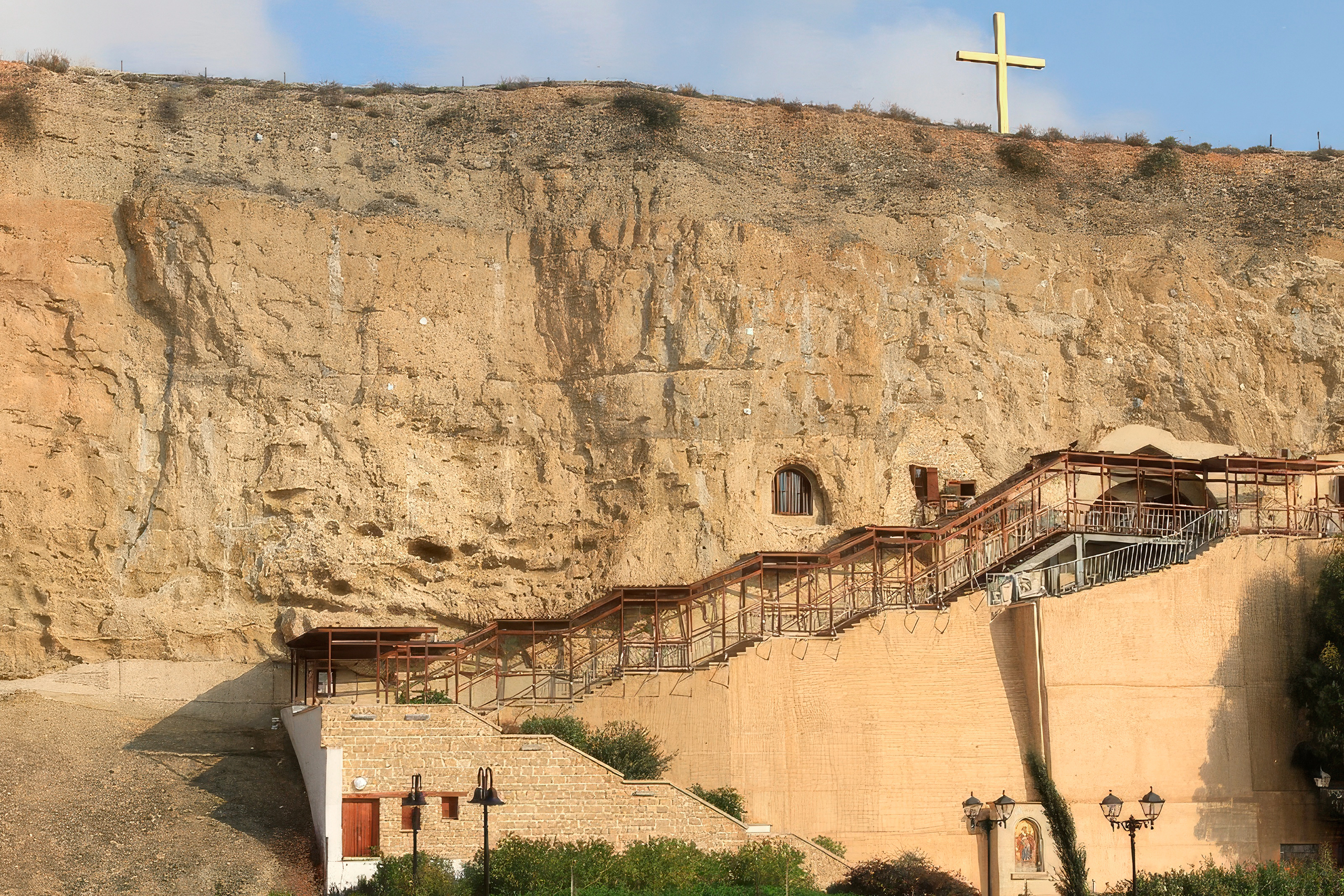
The cave church of Panagia Chrysospiliotissa near Nicosia is one example of a site where ancient reverence for a natural space continued under a new name.
In modern Greek, the word “neráidi” which descends directly from “Nereid,” is used to mean fairy or water spirit. This shows how deeply the idea of nature spirits stayed in the language and in the way people think about the world around them, even after the gods they once honored were forgotten.
Where to See the Legacy
The Cyprus Museum in Nicosia holds artifacts connected to nymph worship, including pottery from Kafizin. The Baths of Aphrodite on the Akamas Peninsula are free to visit and sit at the start of a nature trail that follows the Route of Aphrodite.
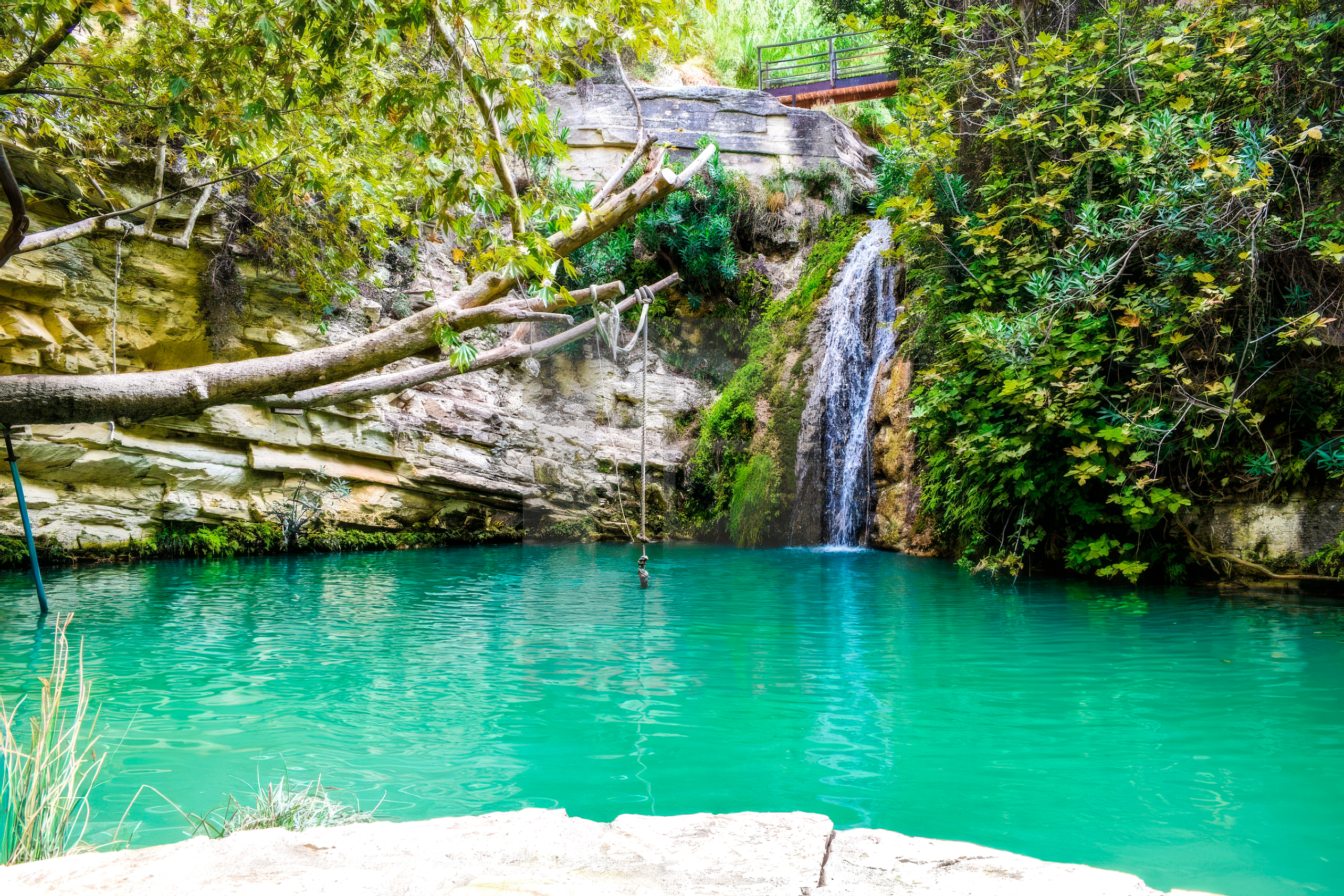
The site is quiet and easy to reach from Polis Chrysochous. For those interested in the cave sanctuary at Kafizin, the hill is located just outside Nicosia, though the site itself is not formally open to tourists. The artifacts from it, however, are well documented and accessible through the museum.
Why This Still Matters
Nymphs were not just characters in old stories. They were a way for the people of Cyprus to understand and relate to the natural world around them. Every spring, every grove, every stretch of coastline had meaning.
The belief that nature was inhabited by spirits who could reward or punish you shaped how people farmed, how they built, and how they treated the land. Those beliefs lasted for over a thousand years on this island. Today, the traces remain, in place names, in church dedications, in old words, and in the landscape itself.