 English
 Greek
Greek German
 Russian
Music in Cyprus has never existed in isolation. It has always moved with people, landscapes, rituals, and political change. From shepherds playing flutes in mountain pastures to electrified bands performing in divided city streets, Cypriot music reflects the island’s role as a cultural meeting point in the Eastern Mediterranean. Today, that long tradition is not fading. It is transforming. Contemporary Cypriot musicians are reshaping ancient sounds into new forms, proving that heritage survives not by standing still, but by adapting.
- An Island Shaped by Crossing Sounds
- Voices Without Sheet Music
- Instruments Made from Landscape
- Music as Social Glue
- From Colony to Global Stage
- Reinventing Tradition Without Losing It
- Monsieur Doumani and Post-Folk Experimentation
- Buzz’ Ayaz and the Sound of a Divided City
- Vocal Fusion and Sonic Mapping
- Why Fusion Works Here
- Music as Cultural Survival
- Hearing Cyprus Today
- Why This Evolution Matters
An Island Shaped by Crossing Sounds
Cyprus sits at the intersection of Greek, Byzantine, Ottoman, and Western European worlds, and its music carries traces of each. Rather than following Western major and minor scales, traditional Cypriot music is built on modal systems influenced by Byzantine echoes and Ottoman makam. These modes allow for subtle microtonal shifts that give the music its emotional depth and distinctive colour.
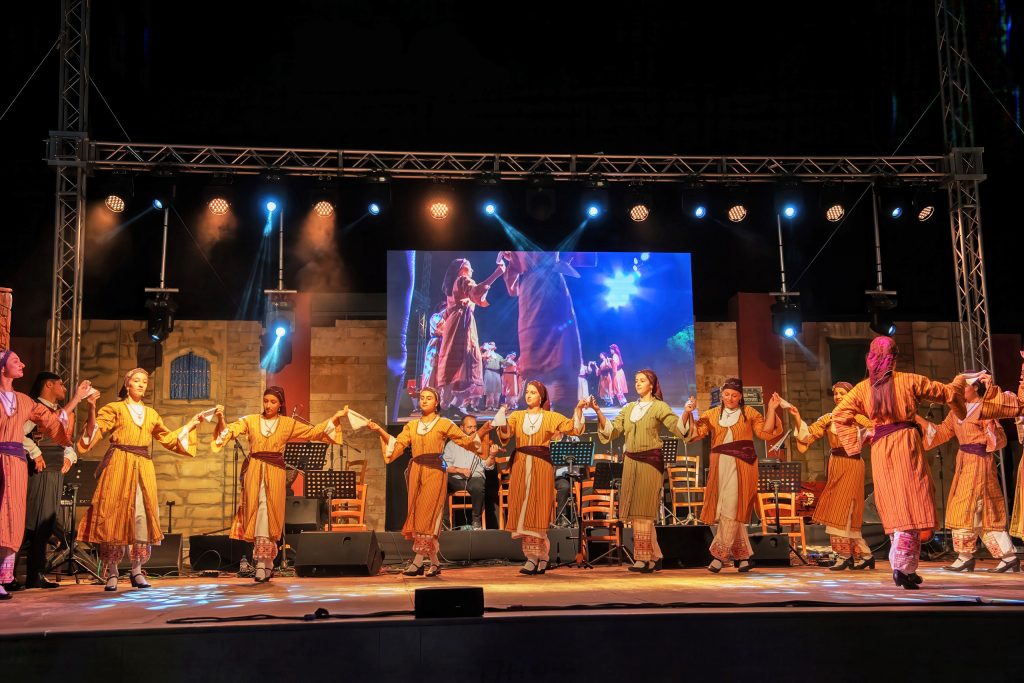
For centuries, these sounds were not concert material. They were woven into daily life: agricultural cycles, religious festivals, weddings, and communal gatherings. Music functioned as memory, communication, and identity, not entertainment alone.
Voices Without Sheet Music
At the heart of Cypriot folk tradition lies the concept of fones, literally meaning “voices.” These are not fixed songs, but melodic frameworks passed orally from generation to generation. Singers adapt poetic verses to these melodic shapes, allowing the same foni to carry love stories, social commentary, humour, or historical memory.
Many fones are named after the regions where they developed, such as Tillirkotissa or Paralimnitiki. Others form the foundation of tsiattista, improvised singing duels where participants respond to one another with sharp wit and rhyme. What remains constant is the melody. What changes is the message. This flexibility is one reason Cypriot music has endured for so long.
Instruments Made from Landscape
Traditional Cypriot instruments are inseparable from their environment. They were shaped by what was available, not what was imported.

The Breath of the Pithkiavli
The pithkiavli, a simple reed flute, is considered one of the island’s oldest instruments. Traditionally played by shepherds, it served practical purposes as much as musical ones. Specific melodies guided animals, marked routines, or filled long hours spent alone in the fields. Over time, the instrument gained symbolic meaning, becoming associated with protection, fertility, and spiritual offerings.
Strings That Carry the Rhythm
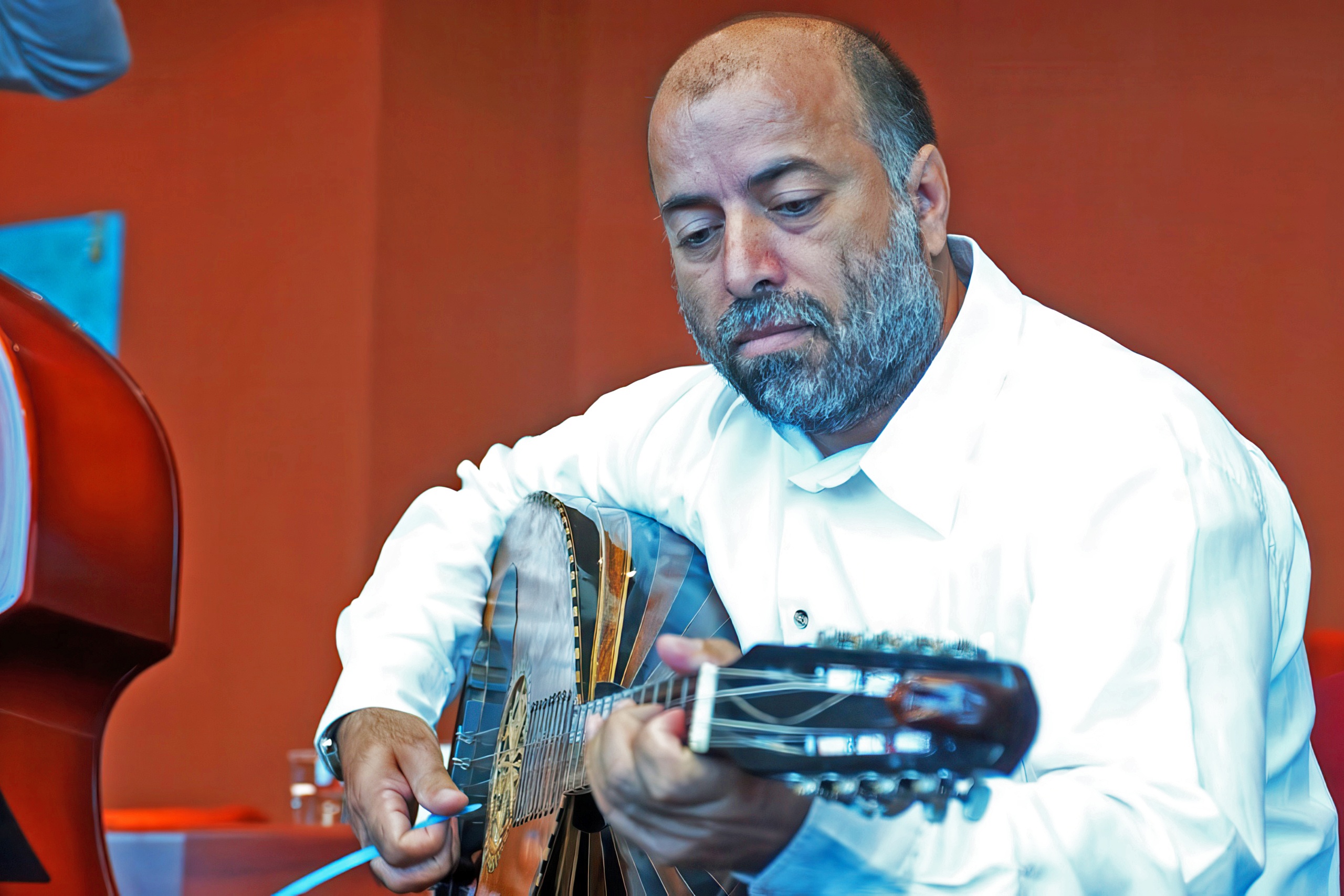
The laouto anchors most traditional ensembles. With its bright steel strings and rhythmic strumming, it provides structure rather than melody. The violin, introduced later, eventually replaced older bowed instruments and became the lead voice, ornamenting fones with expressive flourishes that define Cypriot folk sound today.
Percussion from Everyday Objects
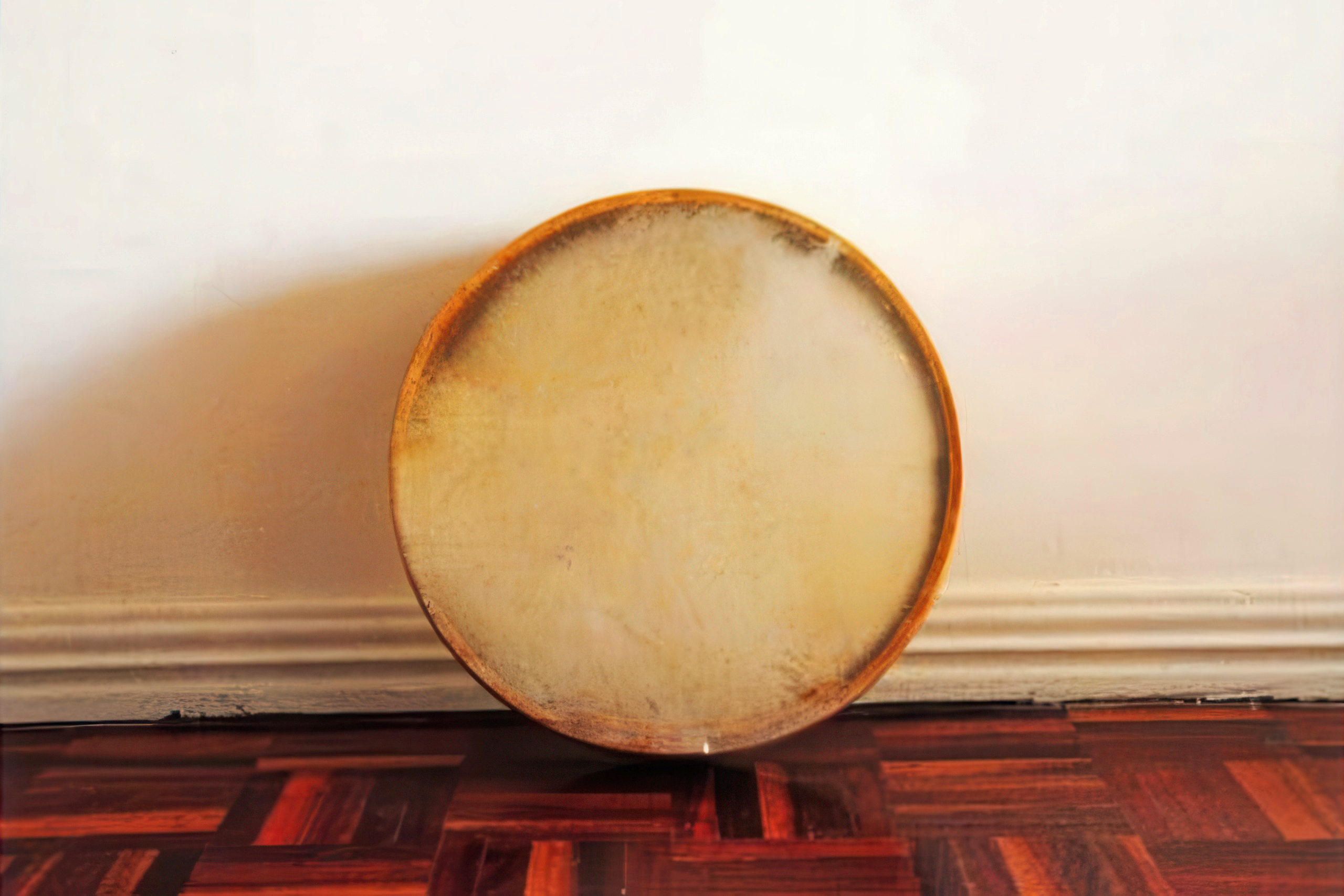
Percussion instruments like the tampoutsia were often made from flour sieves and animal skins, reflecting a culture where music emerged from daily tools. Rhythm was communal and physical, grounding dancers and singers in shared movement.
Music as Social Glue
In Cyprus, music has always marked life’s turning points. Weddings remain the most powerful setting for traditional performance, where the Cypriot suite of dances connects families to ancestry and place. Seasonal festivals, harvest celebrations, and religious events reinforce the link between sound and collective memory.
Even today, these settings matter. They remind younger generations that folk music is not a museum artefact, but something lived, embodied, and shared.
From Colony to Global Stage
The transition into modern Cypriot music did not happen smoothly or all at once. It unfolded through layers of political change, social upheaval, and cultural negotiation. British colonial rule introduced Western notation, formal music education, and instruments such as the piano, reshaping how music was taught and valued. While these changes expanded technical possibilities, they also created tension between written systems and oral traditions that had survived for centuries without them.
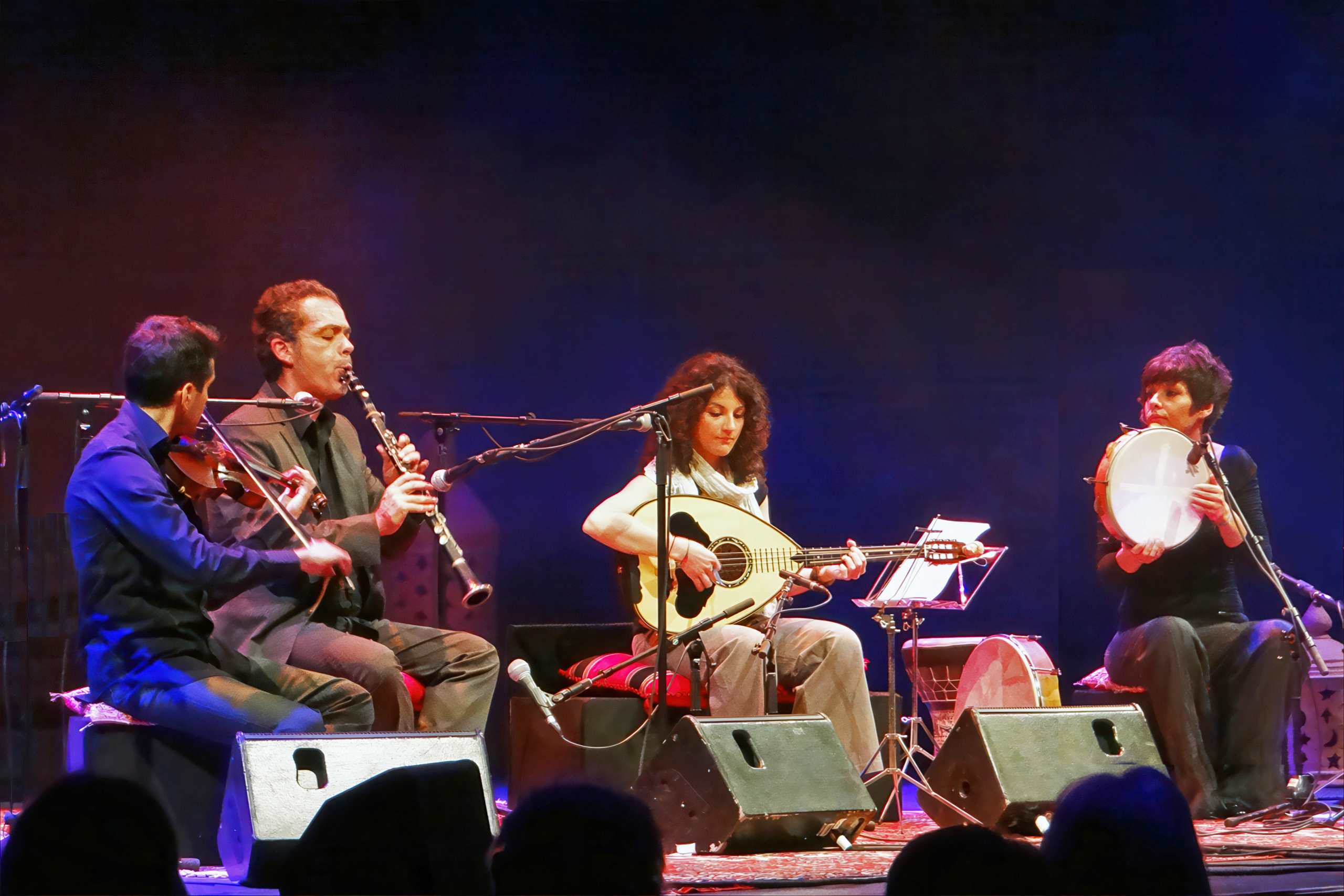
After the Turkish invasion of 1974, that tension deepened. Displacement, division, and urbanisation disrupted village-based musical life, pushing traditional forms toward ceremonial spaces rather than everyday use. At the same time, younger generations growing up in divided cities encountered global genres through radio, records, and later digital platforms. Rock, metal, jazz, and pop did not replace folk traditions, but they began to coexist with them, creating a fragmented yet fertile musical landscape.
Reinventing Tradition Without Losing It
In the 21st century, a new approach emerged. Rather than choosing between tradition and modernity, Cypriot musicians began working within both. This movement, often described as cosmopolitan localism, treats heritage as a living structure rather than a fixed archive. Traditional modes are not discarded, but stretched. Folk rhythms are not simplified, but recontextualised.
One of the most influential figures in this shift is Antonis Antoniou, whose work demonstrates how deeply local material can speak to global audiences without dilution.
Monsieur Doumani and Post-Folk Experimentation
Formed in Nicosia, Monsieur Doumani began by reworking traditional Cypriot songs using unconventional instrumentation and stripped-back arrangements. Over time, their sound grew more assertive, incorporating electric textures, layered effects, and lyrics that engage directly with social and political realities. Crucially, they perform in the Cypriot dialect, grounding experimentation in linguistic identity.
Their international recognition did not come from abandoning tradition, but from trusting it. By treating folk material as flexible rather than fragile, the band revealed how specificity, not neutrality, creates resonance beyond borders.
Buzz’ Ayaz and the Sound of a Divided City
Buzz’ Ayaz approaches fusion from a different angle. Bringing together musicians from both sides of divided Nicosia, the project blends folk modes with Anatolian psychedelia, funk, and experimental rock. Custom-modified instruments allow for microtonal expression within amplified, urban soundscapes, preserving the emotional contours of traditional modes while expanding their sonic range.
The result feels unsettled by design. This is music shaped by streets, checkpoints, and shared nights rather than inherited ceremonies. It does not attempt to resolve division, but it makes coexistence audible.
Vocal Fusion and Sonic Mapping
Other projects push experimentation further. The Amalgamation Project explores polyphony, jazz harmony, and Mediterranean vocal traditions, weaving individual voices into dense, shifting textures. Groups such as Nābu Pēra treat the city itself as an instrument, transforming ambient noise, spoken word, and electronic processing into sonic maps of Nicosia. These approaches expand the idea of Cypriot music beyond melody alone, turning sound into geography.
Why Fusion Works Here
Cypriot fusion succeeds because it respects structure. Traditional modes are adapted rather than flattened. Rhythms rooted in folk dance retain their asymmetry even when processed electronically. Instruments are modified instead of replaced. Innovation happens inside tradition, not over it.
This balance prevents folk music from becoming frozen while ensuring it remains recognisable. The past is not erased. It is revoiced.
Music as Cultural Survival
By the late 20th century, traditional Cypriot music risked becoming ceremonial, confined to festivals and formal performances. Fusion reversed that trajectory. By placing heritage within contemporary genres, musicians restored its relevance to everyday listening.
On an island marked by division, this carries particular weight. Music becomes a shared language where political dialogue often fails. Bi-communal collaborations do not erase difference, but they allow difference to coexist in sound.
Hearing Cyprus Today
Cyprus’s modern music scene now reaches far beyond the island. Artists perform at international festivals, release records globally, and attract listeners who may never have visited the Mediterranean. Yet the music remains anchored in place, carrying echoes of mountains, villages, and urban streets.
Whether heard at a village celebration, an underground venue, or a global stage, contemporary Cypriot music tells a consistent story. Identity is not preserved by silence, but by sound.
Why This Evolution Matters
The sonic evolution of Cyprus shows how culture survives pressure. By allowing tradition to change shape, musicians ensure that ancient voices continue to speak in modern forms. The result is not a rupture with the past, but an ongoing conversation between memory and invention.
In Cyprus, history is not only remembered. It is played, sung, distorted, amplified, and shared. And as long as those sounds continue to evolve, the island’s cultural heartbeat remains unmistakably alive.