 English
 Greek
Greek German
 Russian
The Leventis Municipal Museum tells the story of Europe’s last divided capital through over 10,000 objects collected across five thousand years. Within two years of opening in 1989, it won the European Museum of the Year Award for bringing modern museum standards to Cyprus.

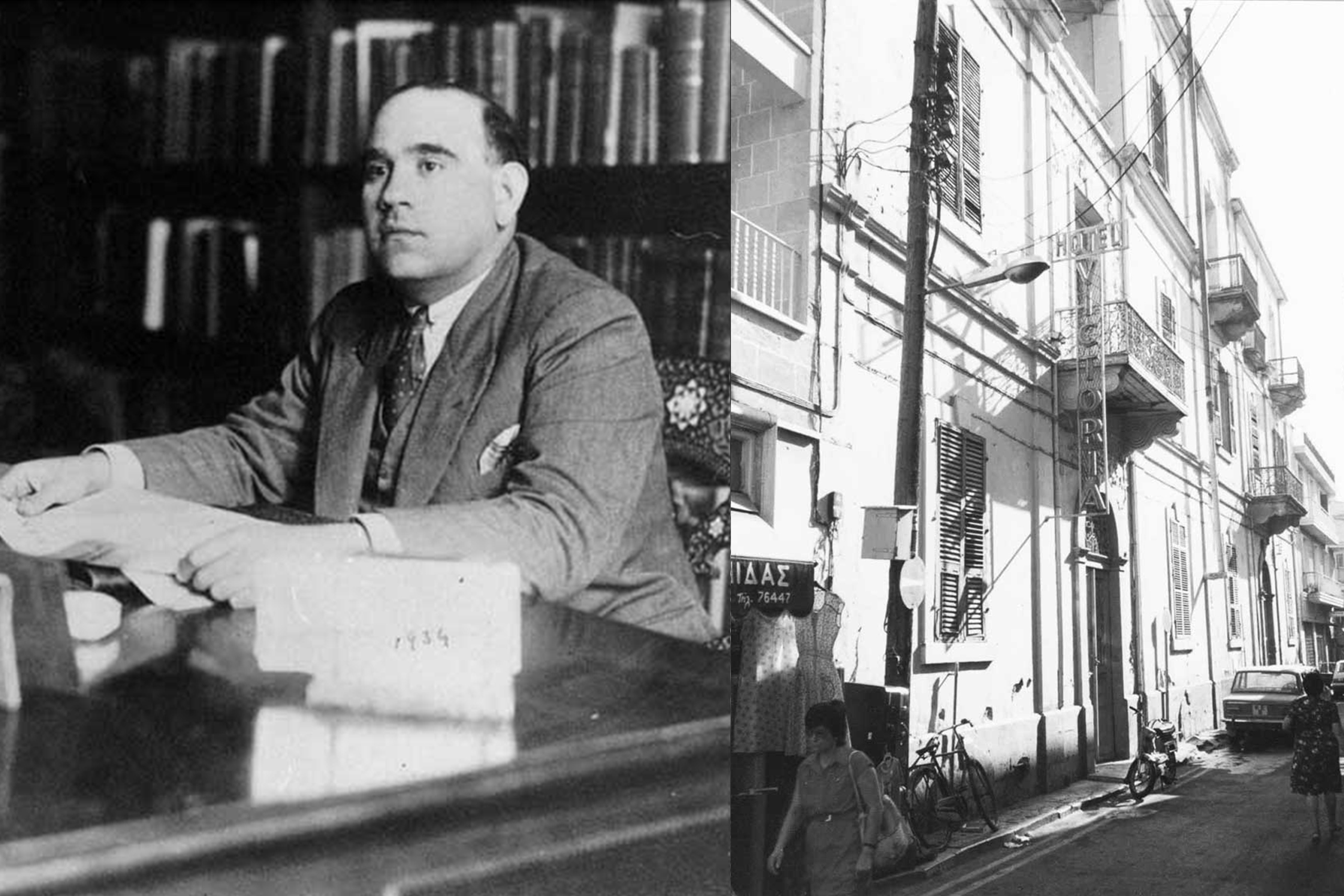
The museum occupies a complex of three historic buildings on Ippokratous Street in the Laiki Geitonia neighborhood within the Venetian walls of Nicosia. The main building at number 17 once served as the clinic of Dr. Themistocles Dervis, who was mayor of Nicosia for 27 years between 1929 and 1959.
The building at number 15 operated as the Victoria Hotel. The third structure at 18 Solonos Street is a small traditional house from the late 18th century, where Nikolaos Tsikkinis, one of the city’s best-known teachers, was born and lived.
Historical Background
In the early 1980s, the Dervis family mansion stood in ruins and faced demolition. Lellos Demetriades, who served as mayor of Nicosia from 1971 to 2001, saw an opportunity. He wanted to create a civic history museum as part of his broader effort to revitalize the old city within the walls. Although demolition work had already begun, the Municipality of Nicosia managed to purchase the building.
Demetriades approached the A.G. Leventis Foundation with his vision. Constantine Leventis, the first chairman of the foundation, embraced the idea and funded the purchase and restoration of the neoclassical building. The Municipal Council unanimously decided to name it the Leventis Municipal Museum of Nicosia in honor of its donor.
The foundation bought and renovated the building starting in 1984. In 1985, the Association of the Friends of the Museum was established to assist in acquiring collections. After four years of work, the Municipality of Nicosia and the A.G. Leventis Foundation opened the museum to the public on April 20, 1989. Cyprus finally had its first historical museum.
Recognition Came Quickly
Just two years after opening, the museum received the European Museum of the Year Award for 1991. The Committee of the European Museum of the Year Award, operating under the auspices of the Council of Europe, gave the prize in recognition of exceptional achievement.
The judges praised the museum in their unanimous decision, stating that for the first time Cyprus had acquired a modern museum that records the history of a town in an objective and balanced way. They singled out the curator for creating a museum that provided Cyprus with a real opportunity to break out of what they called the straitjacket of archaeology that had held back museum progress on the island.
The award helped establish the Leventis Museum as one of the leading history museums in Europe. In June 2022, following an examination by the Committee for the Recognition of Private Museums, the museum became one of the few Cypriot museums officially recognized under the law as meeting all required conditions.
The Collections That Tell the Story
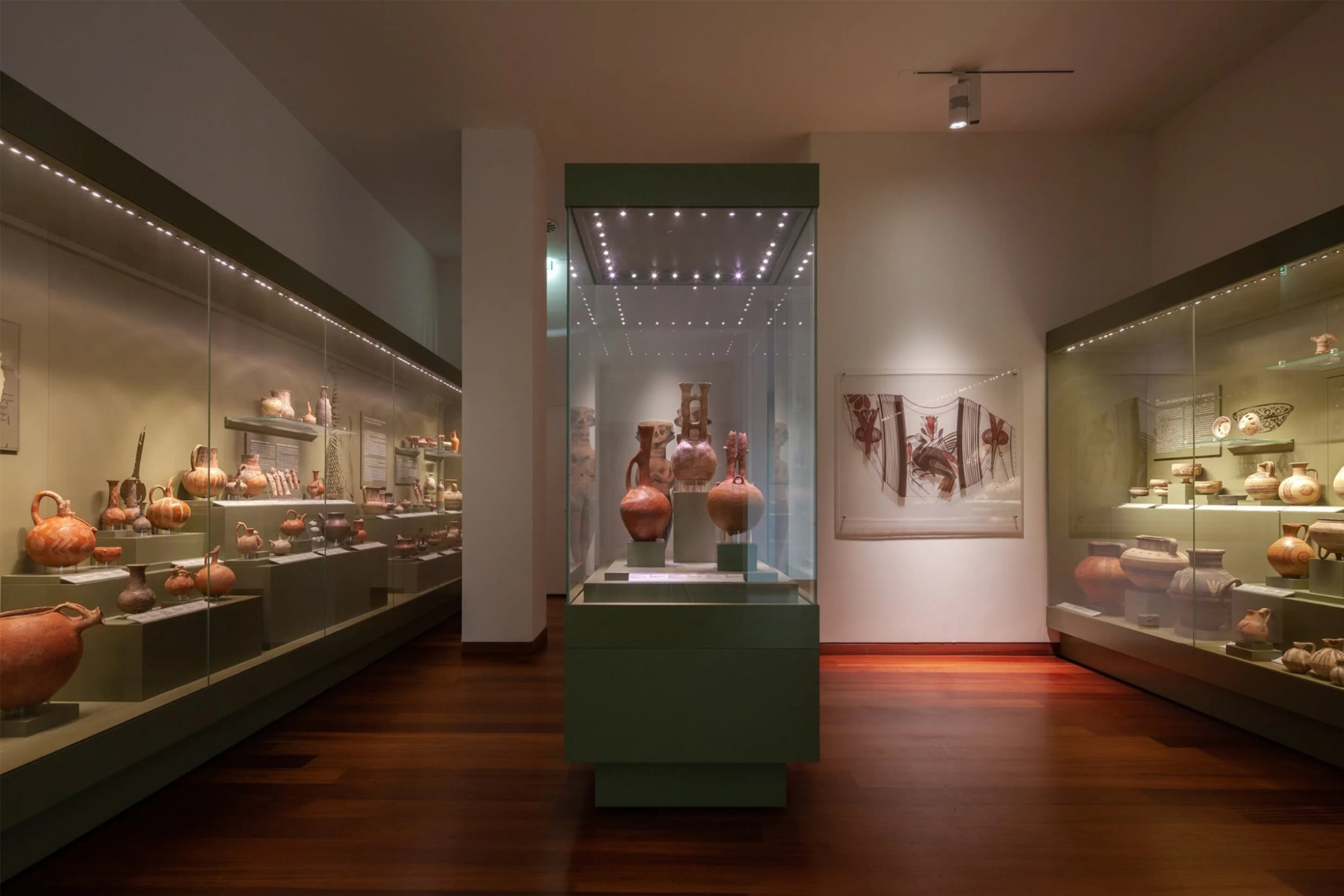
The museum now houses more than 10,000 objects that represent over 5,000 years of Nicosia’s history. The collections were established after 1984, mostly gathered from donations, private collections, and funding from the A.G. Leventis Foundation.
The permanent exhibition occupies three floors arranged in chronological order.
The Nicosia Gallery displays objects from the birth of the region and the ancient city, covering 3900 BC to 325 AD. Archaeological artifacts show how the fertile Mesaoria plain between the Troodos and Pentadactylos mountain ranges gave rise to settlement and civilization.
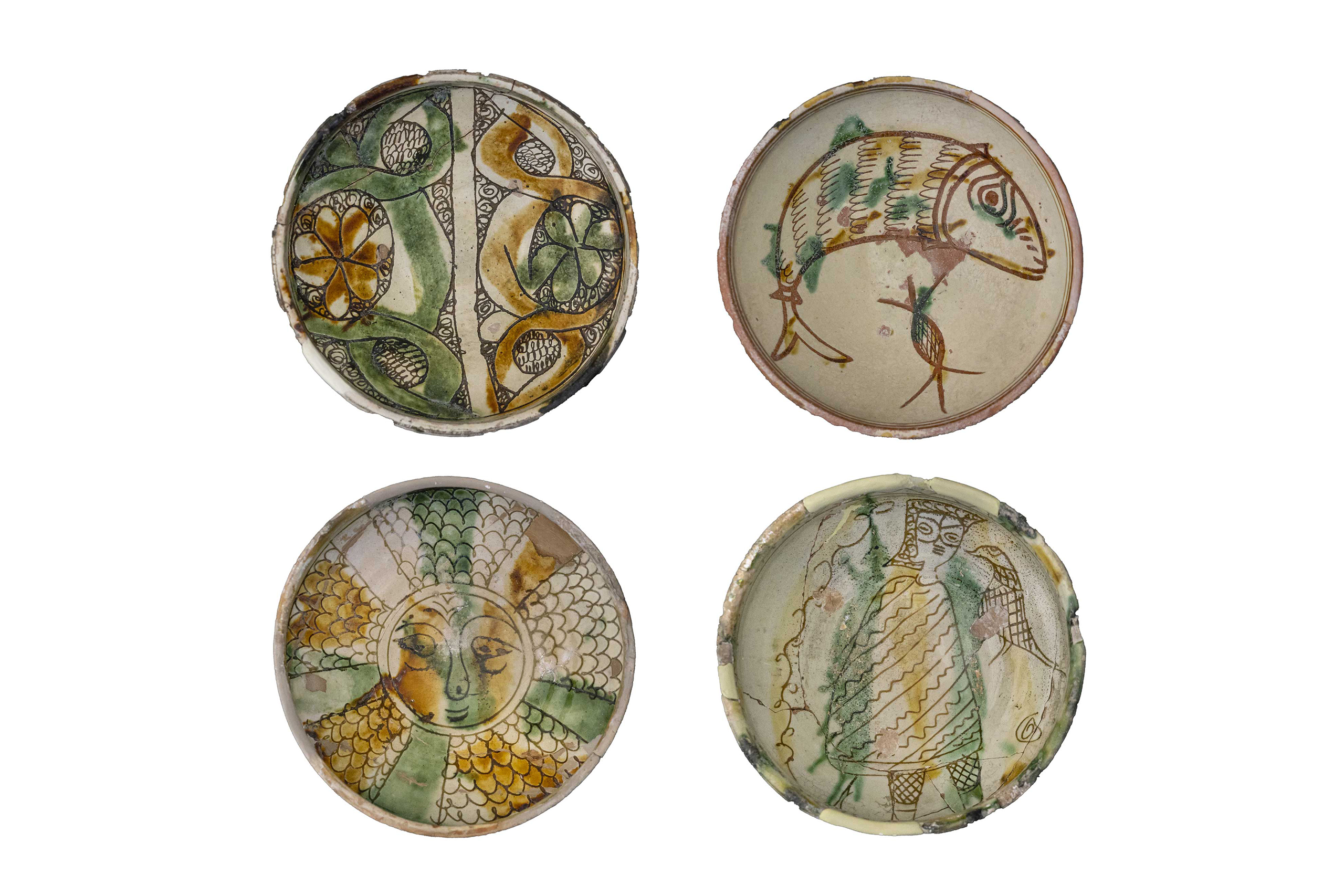
The Byzantine and Medieval Galleries cover 325 to 1489 AD. These rooms hold a unique collection of glazed vessels from the 13th to 16th centuries, along with other objects from when Nicosia served as capital of the Medieval Kingdom of Cyprus. The sgrafito pottery, with its distinctive glazed and engraved decoration, represents some of the finest examples from this period.
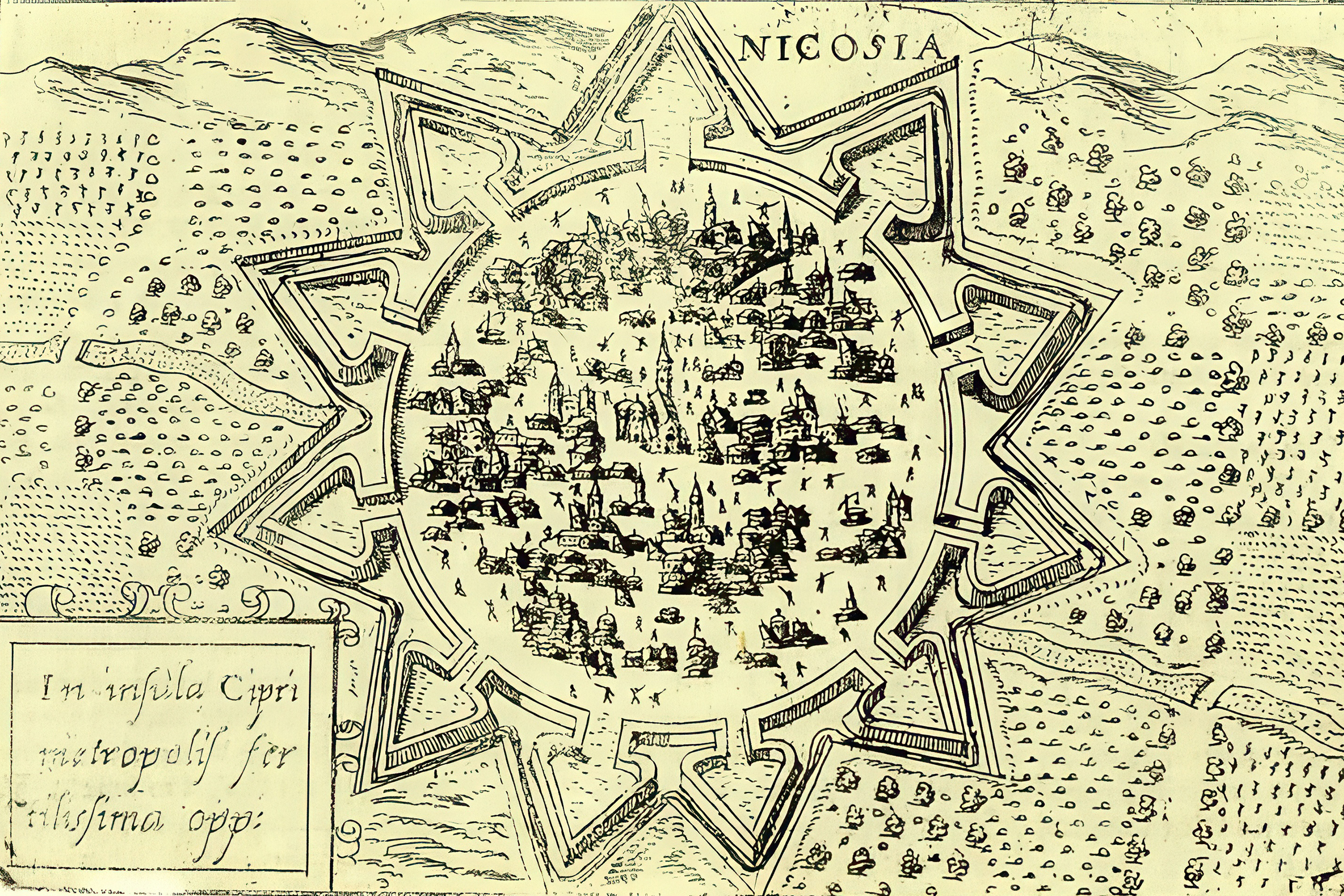
The Venetian Period Galleries showcase 1489 to 1570 AD. This section contains the single most important collection of medieval and modern maps of Nicosia. The maps show how the Venetians transformed the city, building the massive circular walls that still define the old town today.
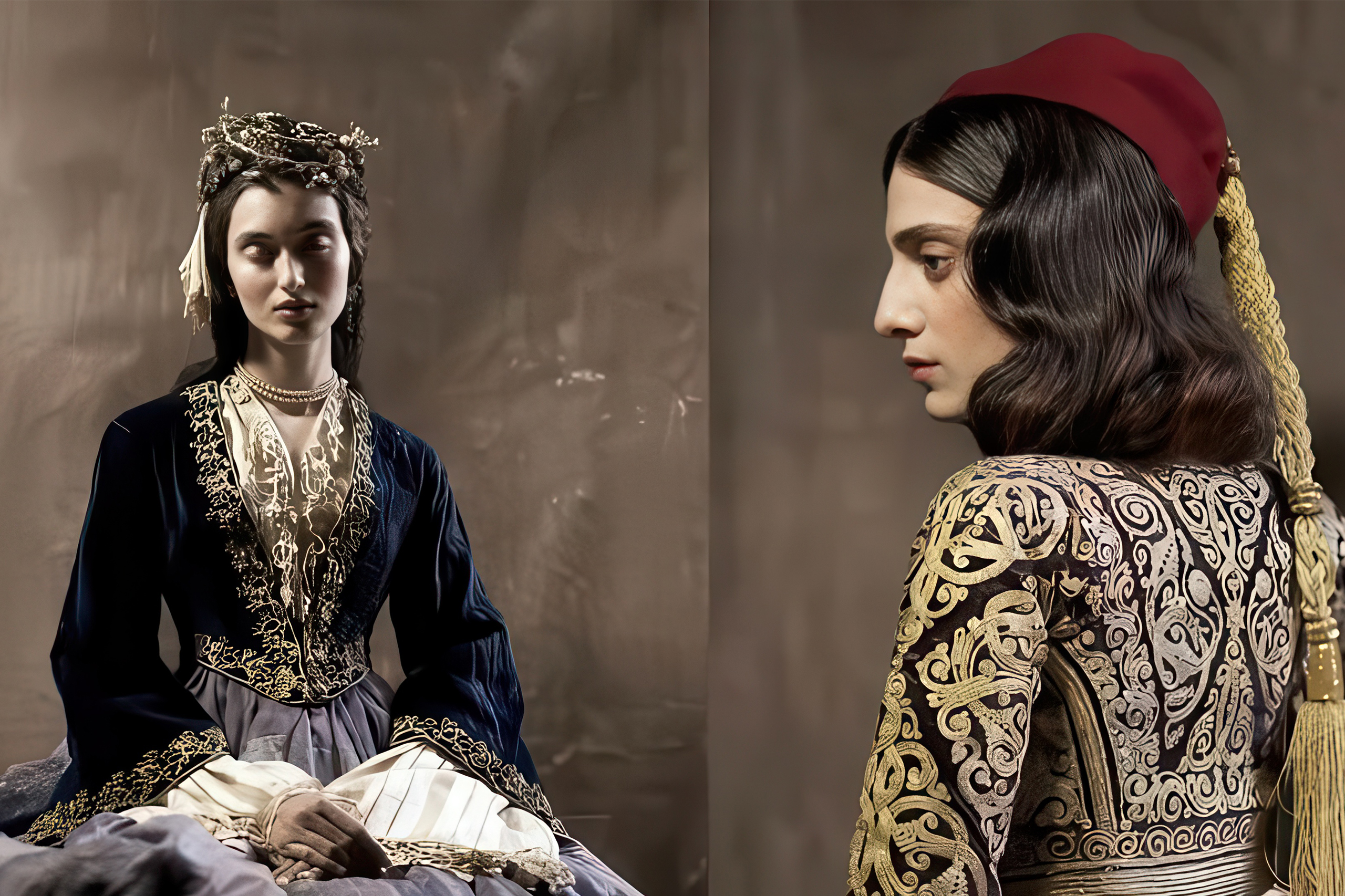
The Ottoman Period Galleries present 1570 to 1878 AD. These exhibits show the city as travelers saw it during Ottoman rule. Engravings, costumes, and everyday objects illustrate how Nicosia changed under three centuries of Ottoman administration.
The British Period Gallery covers 1878 to 1960 AD. This section documents the social development of the city during British colonial rule, with photographs, documents, and objects showing the modernization of Nicosia in the late 19th and early 20th centuries.
The most recent section addresses the period from 1960 to today, covering independence and the division of the city in 1974. This gallery presents the reality of Nicosia as Europe’s last divided capital.
Private Collections
The museum hosts two important private collections. The Leto and Costakis Severis Collection includes Cypriot and medieval antiquities. The Chris Phylactou Collection contains additional medieval pieces. These collections complement the museum’s own holdings and provide deeper coverage of specific periods.
The museum archives include extensive photographic material, primarily related to the city of Nicosia and its inhabitants. These photographs document daily life, architecture, and urban development across the 20th century. Researchers and visitors can access this visual record of the capital’s transformation.
Fascinating Facts of the Leventis Municipal Museum
The museum operates on a system of voluntary donations rather than fixed admission fees. This policy ensures everyone can access the capital’s history regardless of their financial situation. Visitors can contribute according to their means and appreciation.
Maps of the museum are available in five languages: Greek, English, Italian, French, and German. All exhibits include explanations in both Greek and English. This multilingual approach reflects Nicosia’s position as an international capital and makes the museum accessible to both Cypriots and foreign visitors.
The museum provides facilities for visitors with disabilities. Wheelchair access and adapted toilets ensure that everyone can explore the collections. This commitment to accessibility earned recognition during the 1991 European Museum of the Year evaluation.
The museum shop sells publications by the A.G. Leventis Foundation and Nicosia Municipality, memorabilia, and copies of objects and jewelry inspired by the museum collections. Profits from shop sales go toward enriching the museum’s collections.
Educational stations throughout the museum include computer games for children, an educational table about Nicosia’s history, and a virtual reality film about 19th century Nicosia. These interactive elements help visitors of all ages engage with the material.
The museum hosts a series of annual lectures initiated in 2002 in memory of Constantine Leventis. These lectures are available as published monographs. The museum also organizes temporary exhibitions, guided tours, talks, evening events, and educational activities throughout the year.
Current Exhibitions and Activities
The museum regularly hosts temporary exhibitions in addition to its permanent galleries. These exhibitions come from other museums and foundations in Cyprus and abroad. The temporary exhibition space also presents shows focused on the history and social development of Nicosia.
From January 2025 through June 2026, the museum presents “Sector 2: Nicosia,” an exhibition about the Green Line that has split the capital for over 60 years. The title refers to the geographical division of Nicosia within the areas of control established by the United Nations Peacekeeping Force.
The exhibition includes four sections. The first shows the era of coexistence among all communities and their social bonds. The second explores events from December 21 to 30, 1963, which led to the first official establishment of the Green Line. The third section uses an anthropocentric approach to highlight the distance and isolation experienced by the two communities. The final section focuses on positive initiatives and hope for future reunification.
Through historical documents, objects, works of art, oral testimonies, and artistic interventions, including installations and video art, the exhibition illuminates lesser-known aspects of this period. It invites visitors to understand the collective trauma experienced by people on both sides of the dividing line.
What Makes It Special
The Leventis Municipal Museum serves as the only museum in Nicosia that presents the complete social and historical development of the city from the Chalcolithic Age to today. While Cyprus has many archaeological museums focused on specific ancient sites or periods, this museum tells the continuous story of one place across millennia.

The museum achieves this through its focus on everyday life rather than just monumental artifacts. The collections include not only archaeological treasures but also costumes, photographs, furniture, and documents that show how ordinary people lived, dressed, worked, and organized their society through different periods.
The medieval pottery collection deserves special mention. The glazed sgrafito ware from the 13th to 16th centuries represents some of the finest examples of this ceramic tradition. These pieces show the artistic and technical sophistication of medieval Cypriot craftspeople.
The map collection provides unique insight into how Nicosia was perceived and represented across centuries. Maps reveal not just geography but also political power, military concerns, and cultural understanding of space. Seeing Nicosia through the eyes of Venetian engineers, Ottoman administrators, and British colonial officials shows how the city’s meaning changed for different rulers.
Visiting the Museum
The museum is located at 15-17 Ippokratous Street in Laiki Geitonia, the restored traditional neighborhood within the Venetian walls. From Eleftheria Square, walk into the old city and follow the signs to the museum. Parking is available at D’Avila Bastion on Stasinou Avenue, a short walk from the museum.

Opening hours are Tuesday through Sunday from 10:00 AM to 4:30 PM. The museum closes on Mondays. As admission operates on a voluntary donation basis, there is no fixed entrance fee. Most visitors spend between one and two hours viewing the permanent galleries.
The museum website at leventismuseum.org.cy provides current information about temporary exhibitions, events, and educational programs. The museum maintains active social media presence on Facebook and Instagram under the handle @leventismuseum, where it announces upcoming activities and shares highlights from the collections.
Why This Museum Matters
The Leventis Municipal Museum matters because it preserves and presents the complete story of one place across an extraordinary span of time. Few cities can document their history from prehistoric settlement to the present day. Fewer still have museums that tell that story in a way that ordinary visitors can understand and appreciate.
The museum proves that history museums can be both scholarly and accessible. The collections meet academic standards while the presentations remain clear and engaging. This balance earned the museum international recognition and made it a model for other civic history museums.
Meta Description: Leventis Municipal Museum of Nicosia traces 5,000 years of urban history, revealing social, political, and cultural life in Europe’s last divided capital.