 English
 Greek
Greek German
 Russian
The Famagusta Cultural Heritage Museum stands as a solemn witness to one of Cyprus’s most painful chapters. Built in 1998 on the edge of the United Nations buffer zone in Deryneia, this center offers visitors a rooftop view across barbed wire into Varosha, the abandoned resort district that has remained frozen in time since August 1974.
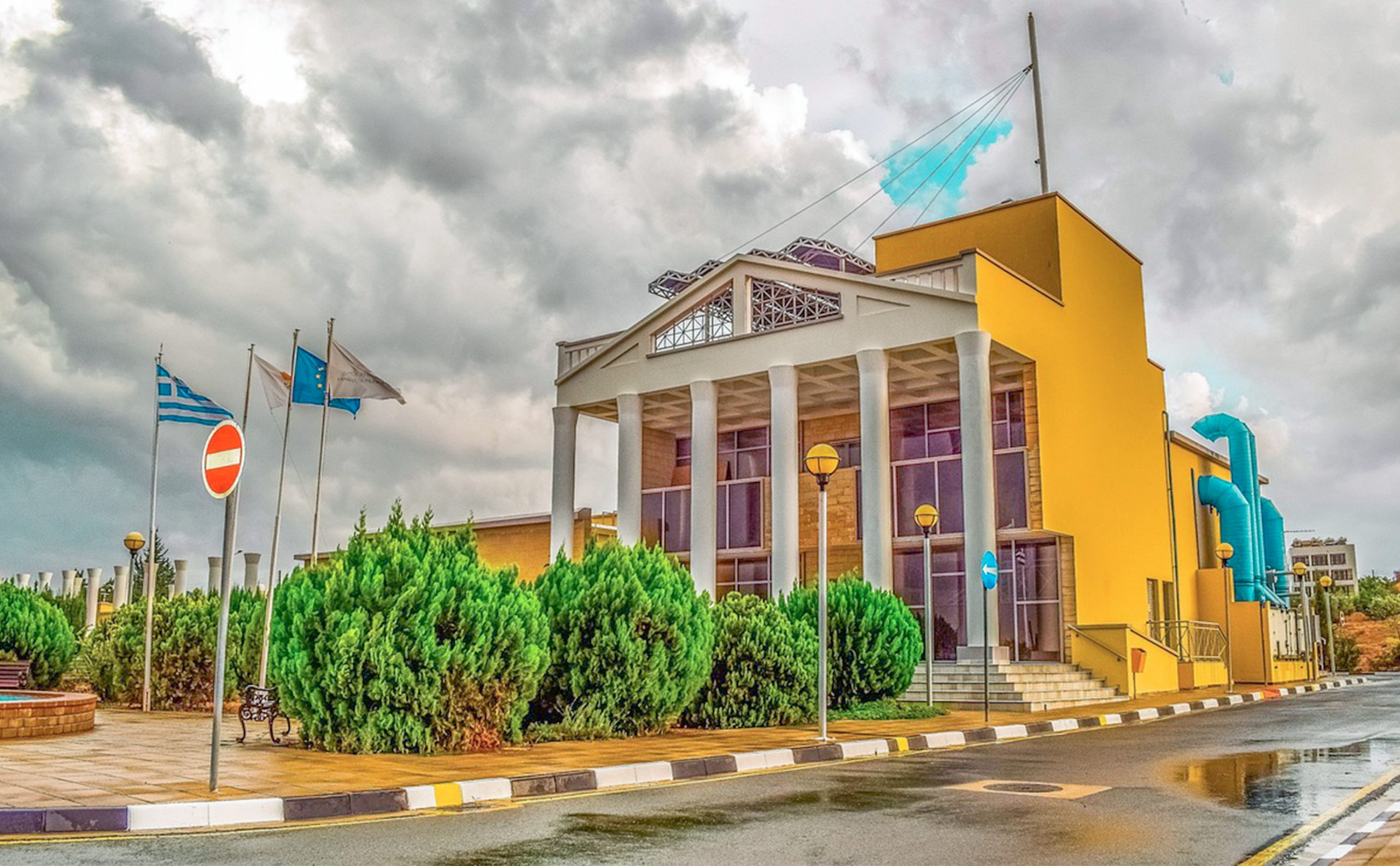
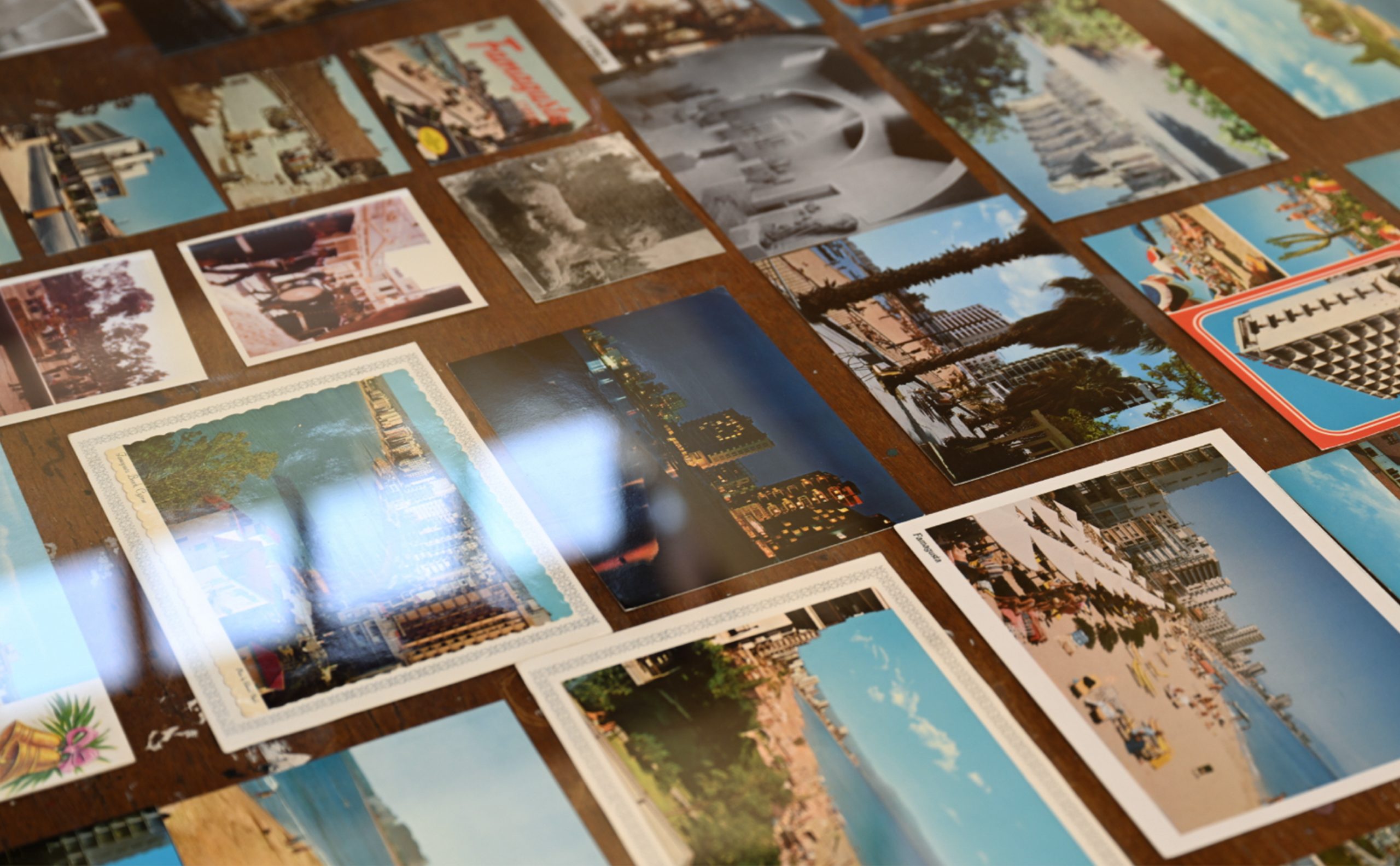
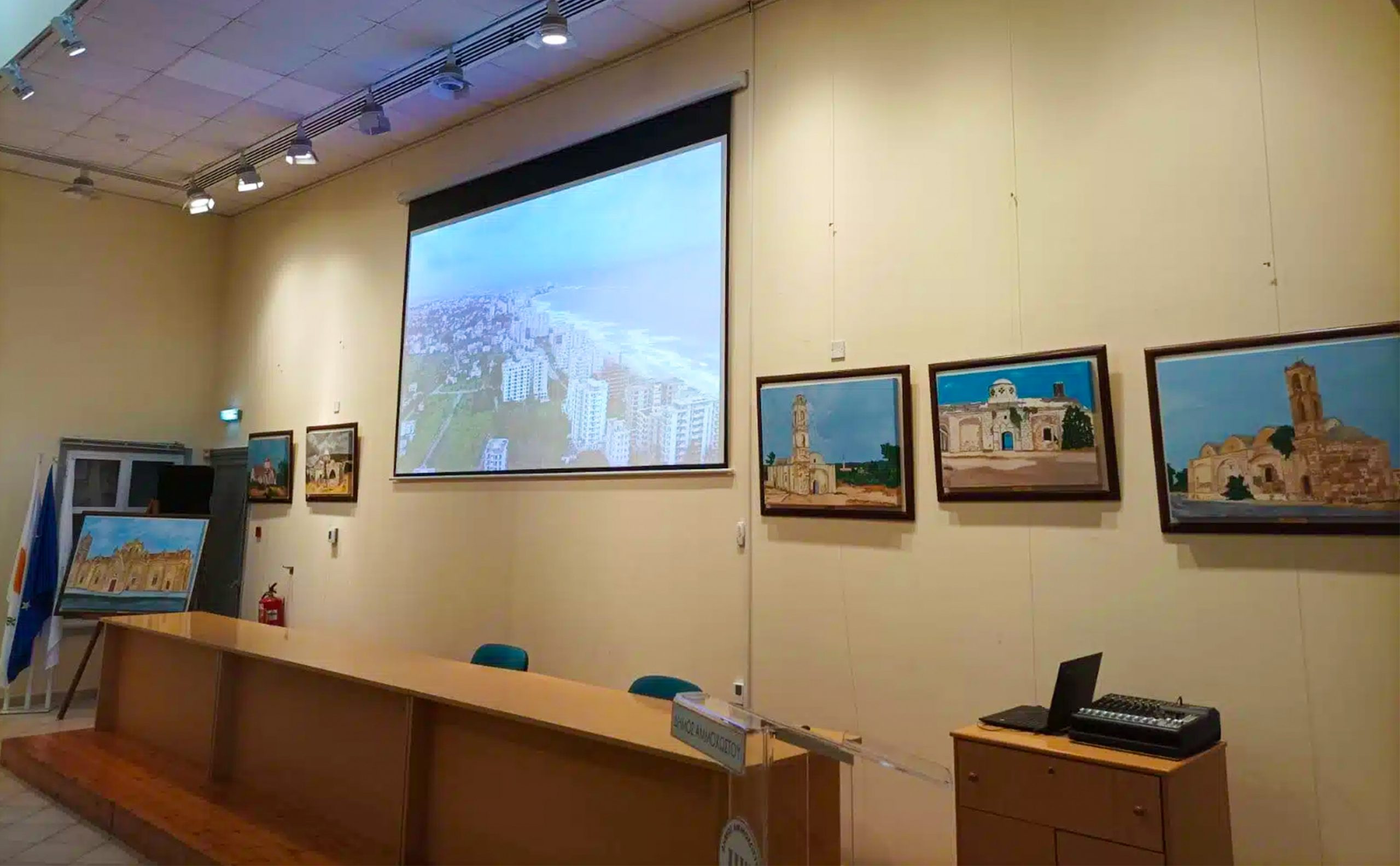
The Cultural Centre of Occupied Famagusta operates as both a museum and an observation point. The facility houses a multipurpose room where visitors watch audiovisual presentations about Famagusta before the 1974 Turkish invasion, when it served as the island’s premier tourist destination and cultural hub. The museum displays photographs, posters, and artifacts documenting daily life in Famagusta when the city was home to 40,000 residents.
Historical Background
Deryneia village sits 2 kilometers south of Famagusta, positioned directly on the dividing line that has split Cyprus since 1974. The village lost approximately 75% of its territory to the Turkish occupation, including the lower part of the settlement known as Kato Deryneia and most of its agricultural land. Before 1974, residents could walk to the sea in minutes. After the invasion, barbed wire and military posts blocked their access.
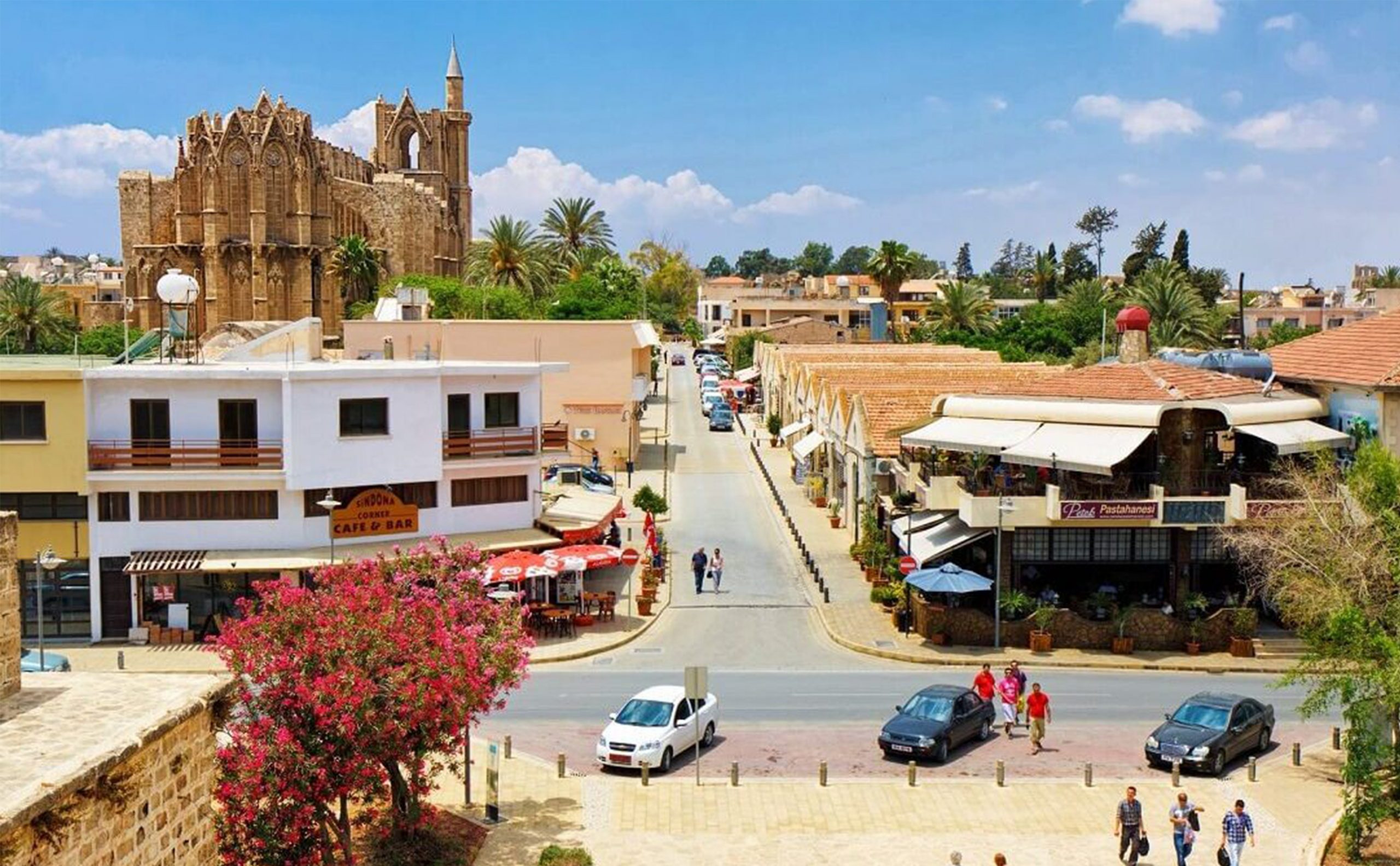
The village population includes about 1,000 refugees who fled from other areas during the invasion and settled in Deryneia. Another 3,000 former residents of Kato Deryneia scattered throughout Cyprus and abroad, becoming refugees in their own country. The 2011 census recorded 5,758 residents in the accessible part of Deryneia, but this number excludes those displaced from the occupied sections.
The invasion transformed Deryneia from an agricultural community into a border village. Residents who once worked in nearby Famagusta suddenly found themselves cut off from employment. Many turned to the tourism industry in Ayia Napa and Protaras, ironically working as employees in coastal resorts while their own land, just kilometers away behind the buffer zone, remained off limits.
The Story of Varosha
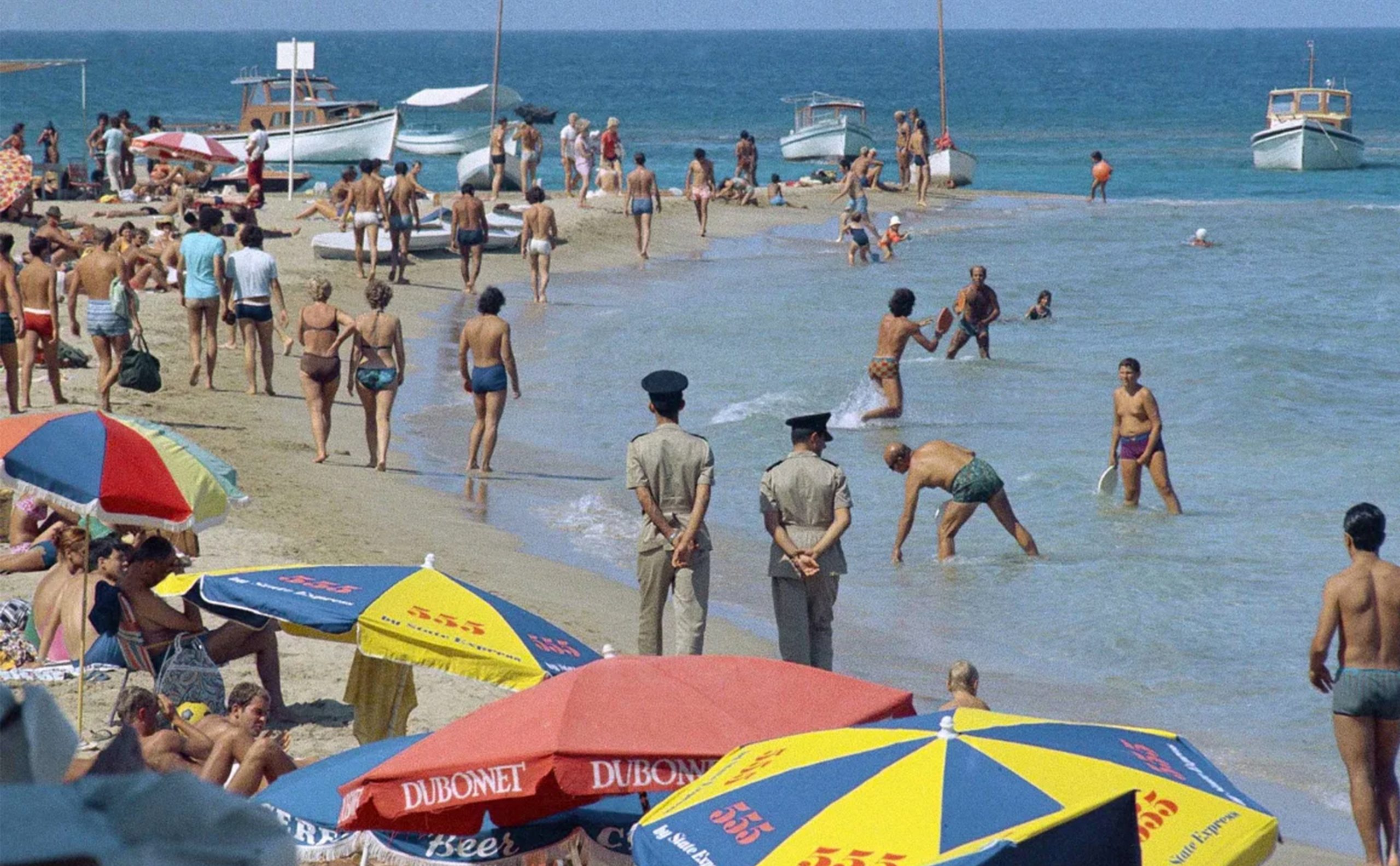
Varosha emerged as the Mediterranean’s glamorous resort destination during the 1960s and early 1970s. The district contained 45 of Cyprus’s approximately 100 hotels, attracting international celebrities including Elizabeth Taylor, Richard Burton, Sophia Loren, and Brigitte Bardot. Modern high rises lined the golden beaches, and luxury boutiques filled the streets. The Swedish pop group ABBA performed there in April 1970, before they officially formed as a band.
On August 14, 1974, Turkish forces advanced on Famagusta. Within hours, the entire Greek Cypriot population of approximately 39,000 fled south to Paralimni, Deryneia, and Larnaca. Most residents believed they would return within days or perhaps a week at most. They left homes with unpacked boxes, clothes in closets, and cars parked on streets. Some grabbed children and a few valuables before heading to wooded areas or nearby villages.
The Turkish military immediately sealed off Varosha with barbed wire fencing and established it as a restricted military zone. Buildings that survived the initial conflict began a slow decay. Roofs collapsed, vegetation broke through concrete, and the once pristine beaches remained empty except for military patrols. Swedish journalist Jan Olof Bengtsson visited Famagusta’s port shortly after the invasion and, viewing the sealed city, first described it as a ghost town.
International Legal Status
United Nations Security Council Resolution 550, passed in 1984, called for Varosha to be placed under UN administration and stated that only the original inhabitants could resettle the town. The resolution deemed any attempt to settle other people in Varosha as inadmissible. Despite these declarations, Turkey has maintained military control of the area for five decades.
The European Court of Human Rights heard cases from eight Greek Cypriots who were deprived of their properties in Varosha. In November 2010, the court awarded compensation ranging from 100,000 to 8,000,000 euros to the plaintiffs. The principal case involved businessman Constantinos Lordos and others who owned significant property in the district.
In 2020, Turkish authorities began partially reopening sections of Varosha, a move that drew immediate international criticism. The United Nations Securityity Council issued a presidential statement on July 23, 2021, reaffirming that settling any part of Varosha by people other than its original inhabitants remains inadmissible. The European Parliament passed a resolution on November 27, 2020, asking Turkey to reverse its decision and called for potential sanctions if the situation continued.
The Museum’s Educational Mission
The Cultural Centre operates Monday through Friday from 7:30 AM to 3:00 PM, with shorter hours on Wednesday ending at 11:00 AM. The facility closes on Sundays and public holidays. The observatory and cafeteria, accessed by an external staircase, remain open daily from 9:00 AM until evening except on Tuesdays. Admission is free.
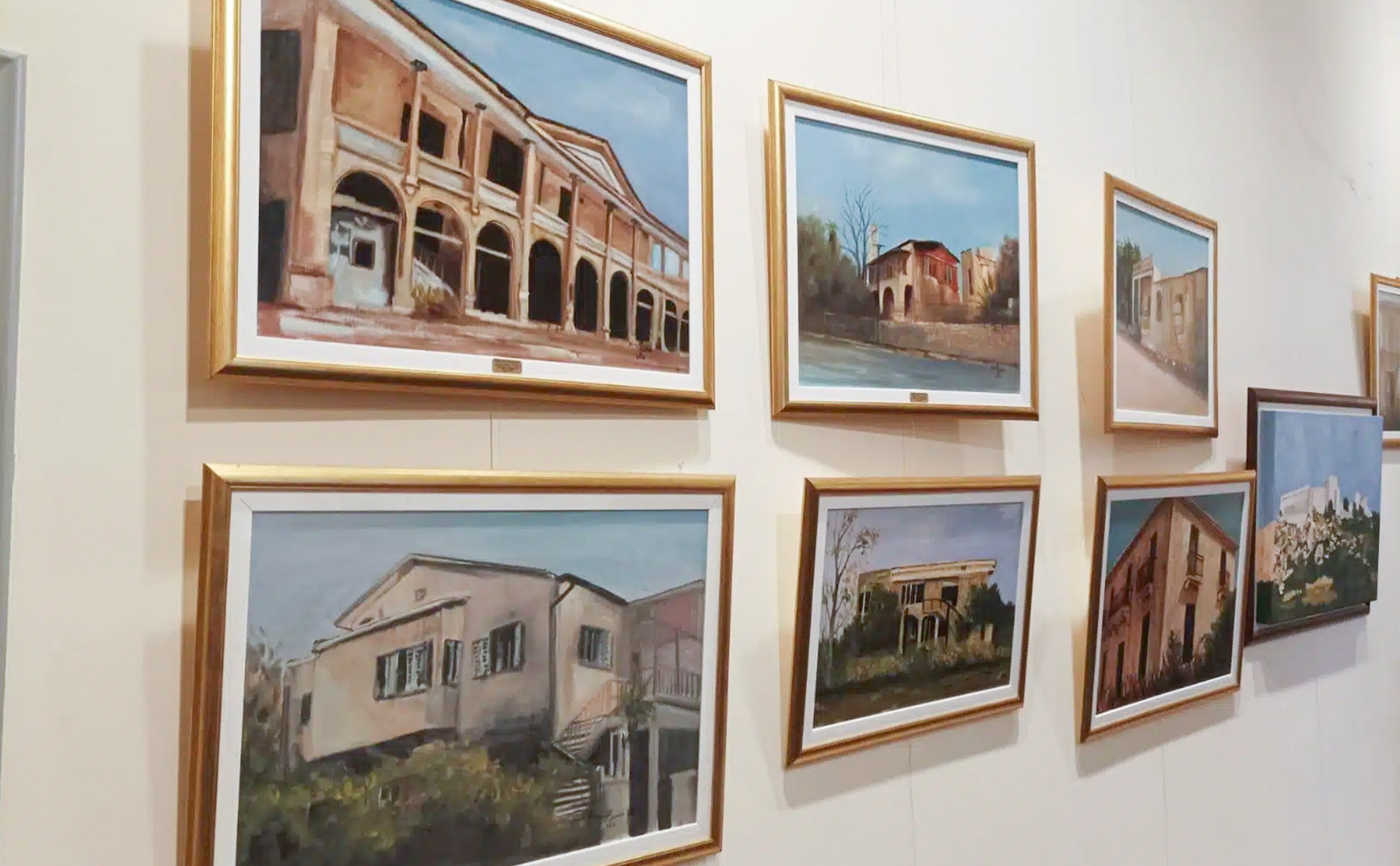
Inside the center, the audiovisual presentation runs approximately 10 to 15 minutes and is available in multiple languages. The film shows Famagusta during its golden age, contrasting the vibrant city with its current abandoned state. The photographic exhibition documents street scenes, businesses, homes, and public spaces from before 1974.
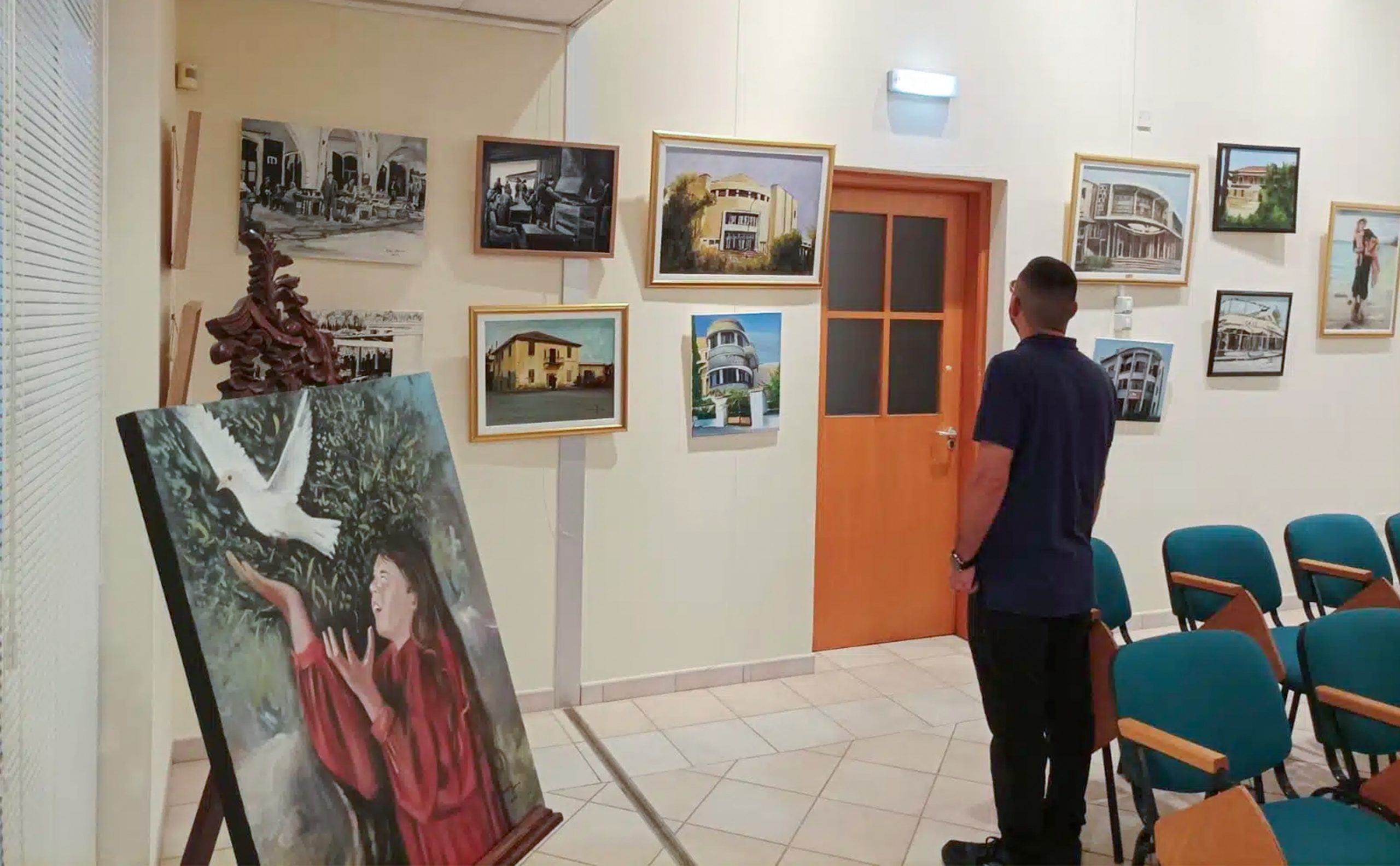
The center also functions as a venue for temporary art exhibitions, including photography, sculpture, and painting displays. A small amphitheater hosts cultural events during summer months. The facility’s multipurpose rooms accommodate seminars and conferences focused on the Cyprus problem and related historical topics.
Evidence of the Division
From the rooftop viewing platform, visitors can see shell craters in the field opposite the center, remnants from the 1974 fighting. United Nations observation posts dot the buffer zone, staffed by soldiers who monitor the area. Turkish military positions are visible on the northern side. The viewing area provides binoculars for a closer look at specific buildings in Varosha, including the famous Salaminia Tower Hotel, which was damaged during Turkish air raids.
The barbed wire demarcation zone runs approximately half a mile wide at this location. United Nations posts sit between Greek Cypriot and Turkish military positions, maintaining the ceasefire that has held since August 16, 1974. Despite the presence of peacekeepers, the area remains tense, and incidents involving verbal confrontations or thrown objects occur periodically.
Tragic Events at the Border
The border area near Deryneia witnessed violent confrontations in August 1996 when Greek Cypriot refugees organized a motorcyclist demonstration. Approximately 2,000 bikers from European countries participated in the march, which began in Berlin and aimed to reach Kyrenia in occupied Cyprus. The demonstration sought to highlight the 22nd anniversary of the island’s division and demand the withdrawal of Turkish troops.
During the demonstration on August 11, 1996, Tassos Isaac, a 24 year old Greek Cypriot refugee born in Famagusta, became entangled in barbed wire in the buffer zone. Members of the Turkish Grey Wolves militia group attacked him while Turkish Cypriot police officers failed to intervene and allegedly participated in the beating. Isaac died from his injuries. His wife was pregnant with their first child at the time.
Three days later, on August 14, 1996, Solomos Solomou, a 26 year old cousin of Isaac who had also been displaced from Famagusta as a two year old child, climbed a flagpole in the buffer zone during Isaac’s funeral procession. He attempted to remove a Turkish flag when Turkish soldiers shot and killed him. Both incidents were broadcast live on Greek and Cypriot television.
The Human Cost
The 1974 Turkish invasion resulted in more than 4,000 deaths and 1,619 people listed as missing. Approximately 162,000 to 200,000 Greek Cypriots became refugees, forced to abandon their homes and properties in the occupied territory. By the end of 1975, most Turkish Cypriots living in areas controlled by the Republic of Cyprus moved north, often under pressure from Turkish authorities.
The displacement created immediate chaos. In the first 15 months after the invasion, many refugee families moved four, five, or even six times before finding more permanent housing. Some lived in garages and sheds for up to four years. The Cypriot government provided emergency assistance, offering debt relief for farmers, loans to restart businesses, and employment in infrastructure projects. Within three years, unemployment among refugees decreased significantly, though the psychological and health impacts persisted for decades.
Visiting Famagusta Cultural Heritage
The Cultural Centre sits on the northern edge of Deryneia, easily accessible from the major tourist areas of Ayia Napa and Protaras, both approximately 12 kilometers away. Visitors can drive directly to the site, where parking is available near the entrance. The location is clearly marked and well known to locals who can provide directions.
Why This Place Matters Today
The Famagusta Cultural Heritage Museum preserves evidence of displacement, occupation, and the human cost of unresolved conflict. It stands at the physical frontier of Europe’s last divided capital region, offering tangible proof of how political violence can freeze a community in time. The rooftop view into Varosha provides a unique perspective on what happens when international law fails to produce meaningful results.
For Cyprus, the museum represents the ongoing struggle for justice and the return of occupied territories. For visitors, it offers insight into one of Europe’s forgotten conflicts, a division that has persisted while the world’s attention moved elsewhere. The center ensures that the story of Famagusta and its displaced population remains documented and visible, even as buildings in Varosha continue their slow collapse into ruins.